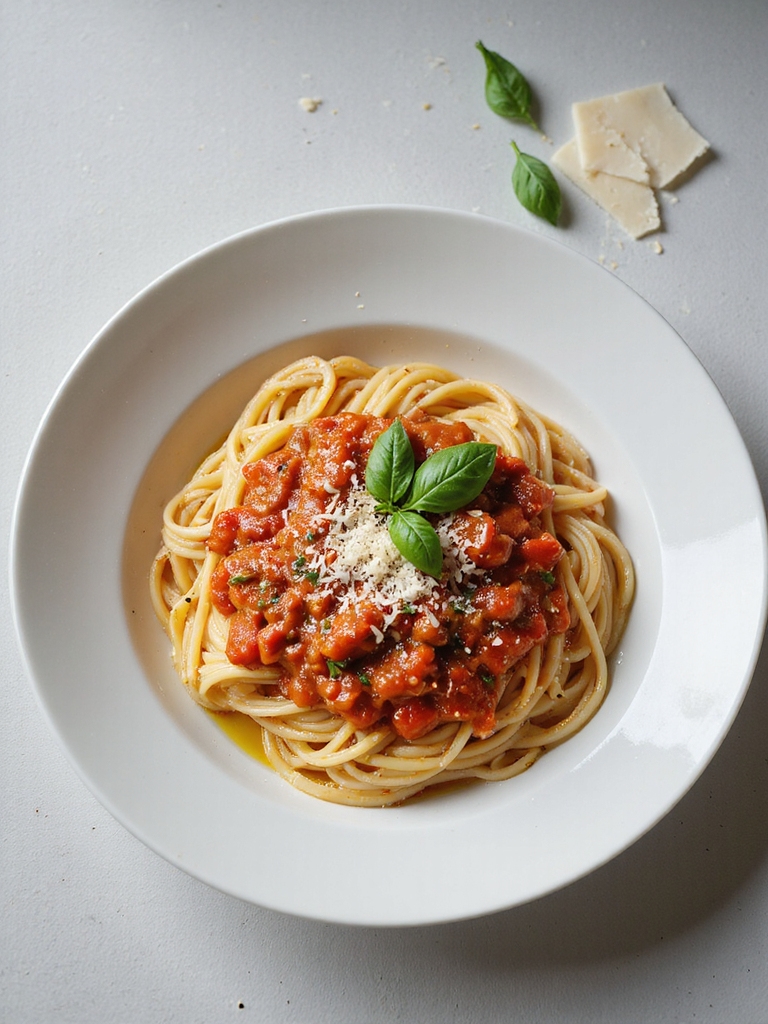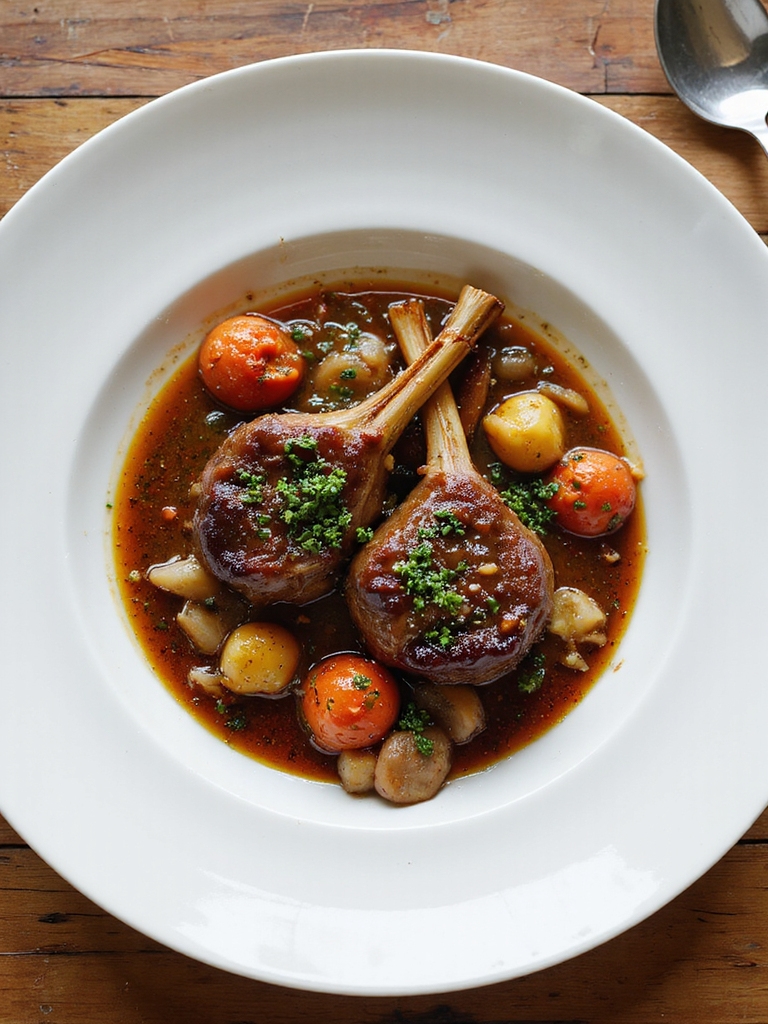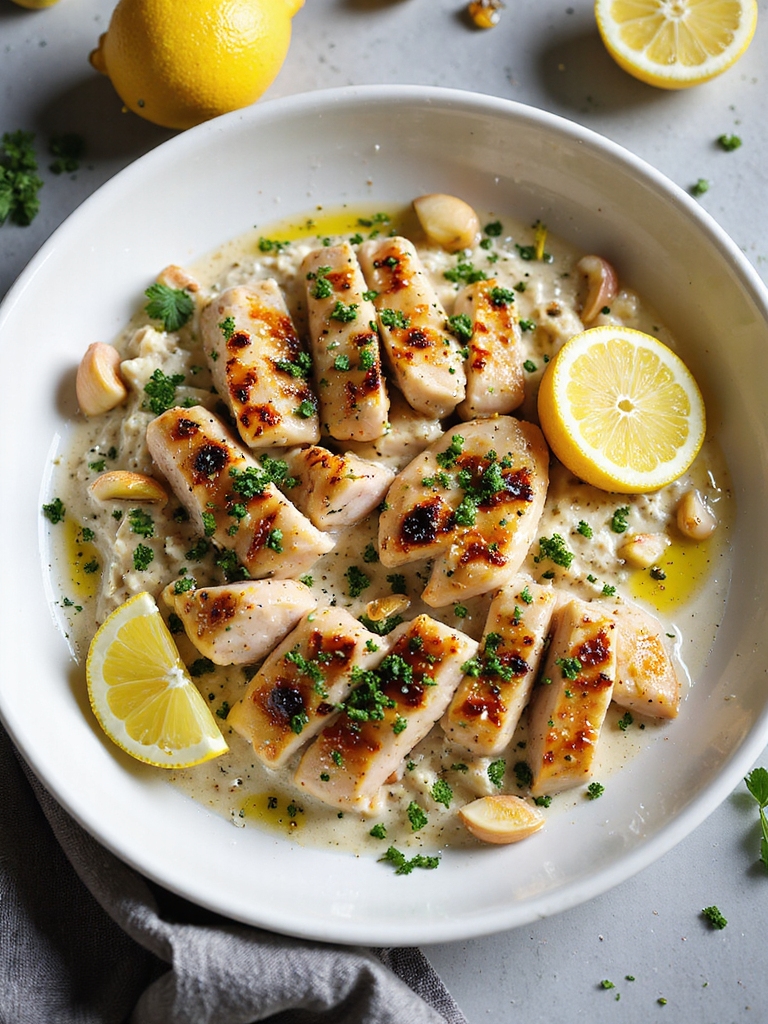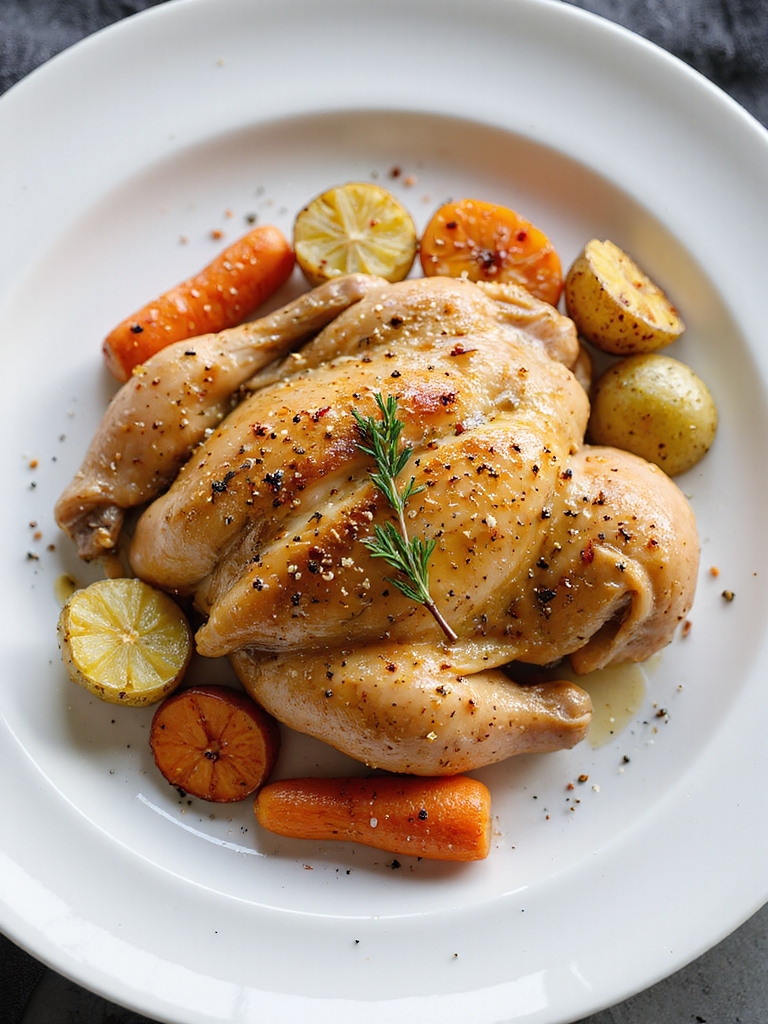

When I think about Asian dinner recipes, I’m immediately transported to a world of fresh ingredients, vibrant colors, and unforgettable flavors. Regardless of it’s the spicy punch of Szechuan chicken or the comforting warmth of Japanese ramen, each dish is a verification to the region’s rich culinary heritage.
The perfect blend of spices and cooking techniques creates a balance that’s both bold and harmonious. Let’s explore this delightful fusion that’s not just food—it’s an experience.
Szechuan Chicken: A Symphony of Spicy and Sweet
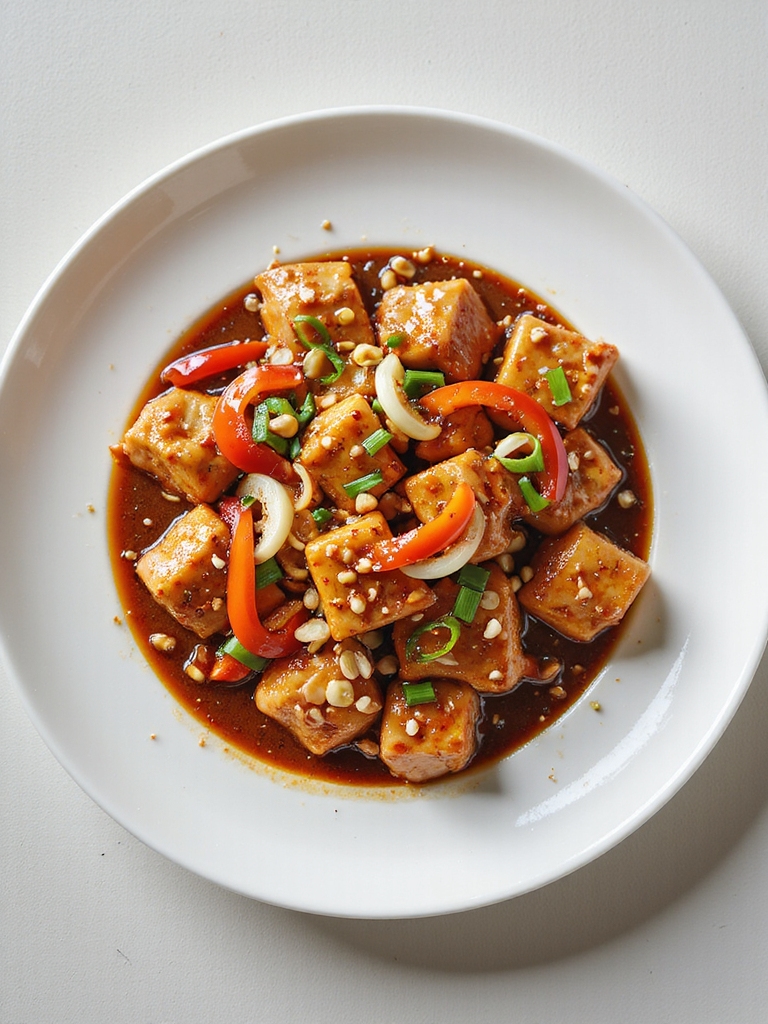
Szechuan Chicken is a cherished classic hailing from the Sichuan province of China, celebrated for its bold flavors combining fiery heat with a hint of sweetness. This dish features sautéed chicken pieces marinated and seared with a medley of traditional Szechuan peppercorns, chili bean paste, and vegetables that come together to create a tantalizing aromatic play on the palate.
- 1 lb boneless chicken breast, cut into cubes
- 1 tablespoon Szechuan peppercorns
- 2 tablespoons vegetable oil
- 2 tablespoons soy sauce
- 1 tablespoon rice vinegar
- 1 tablespoon sugar
- 3 tablespoons chili bean paste (Doubanjiang)
- 1 red bell pepper, sliced
- 1 onion, sliced
- 3 cloves garlic, minced
- 1 inch ginger, minced
- 3 scallions, chopped
Heat the vegetable oil in a pan and sauté Szechuan peppercorns until fragrant; then add garlic and ginger, stirring until aromatic. Introduce chicken cubes, chili bean paste, soy sauce, and sugar, cooking until the chicken is no longer pink. Add bell pepper, onion, and rice vinegar, stir-frying everything together until the vegetables are tender, then mix in scallions just before serving.
To enhance the spiciness, consider adding dried red chilies based on your heat preference. It’s advisable to toast the Szechuan peppercorns first to release their full flavor and reduce the numbing effect. Additionally, the inclusion of high protein meals in your diet can make a significant difference in your overall nutrition.
Thai Green Curry: A Fragrant Journey in Every Bite
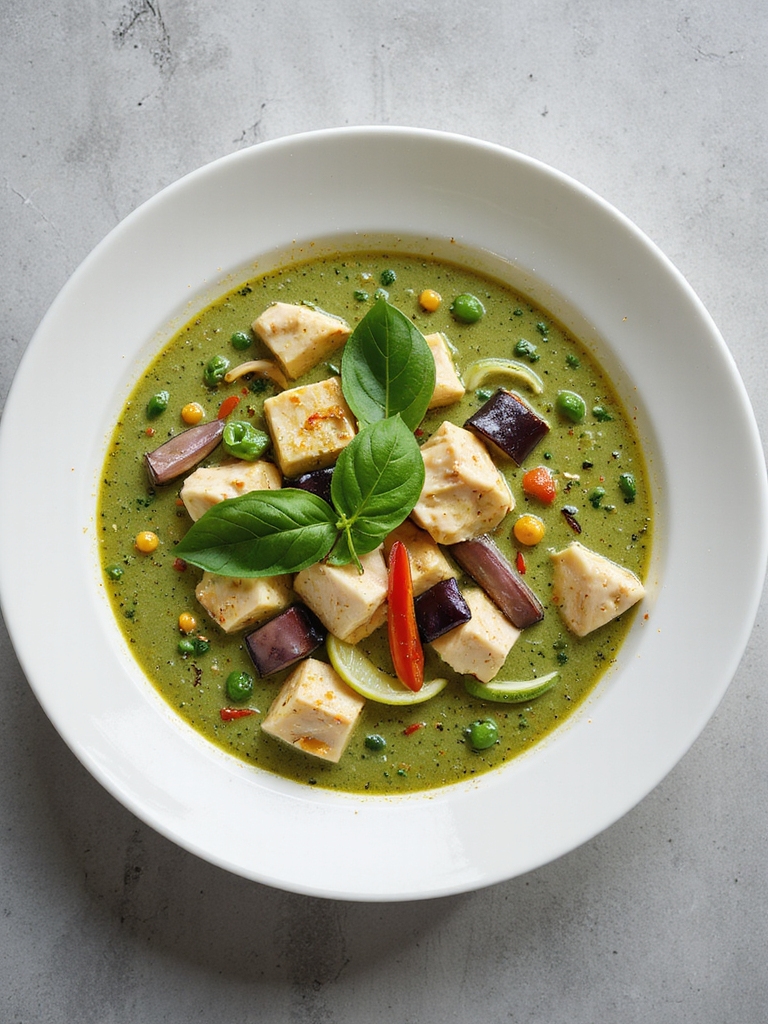
Thai Green Curry is a delightful dish that transports you to the aromatic kitchens of Thailand with just one bite. Known for its balance of spiciness and creaminess, this curry is made by simmering chicken with an enchanting blend of green curry paste, coconut milk, and a selection of fresh vegetables. Traditionally served with steamed jasmine rice, this curry creates a harmony of flavors—refreshing, spicy, and vigorously rich—that will have you coming back for more.
- 1 lb chicken breast, sliced
- 2 tablespoons green curry paste
- 1 can (14 oz) coconut milk
- 1 tablespoon fish sauce
- 1 tablespoon brown sugar
- 1 cup eggplant, chopped
- 1 red bell pepper, sliced
- 1 cup bamboo shoots
- 4 kaffir lime leaves
- 1/2 cup Thai basil leaves
- 1 tablespoon vegetable oil
In a large pan, heat vegetable oil and fry the green curry paste until aromatic. Add chicken and sauté for about 5 minutes, then pour in the coconut milk, fish sauce, and brown sugar, stirring until well combined. Incorporate eggplant, bell pepper, and bamboo shoots, simmer for 15 minutes, and finalize with kaffir lime leaves and basil before serving.
When cooking Thai Green Curry, allow the curry paste to cook sufficiently before adding the chicken to enhance its flavors. Use full-fat coconut milk to retain the creamy richness of the curry, providing the right consistency and taste.
Japanese Ramen: A Warm Bowl of Comfort and Flavor
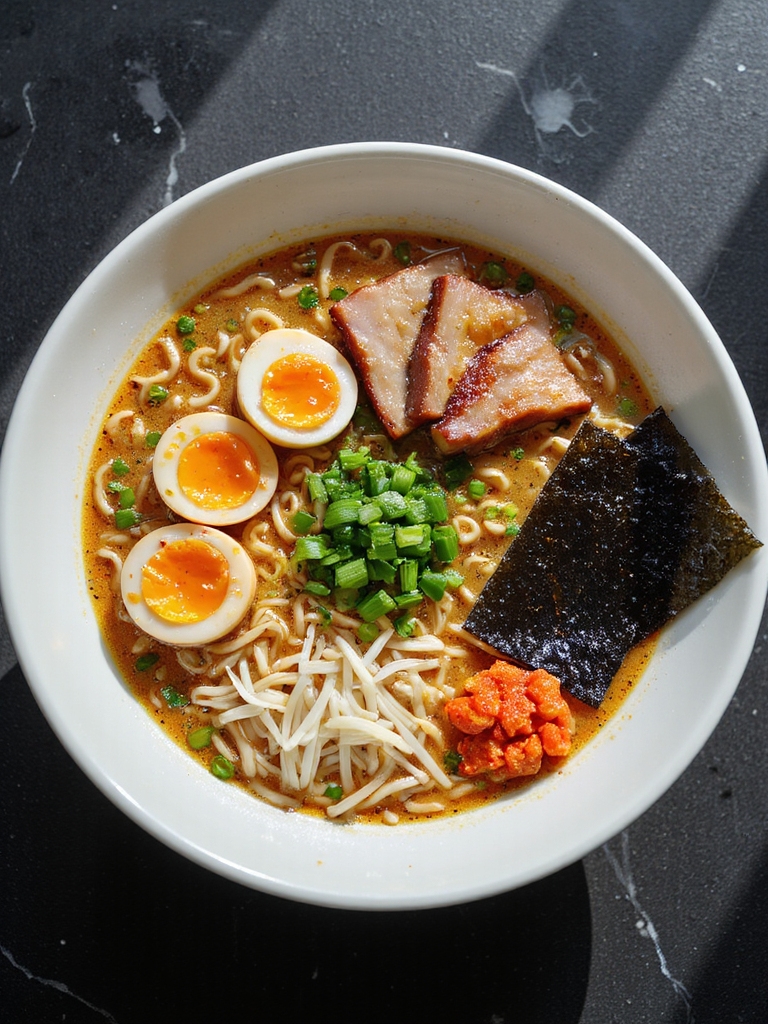
Nothing quite compares to the comforting warmth of Japanese Ramen, a soul-soothing dish revered for its deeply flavorful broth and an assortment of toppings that make each bowl an individualized masterpiece. This iconic noodle soup melds umami-rich stock with chewy ramen noodles, accompanied by tender slices of pork, marinated eggs, nori, and various fresh garnishes, creating a rich and satisfying meal. Ramen is not just food; it’s an experience, a warm hug, bringing together layers of flavors that can be tweaked to personal preference.
Ingredients:
- 4 cups chicken stock
- 2 tablespoons soy sauce
- 1 tablespoon miso paste
- 1 teaspoon sesame oil
- 1 package (8 oz) ramen noodles
- 4 slices pork belly
- 2 soft-boiled eggs
- 2 sheets nori (seaweed)
- 1 cup bean sprouts
- 2 green onions, sliced
- 1 tablespoon pickled ginger
To prepare Japanese Ramen, bring chicken stock to a boil, then stir in soy sauce, miso paste, and sesame oil, simmering for flavor. Cook ramen noodles separately, combining them with the broth, and top with pork belly, eggs, nori, bean sprouts, and green onions. Allow the warmth to envelop every ingredient, merging into a savory bowl that captures traditional Japanese essence.
To enhance your Ramen, prepare the broth a day ahead to deepen the flavors, and remember to marinate eggs overnight for the perfect umami punch. Always serve the ramen immediately after combining noodles and toppings to avoid sogginess, ensuring a delightful texture in each spoonful.
Korean Bibimbap: A Colorful Medley of Ingredients
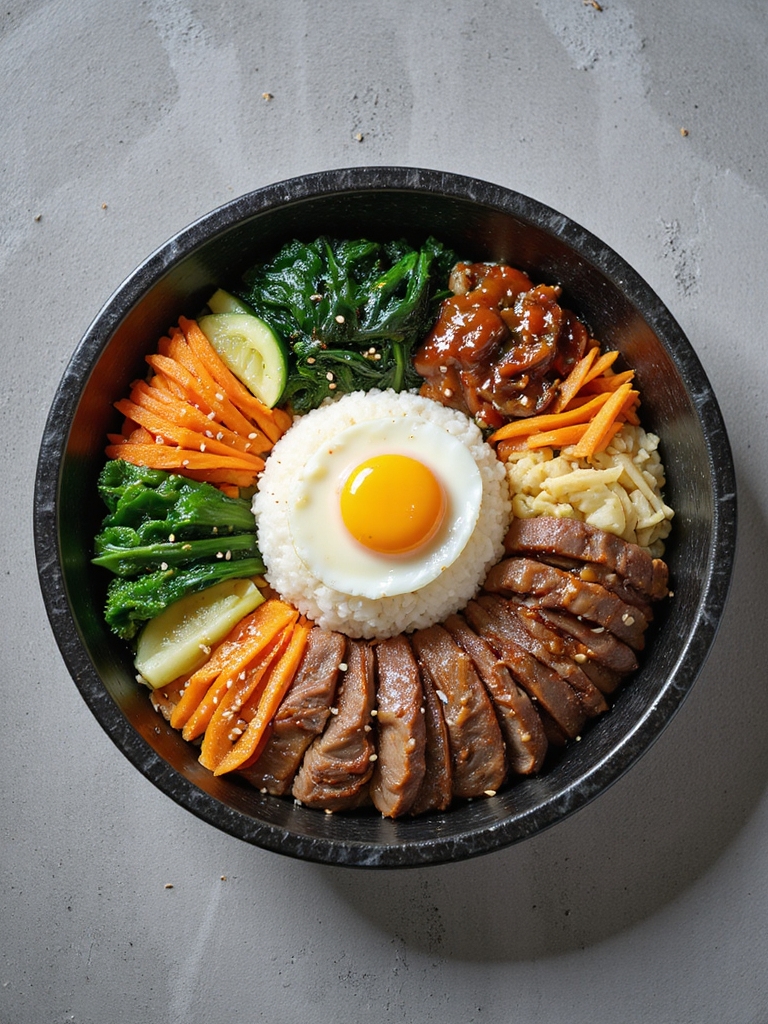
Korean Bibimbap is a vibrant dish that combines a delightful mix of textures and flavors, harmoniously uniting rice, seasoned vegetables, meat, and a luscious fried egg. Bibimbap, meaning “mixed rice,” is traditionally served in a hot stone bowl that crisps the rice, paired with a spicy-sweet gochujang sauce that elevates the entire dish. This hearty meal is as visually appealing as it is delicious, showcasing a colorful array of ingredients that can be customized according to preference while still delivering a hearty and satisfying culinary experience.
Ingredients:
- 2 cups cooked rice
- 1/2 pound beef (or chicken), thinly sliced
- 1 tablespoon soy sauce
- 1 tablespoon sesame oil
- 1 cup spinach
- 1 cup bean sprouts
- 1 carrot, julienned
- 1 zucchini, julienned
- 4 shiitake mushrooms, sliced
- 2 eggs
- 2 tablespoons gochujang (Korean chili paste)
- Salt and pepper to taste
To prepare Korean Bibimbap, cook spinach and bean sprouts briefly, season beef with soy sauce and sesame oil, and sauté individually the carrot, zucchini, and mushrooms. Arrange rice in bowls and top with the cooked ingredients and a fried egg each, then serve with gochujang for mixing. Make sure to distribute the ingredients evenly to create a balanced, delicious blend upon mixing.
For an authentic experience, consider using a dolsot (stone pot) to crisp the rice before adding toppings, and customize the vegetables or protein according to your taste while keeping the gochujang sauce on the side for flexibility in spice levels.
Vietnamese Pho: A Soul-Soothing Bowl of Happiness
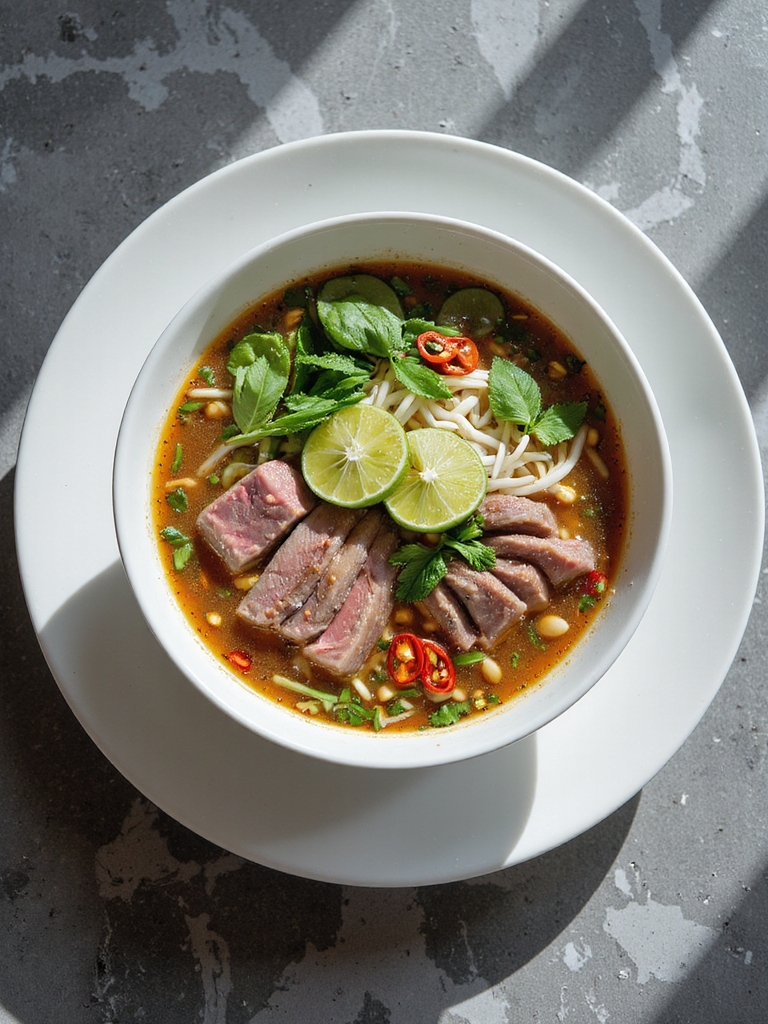
Vietnamese Pho is a classic and comforting noodle soup that has won the hearts of many worldwide. Known for its aromatic and flavorful broth, Pho typically contains rice noodles, tender slices of beef or chicken, and is garnished with fresh herbs. This dish is often seasoned with lime and served with bean sprouts, chilies, and additional herbs for customization to personal tastes. The key to a memorable Pho lies in the careful balancing of spices and the richness of the broth underscored by toppings that enhance its wholesome nature. One of the hallmarks of authentic Pho is the delicious broth that is simmered for hours, allowing the flavors to meld beautifully.
Ingredients:
- 1 pound beef bones (or chicken bones)
- 1 pound beef sirloin, thinly sliced
- 1 onion, halved
- 1 piece ginger, sliced
- 2 tablespoons fish sauce
- 1 tablespoon sugar
- 1 cinnamon stick
- 3 star anise
- 6 cloves
- 1 pound rice noodles
- Fresh basil, cilantro, and mint
- Bean sprouts
- 1 lime, cut into wedges
- Sliced chili peppers
- Salt and pepper to taste
In a pot, boil beef bones with onion, ginger, fish sauce, sugar, cinnamon, star anise, and cloves, simmering for 3 hours to mediate flavors; strain for clear broth. Prepare rice noodles as directed and assemble in bowls with beef slices, pouring hot broth to cook beef. Garnish with fresh basil, cilantro, mint, bean sprouts, chilies, and lime wedges, and serve hot with extra lime and fish sauce on the side.
To enhance the soup’s depth, char onions and ginger before adding them to the broth. Customize levels of acidity and spice by adjusting lime and chili amounts according to preference.
Chinese Dumplings: Little Pockets of Joy
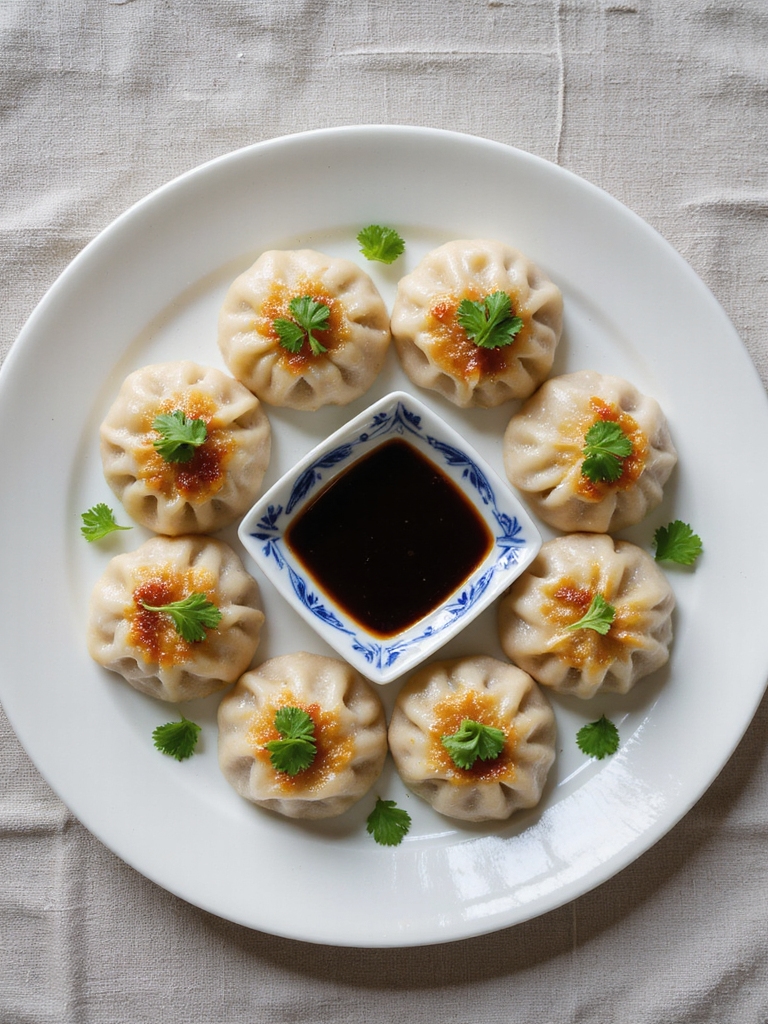
Chinese dumplings, or jiaozi, are delightful little pockets filled with a savory mixture of meat and vegetables, embodying a rich tradition in Chinese cuisine. These delicate parcels can be boiled, steamed, or pan-fried, offering a range of textures from soft and chewy to crisp and golden. Typically enjoyed as a main dish or appetizer, they make a satisfying meal with a dipping sauce of soy, vinegar, and ginger. Customizable with different fillings, they welcome creativity in combining ingredients that cater to various tastes and dietary needs.
Ingredients:
- 2 cups all-purpose flour
- 1/2 cup water
- 1/2 pound ground pork
- 1/4 cup finely chopped napa cabbage
- 2 tablespoons soy sauce
- 1 tablespoon sesame oil
- 1 teaspoon grated ginger
- 2 cloves garlic, minced
- Salt and pepper to taste
Mix flour and water to form dough, kneading until smooth; rest for 30 minutes. Combine pork, cabbage, soy sauce, sesame oil, ginger, garlic, salt, and pepper for filling. Roll dough, cut into rounds, fill with mixture, and seal. Cook by boiling until dumplings float; alternatively, steam until tender or pan-fry until crispy and golden on one side, then add water and cover to steam through.
For best results, allow your dough to rest to achieve an elastic texture, making it easier to handle and shape. Chilling the filling slightly can firm it up, making it easier to scoop and ensuring even distribution in the dumplings.
Indonesian Nasi Goreng: A Spicy, Savory Delight
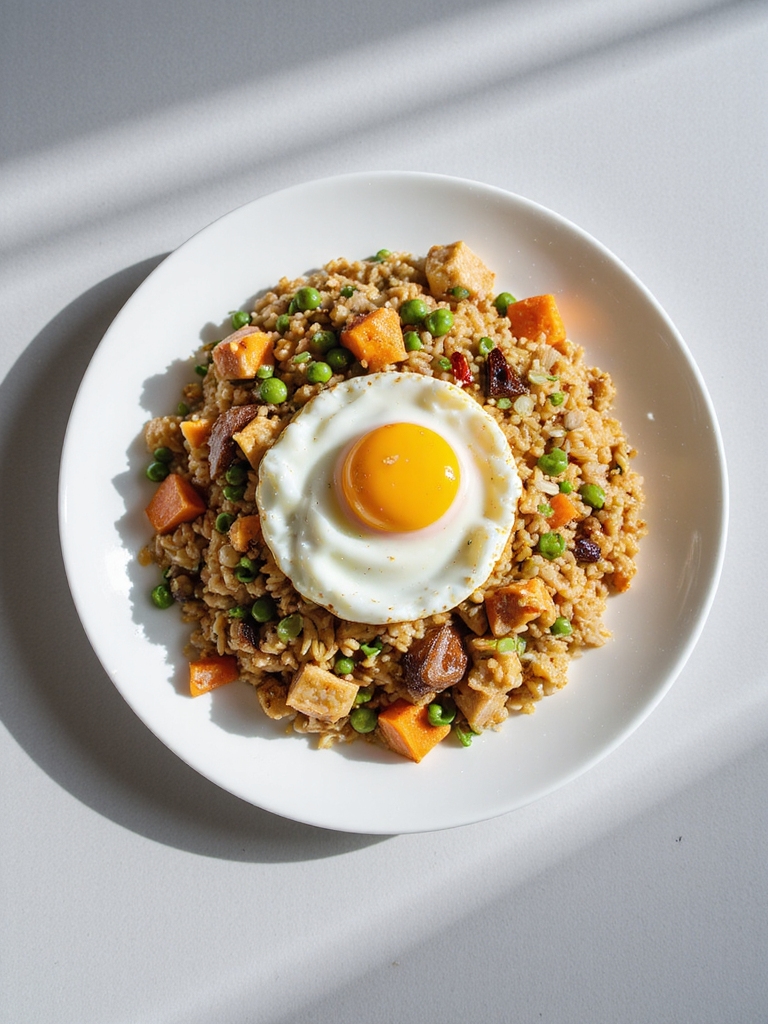
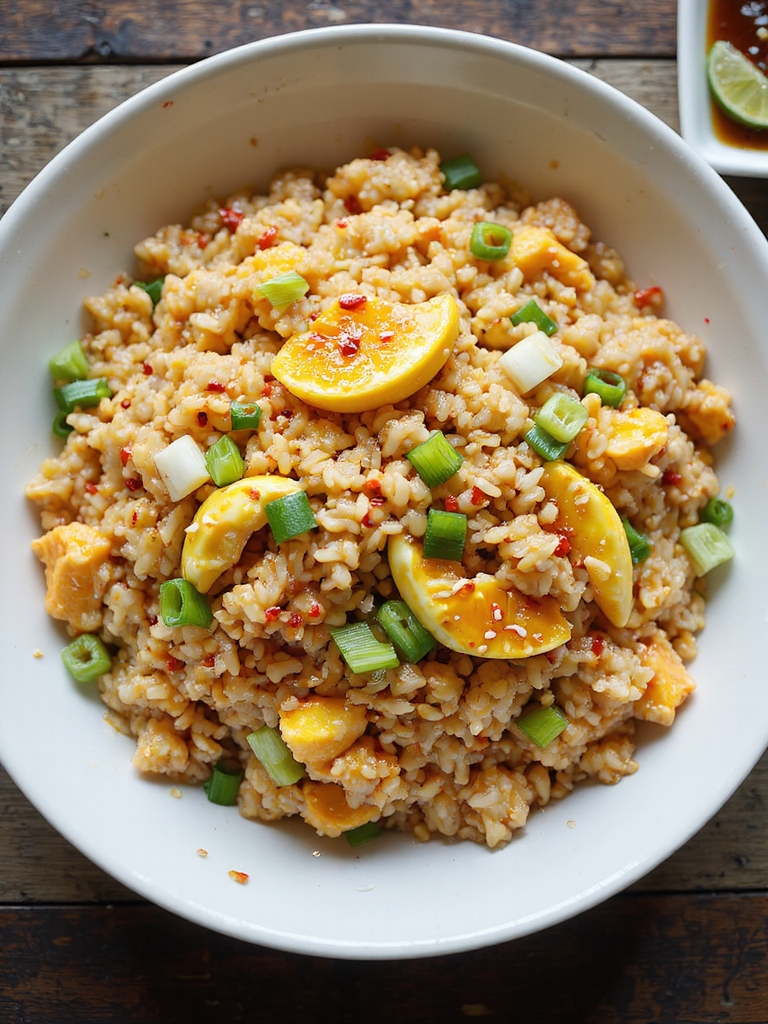
Nasi Goreng, an Indonesian classic, is a flavorful fried rice dish, often served with a hint of spiciness and a touch of sweetness. This versatile recipe utilizes leftover rice and a blend of aromatic ingredients to achieve its distinctive taste, often crowned with a fried egg. The dish incorporates sambal oelek, a chili paste that provides heat, and kecap manis, a sweet soy sauce, which adds depth. Perfect as a standalone meal or paired with satay skewers, Nasi Goreng captures the essence of Indonesian cuisine with its bold and vibrant flavors. Ground pork can also be added for a delicious protein boost.
Ingredients:
- 3 cups cooked jasmine rice, chilled
- 2 tablespoons oil
- 2 cloves garlic, minced
- 1 onion, chopped
- 1 red chili, thinly sliced
- 1 tablespoon sambal oelek
- 2 tablespoons kecap manis
- 2 eggs
- 1 cup mixed vegetables (such as peas, carrots)
- Salt to taste
Heat oil in a wok over medium heat, add garlic, onion, and chili, and sauté until fragrant. Add sambal oelek and stir-fry; incorporate cooked rice, stir in kecap manis, mixed vegetables, and season with salt. Push rice aside, scramble eggs in the same pan until cooked, integrate into the rice, and serve topped with extra sambal if desired.
For best results, use day-old rice for a non-sticky texture in Nasi Goreng. Adjust sambal to your spice preference and allow flavors to meld during cooking for an authentic, balanced taste.
Malaysian Laksa: A Rich and Spicy Coconut Noodle Soup
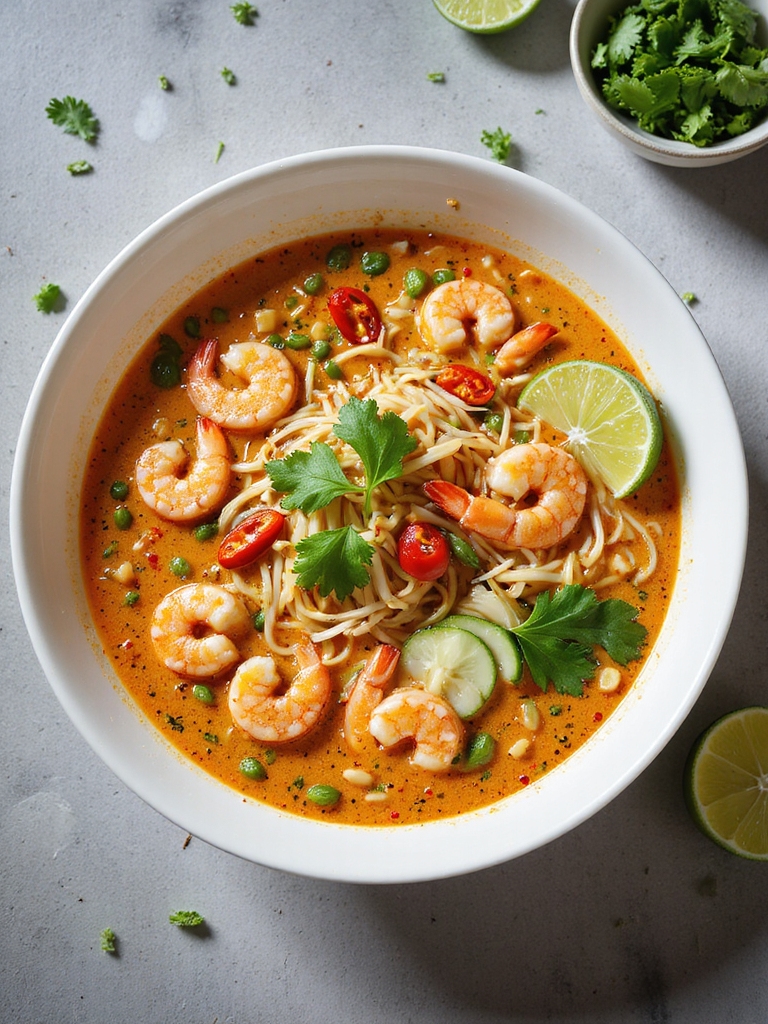
Malaysian Laksa is a delectable coconut noodle soup combining rich, spicy flavors with aromatic herbs. Known for its creamy soup base, the dish harmonizes sweet and spicy elements, with the coconut milk creating a luscious texture whilst the shrimp paste and chili provide depth and heat. Fresh seafood or chicken often accompany the noodles, and the vibrant garnishes such as cilantro and lime bring bursts of freshness. Malaysian Laksa is a culinary adventure, offering a complex and invigorating experience that captures the essence of Southeast Asian cuisine. This dish perfectly embodies the clean eating principles by using fresh, whole ingredients.
Ingredients:
- 1 tablespoon oil
- 1 onion, chopped
- 2 cloves garlic, minced
- 1 tablespoon ginger, grated
- 2 tablespoons red curry paste
- 4 cups chicken or vegetable broth
- 1 cup coconut milk
- 200g rice noodles
- 200g cooked shrimp or chicken
- 2 tablespoons fish sauce
- 2 teaspoons sugar
- Lime wedges for serving
- Fresh cilantro for garnish
Heat oil in a pot over medium heat and sauté onion, garlic, and ginger until aromatic. Stir in red curry paste and cook until fragrant before adding broth and coconut milk. Simmer, add noodles, shrimp or chicken, fish sauce, and sugar; cook until noodles are tender and protein is heated through, serve with lime wedges and cilantro.
For a richer flavor, allow the soup to simmer longer so that the spices infuse deeply into the broth. Depending on your spice tolerance, adjust the amount of red curry paste accordingly to achieve the perfect balance of flavor.
Indian Butter Chicken: Creamy, Spiced, and Alluring
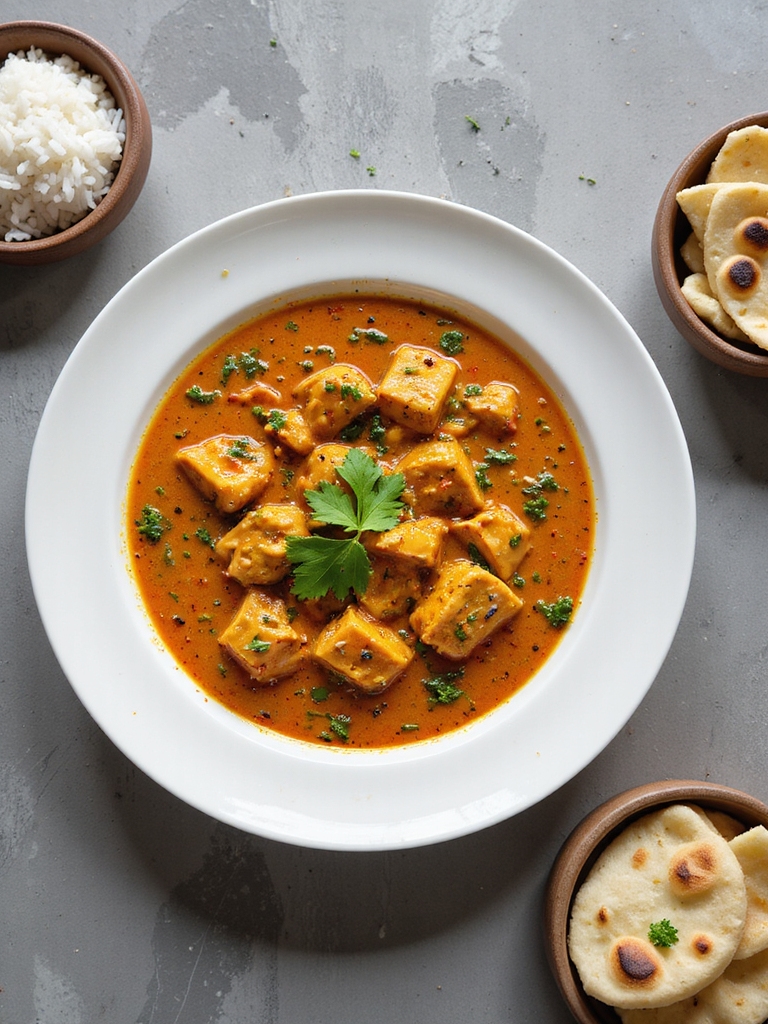
Indian Butter Chicken is a sumptuous curry dish that is both creamy and full of aromatic spices. Originating from Punjabi cuisine, this classic recipe features tender pieces of chicken marinated in a blend of spices, then simmered in a rich tomato-based sauce laden with butter and cream. The result is a lavish dish with a perfect spice balance and a luscious, velvety texture. Best served with warm naan or steamed basmati rice, Indian Butter Chicken is sure to be a favorite at any dinner table.
- Chicken breasts, 500g, cut into cubes
- 1 cup plain yogurt
- 1 tablespoon lemon juice
- 2 teaspoons turmeric powder
- 2 teaspoons garam masala
- 2 teaspoons ground cumin
- 200g butter
- 1 onion, finely chopped
- 3 cloves garlic, minced
- 1 tablespoon ginger, grated
- 400g canned tomato puree
- 1 cup heavy cream
- Salt, to taste
- Fresh coriander for garnish
Marinate the chicken in yogurt, lemon juice, turmeric, garam masala, and cumin for at least 30 minutes. Sauté butter, onion, garlic, and ginger in a pan until onions soften, then add tomato puree and cream. Incorporate marinated chicken, cooking until tender, then simmer for a few more minutes and garnish with fresh coriander before serving.
For enhanced flavor, marinate the chicken overnight to allow the spices to infuse thoroughly. Adjust the cream quantity based on the desired level of richness, and use freshly ground spices for the most authentic taste.
Filipino Adobo: A Balanced Blend of Vinegar and Soy
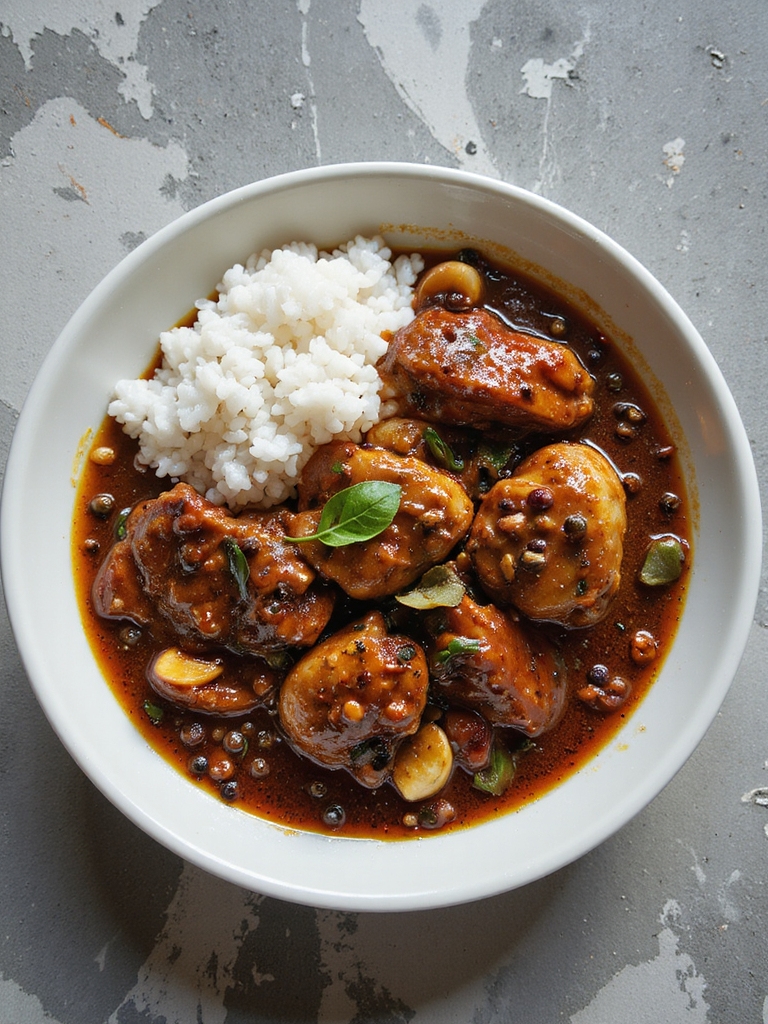
Filipino Adobo is a beloved national dish that masterfully balances a blend of vinegar and soy sauce, producing a savory and tangy flavor profile. This dish typically features chicken or pork simmered with garlic, bay leaves, and black peppercorns, resulting in tender meat that is both flavorful and aromatic. Adobo is known for its simplicity; it requires minimal ingredients but delivers a rich and satisfying experience. Best enjoyed over a steaming bowl of white rice, Filipino Adobo is a one-pot wonder that promises comfort in every bite. Additionally, it’s often regarded as a comfort food staple that brings families together during gatherings.
- 1 kg chicken thighs or pork belly, cut into pieces
- 1/2 cup soy sauce
- 1/2 cup vinegar
- 6 cloves garlic, minced
- 2 bay leaves
- 1 teaspoon black peppercorns
- 1 tablespoon vegetable oil
- 1 cup water
- Salt, to taste
- Cooked white rice, for serving
Heat the oil in a large pot, then cook garlic until fragrant. Add the meat and sear until browned on both sides. Pour in soy sauce, vinegar, bay leaves, peppercorns, and water, then simmer until the meat is tender and the sauce has thickened, stirring occasionally.
Allow the adobo to sit for a few hours before serving to enhance its flavors, or even better, refrigerate overnight and reheat. Adjust the vinegar and soy sauce ratio to suit your taste preference for a perfect balance.
Burmese Tea Leaf Salad: A Textural Explosion
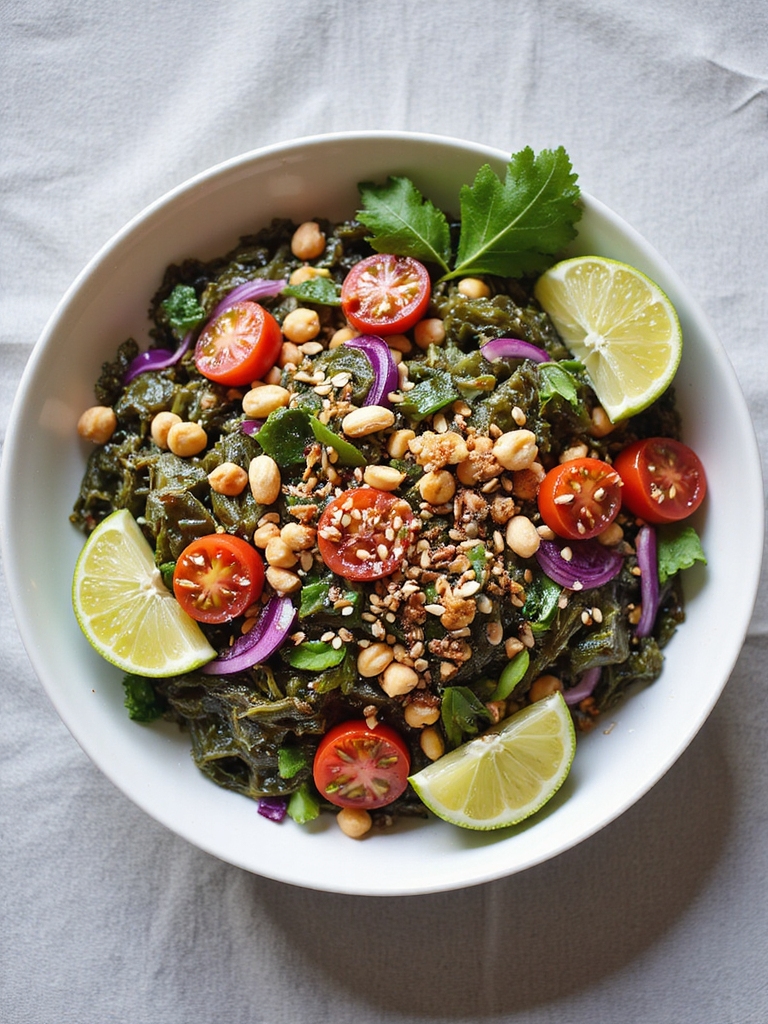
Burmese Tea Leaf Salad, also known as “Lahpet Thoke,” is a vibrant and revitalizing dish that combines flavors and textures intricately. Its star ingredient is fermented tea leaves, which bring an earthy, slightly bitter depth. Complemented by the crunch of crispy fried peas, shredded cabbage, tomatoes, nuts, and seeds, this salad is a harmonious medley of tastes and textures, crowned with a zingy squeeze of lime. Perfect as an appetizer or a light main dish, the salad offers an unforgettable gastronomic experience reflective of Burmese cuisine’s ingenuity.
- 1/2 cup fermented tea leaves
- 1 cup shredded cabbage
- 1/2 cup cherry tomatoes, halved
- 1/4 cup roasted peanuts
- 1/4 cup fried yellow split peas
- 2 tablespoons sesame seeds
- 1/4 cup sliced onions
- 1 lime, cut into wedges
- 2 tablespoons peanut oil
- Salt, to taste
To assemble the Burmese Tea Leaf Salad, begin by arranging the tea leaves, cabbage, tomatoes, peanuts, split peas, sesame seeds, and onions on a platter. Drizzle with peanut oil and gently toss to combine. Finish by seasoning with salt and a squeeze of lime juice just before serving to retain the salad’s crunch.
For the best results, use high-quality fermented tea leaves, traditionally available in specialty Asian markets, as they greatly impact the salad’s authenticity and taste. Allow the salad to sit for a few minutes before serving so the flavors meld effectively, providing the unique crunch in every mouthful.
Singaporean Hainanese Chicken Rice: Subtle Yet Satisfying
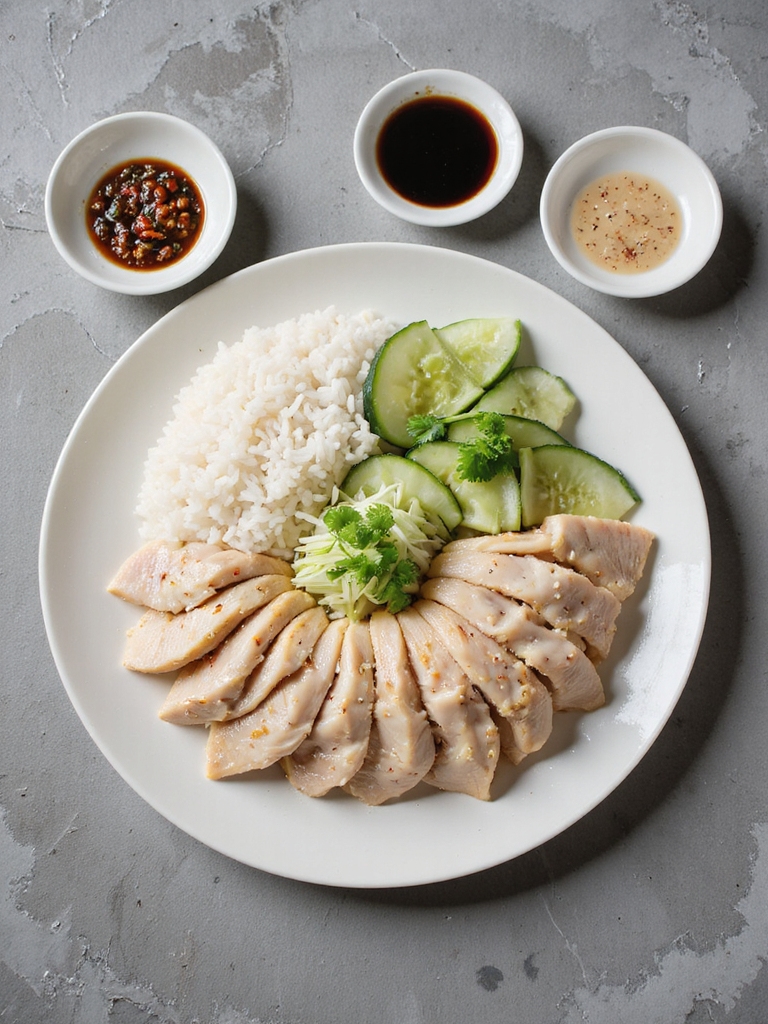
Hainanese Chicken Rice is a quintessential Singaporean dish that embodies simplicity and elegance, delivering subtle yet satisfying flavors. The dish features tender poached chicken served with fragrant rice cooked in chicken broth, accompanied by a trio of sauces: ginger, chili, and soy. It’s cherished for its harmonious balance and is a beloved comfort food in Singaporean households. Air frying the chicken can provide a crispy texture while maintaining the dish’s traditional flavors.
- 1 whole chicken (about 3-4 lbs)
- 4 cups chicken broth
- 2 cups jasmine rice
- 4 slices ginger
- 4 cloves garlic, minced
- 2 tablespoons sesame oil
- 4 green onions, trimmed
- Salt to taste
- Cucumber slices, for garnish
To prepare the dish, immerse the whole chicken in simmering chicken broth with ginger, green onions, and a pinch of salt for approximately 45 minutes. While the chicken cooks, toast jasmine rice with garlic and sesame oil, then add chicken broth to the pan to cook rice until fluffy. Once the chicken is done, slice and serve it over the rice garnished with cucumber slices alongside ginger, chili, and soy sauces.
To guarantee tender and flavorful chicken, use a meat thermometer to check it’s done when it reaches an internal temperature of 165°F. Letting the chicken rest after cooking will retain its juices, and using the poaching broth to cook the rice enhances the dish’s savory depth.
Mongolian Beef: A Quick and Flavorful Stir-Fry
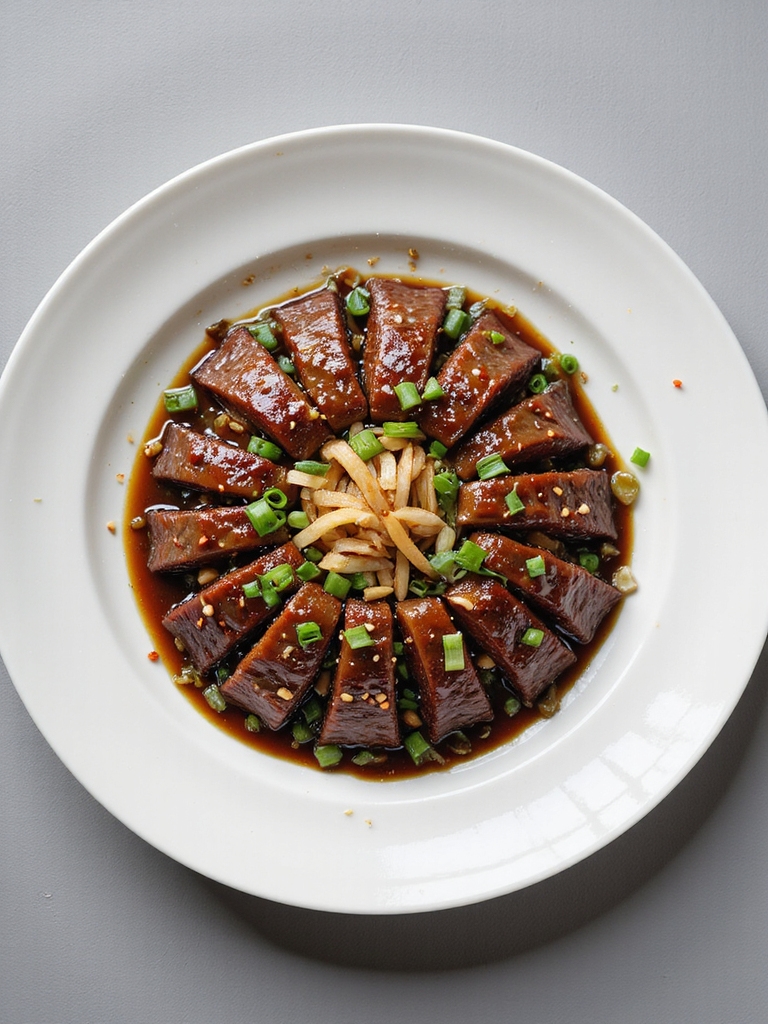
Mongolian Beef is a quick and flavorful stir-fry that’s perfect for a busy weeknight dinner. Originating from America, not Mongolia, this dish features tender slices of beef coated in a savory, sweet, and slightly spicy sauce, paired with the delightful crunch of green onions. The rich combination of ginger and garlic-infused flavors makes it a delectable choice.
- 1 lb flank steak, thinly sliced
- 1/4 cup cornstarch
- 3 tablespoons vegetable oil
- 4 cloves garlic, minced
- 1-inch ginger, grated
- 1/2 cup soy sauce
- 1/2 cup water
- 1/2 cup brown sugar
- 5 green onions, cut into 1-inch pieces
- 1 teaspoon chili flakes (optional)
Coat the sliced beef in cornstarch and set aside. Heat oil in a pan, sauté garlic and ginger until fragrant, then stir in soy sauce, water, and brown sugar until melted. Add the beef slices and cook until just done; toss with green onions and serve immediately.
For extra tenderness, slice the flank steak against the grain, and marinate it with cornstarch for at least 15 minutes. Adjust the chili flakes according to your spice preference to achieve the desired heat level.
Thai Tom Yum Soup: A Spicy and Sour Sensation
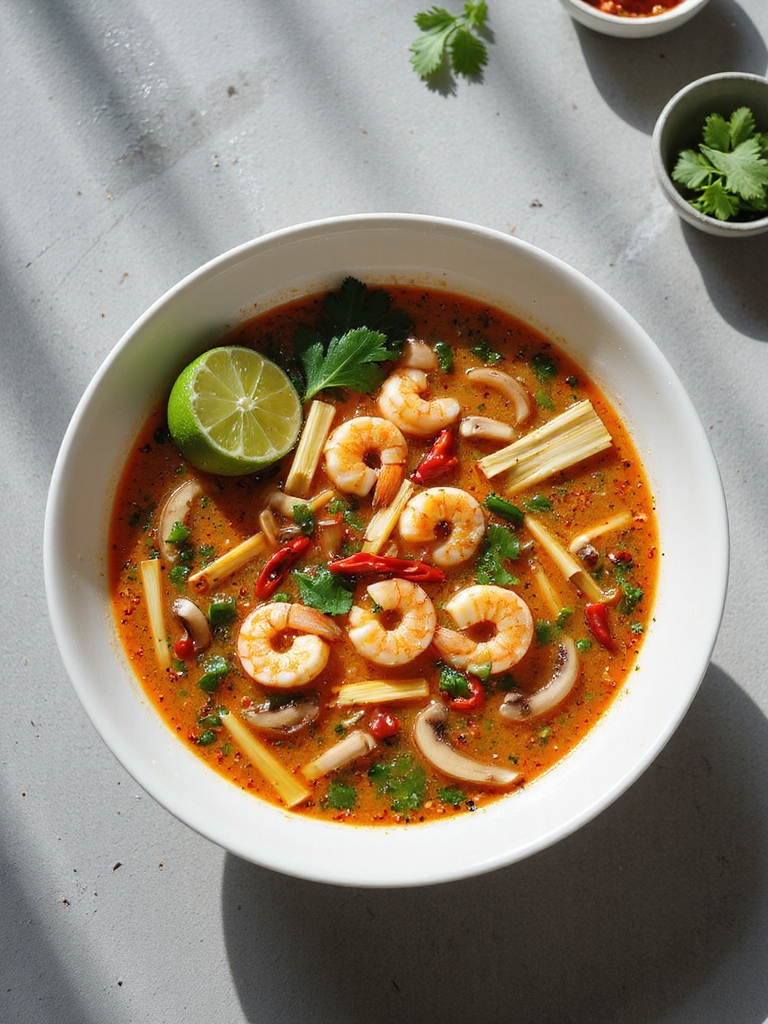
Thai Tom Yum Soup, a classic dish from Thailand, is famous for its bold and vibrant flavors, blending spicy, sour, and savory notes into a delightful harmony. This invigorating soup features an aromatic broth made from lemongrass, lime leaves, and galangal, highlighted by succulent shrimp and mushrooms. The unmistakable kick from chili paste and the tang from lime juice create a sensational experience perfect for those who enjoy a culinary adventure.
- 1 liter chicken or vegetable broth
- 2 stalks lemongrass, cut into 1-inch pieces
- 6 kaffir lime leaves, torn
- 1-inch galangal, sliced
- 3 tablespoons fish sauce
- 2 tablespoons lime juice
- 2 tablespoons Thai chili paste (Nam Prik Pao)
- 1/2 pound shrimp, peeled and deveined
- 1 cup mushrooms, sliced
- 2-3 Thai chilies, sliced
- 1/4 cup fresh cilantro, chopped
- Lime wedges for serving
Bring the broth to a boil; add lemongrass, lime leaves, and galangal, simmering for 5 minutes to infuse flavors. Stir in the fish sauce, lime juice, and chili paste, then add shrimp and mushrooms, cooking until shrimp turn pink. Garnish with Thai chilies, cilantro, and serve hot with lime wedges on the side for an added zesty touch.
To intensify the tangy notes, adjust the lime juice to suit your taste preference and consider adding lime zest for an extra citrus burst. For convenience, galangal might be substituted with ginger if unavailable, although this alters the authentic flavor slightly.
Japanese Sushi: Precision and Freshness on a Plate
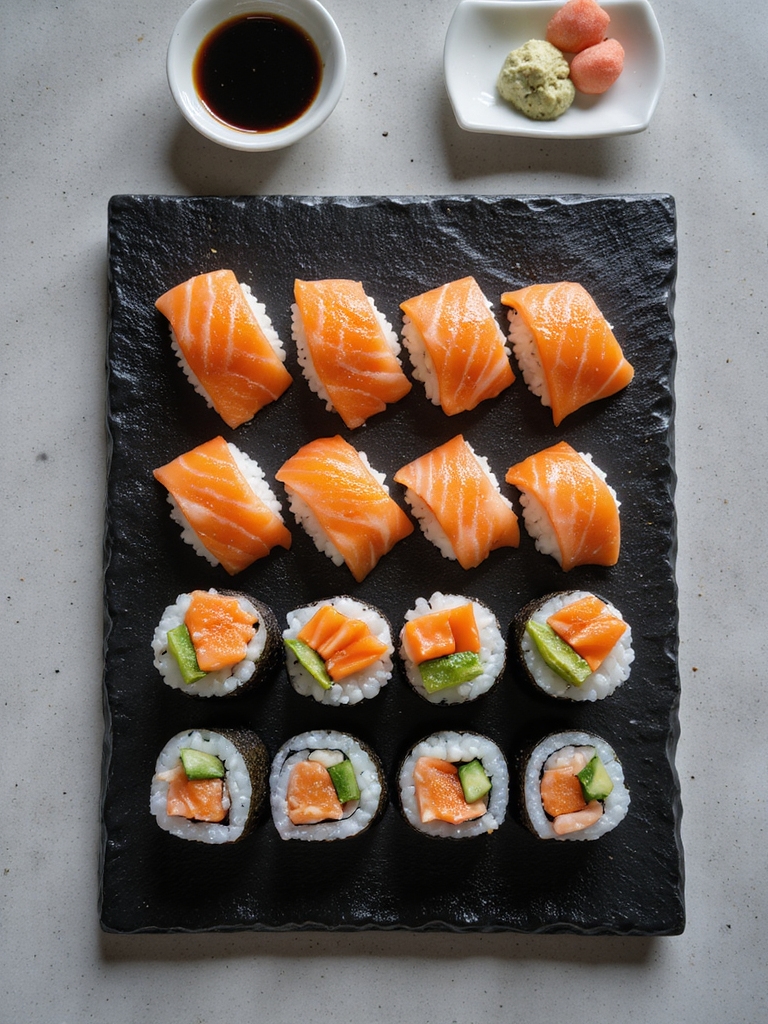
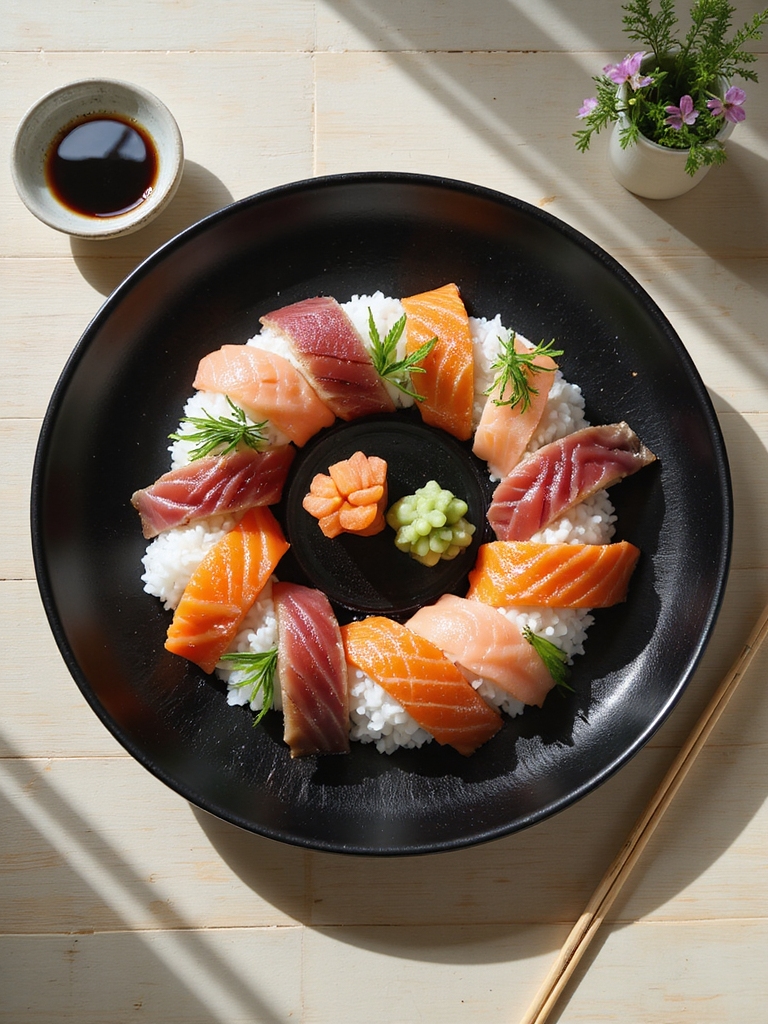
Sushi, a celebrated component of Japanese cuisine, is the epitome of precision and freshness. With its origins dating back centuries, this iconic dish artfully combines vinegared rice and an array of fresh ingredients, showcasing the subtle interplay of flavors and textures. Sushi varieties range from nigiri, featuring fish draped over rice, to rolls packed with fish, vegetables, or seafood in nori sheets. Mastering sushi requires attention to detail, from perfectly cooked rice to selecting the freshest fish.
- 2 cups sushi rice
- 2 1/2 cups water
- 1/3 cup rice vinegar
- 3 tablespoons sugar
- 1 teaspoon salt
- 1/2 pound sashimi-grade fish (e.g., tuna or salmon)
- Nori sheets
- Soy sauce for serving
- Wasabi and ginger for garnish
Rinse the sushi rice until the water runs clear, then cook it in water according to package instructions. Combine vinegar, sugar, and salt in a saucepan, heating until dissolved, then fold into cooked rice, letting it cool to room temperature. Slice fish thinly, preparing desired roll fillings; assemble sushi on a bamboo mat, rolling tightly, and slicing with a sharp knife; serve with soy sauce, wasabi, and ginger.
Ensure your knife is razor-sharp for precise cutting and dip it in water between cuts to prevent sticking. Keep the rice covered with a damp cloth to maintain its perfect moisture level and avoid it drying out during preparation.