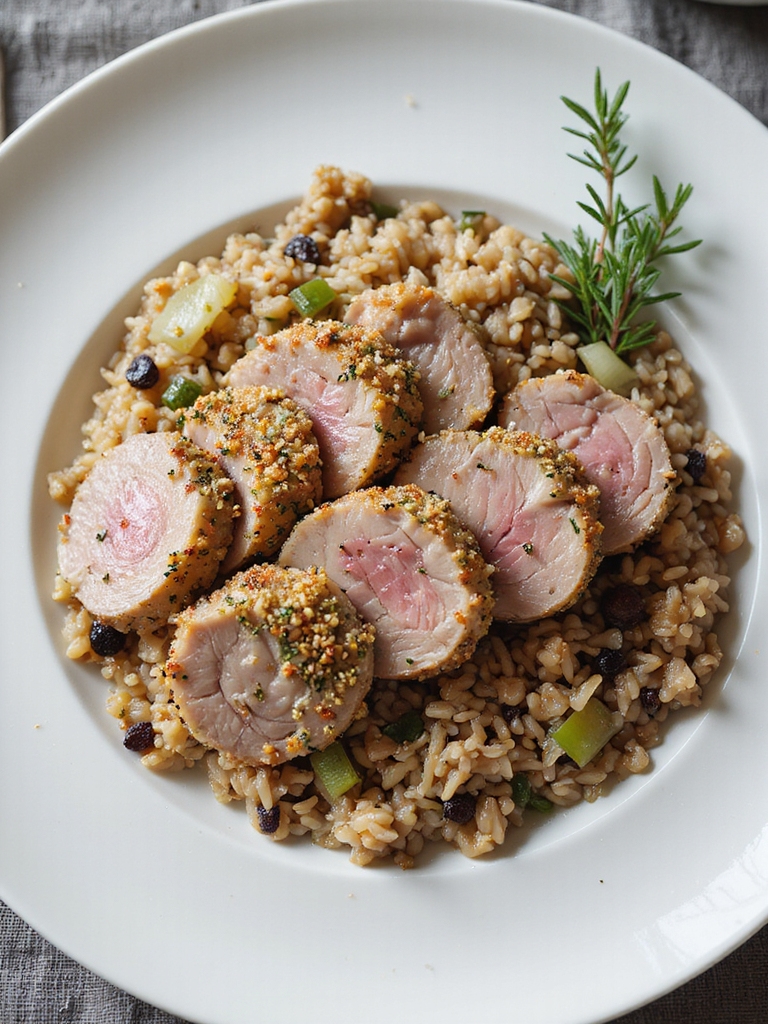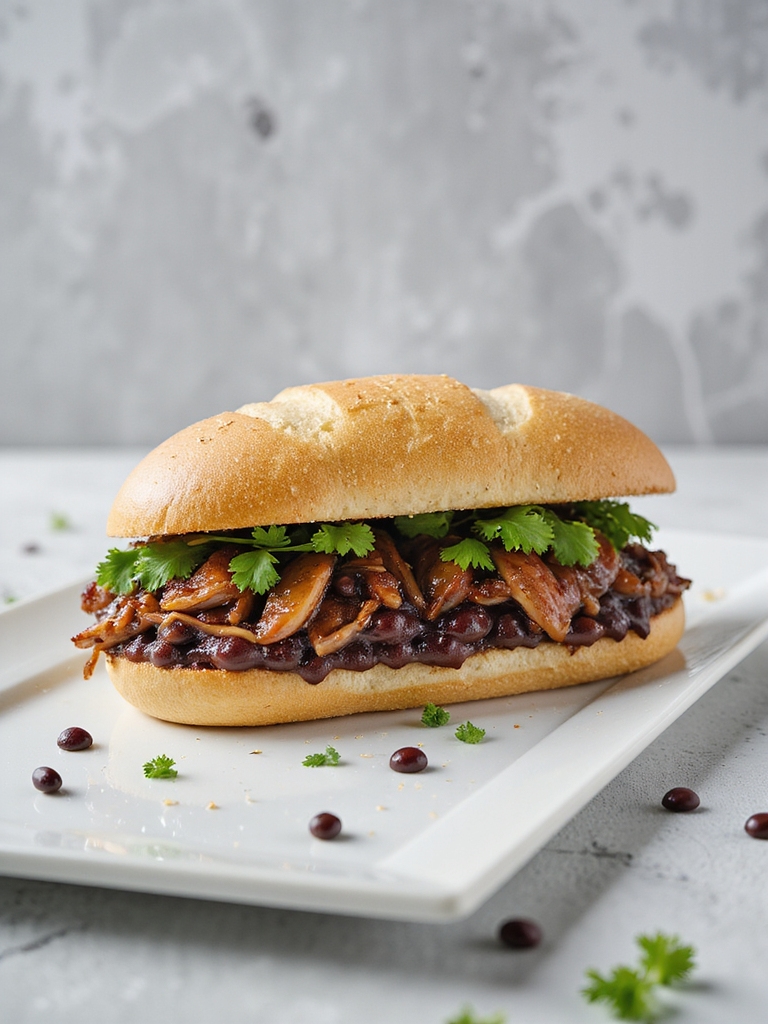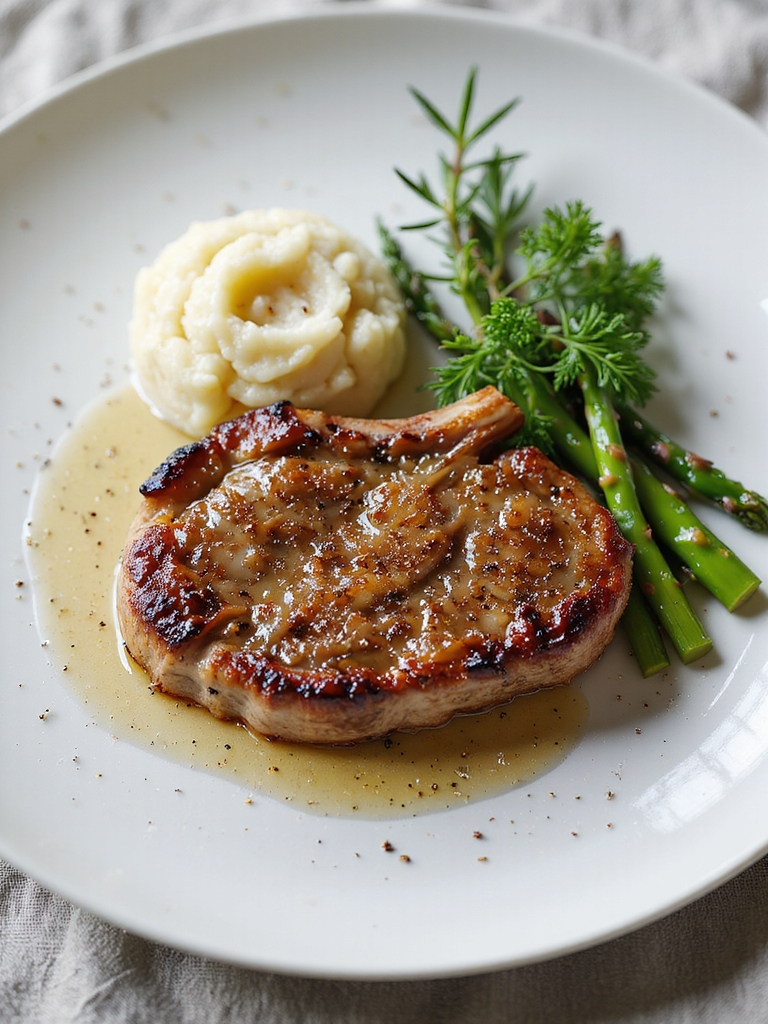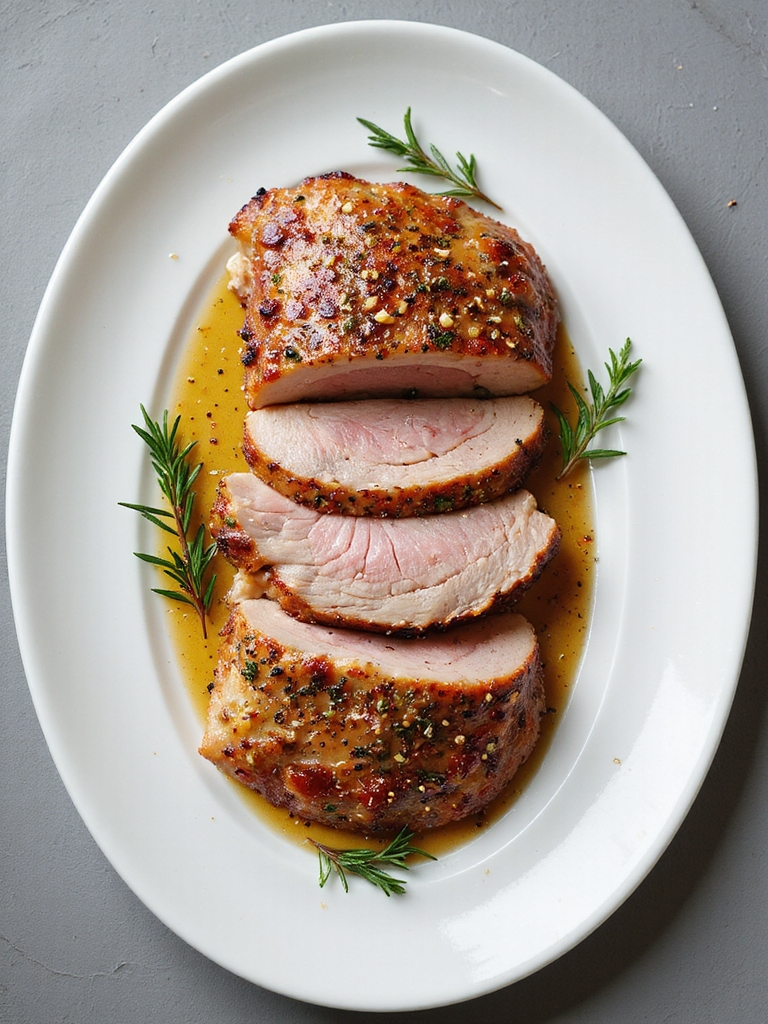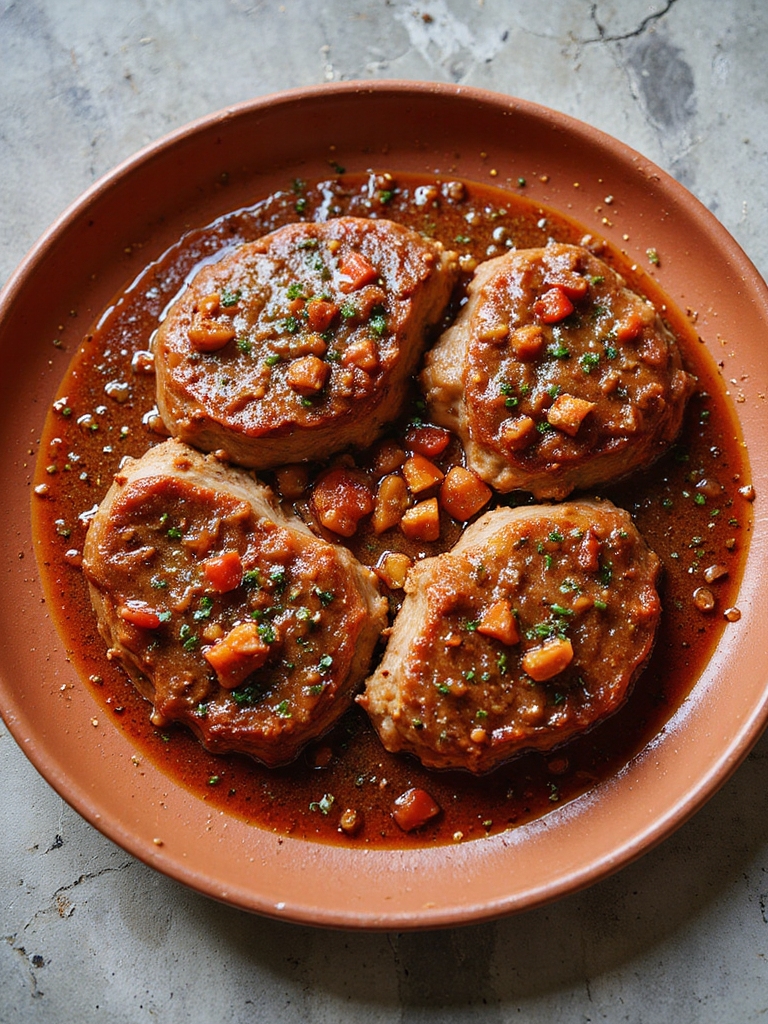

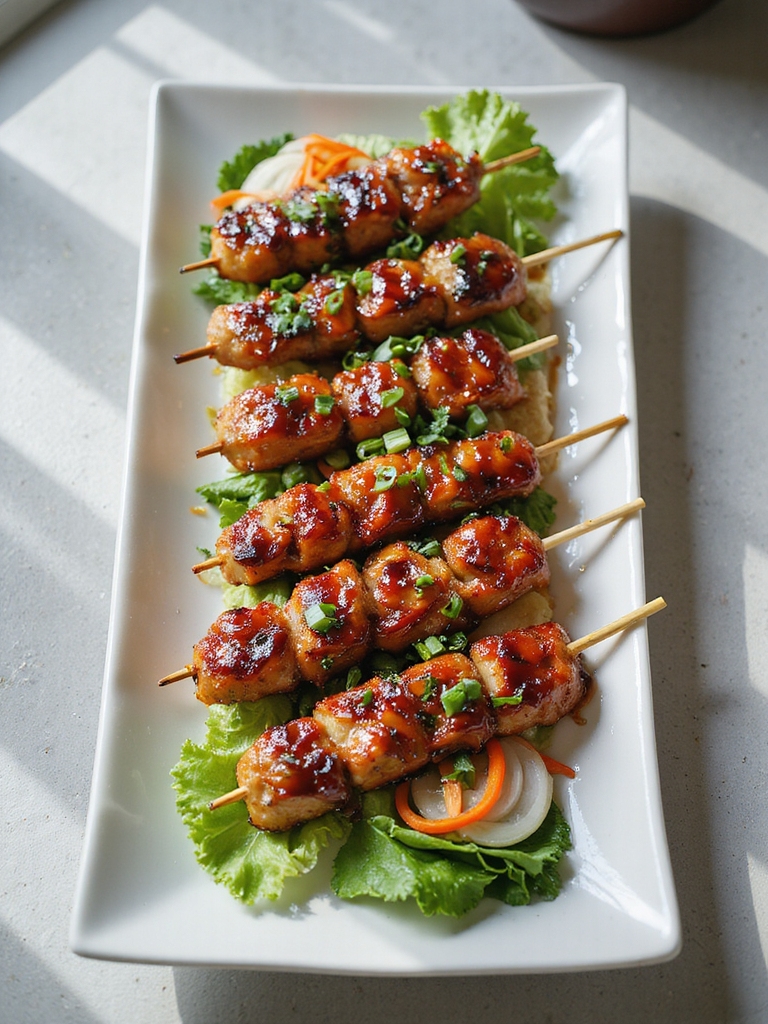
I love recreating the bold flavors of Asian pork dishes, reminiscent of those delicious takeout moments. It feels like bringing a world of rich spices and vibrant tastes right into my kitchen.
From the savory kick of Spicy Korean Gochujang Ribs to the balanced sweetness of Filipino Pork Adobo, each dish tells its own story. But what makes these recipes so special and incredibly satisfying? Let’s explore some culinary secrets together.
Sweet and Sour Pork
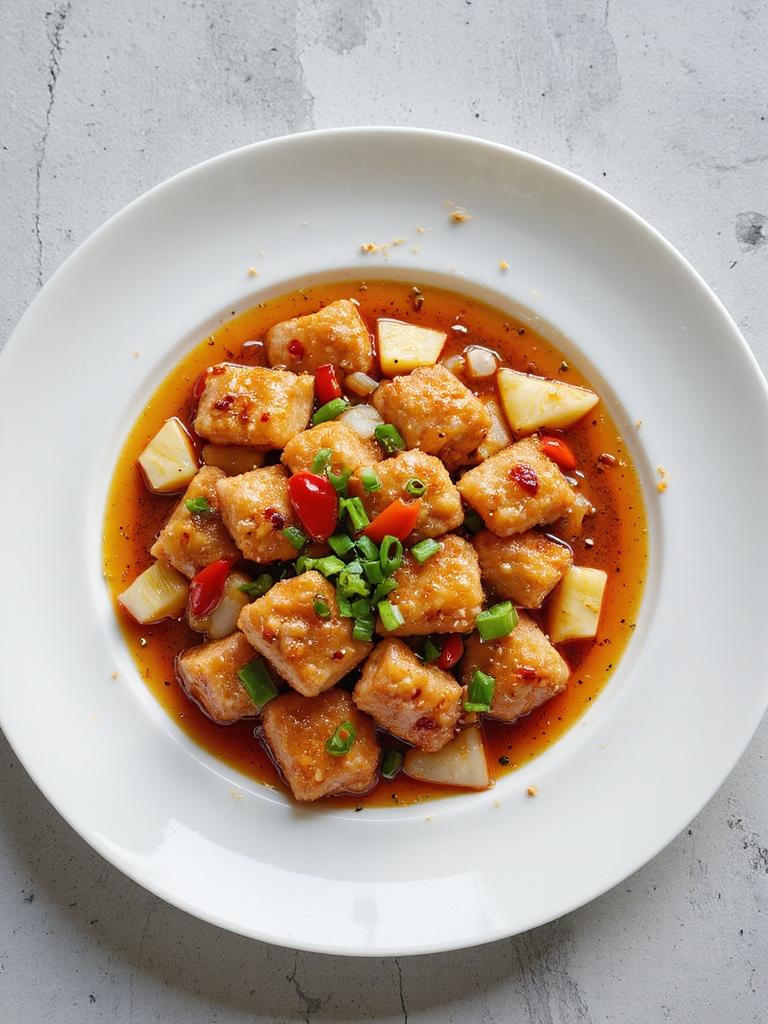
Sweet and sour pork is a classic dish that’s both tangy and savory, making it a favorite in many Asian cuisines. This recipe combines juicy pieces of pork with a vibrant mix of vegetables and a luscious sweet and sour sauce. A delightful interplay of flavors and textures, sweet and sour pork is perfect for any occasion, from family gatherings to weeknight dinners.
In addition to its bold flavors, pork is a versatile ingredient that can be featured in another popular dish: delicious Mexican pork dishes.
- 1 lb pork tenderloin, cut into 1-inch cubes
- 1 red bell pepper, cut into chunks
- 1 green bell pepper, cut into chunks
- 1 onion, cut into chunks
- 1 cup pineapple chunks
- 1/2 cup cornstarch
- 1 egg, beaten
- 1/4 cup vegetable oil
- 1/4 cup ketchup
- 1/4 cup rice vinegar
- 1/4 cup sugar
- 1 tablespoon soy sauce
- 1 tablespoon cornstarch, dissolved in 2 tablespoons water
Start by coating the pork cubes in cornstarch and then dip them in the beaten egg. Heat the vegetable oil in a pan over medium heat and fry the pork until golden brown. Remove the pork and stir-fry the bell peppers and onion until tender. Mix together the ketchup, rice vinegar, sugar, and soy sauce in a bowl, then pour over the vegetables. Add the pork and pineapple; stir in the cornstarch slurry, cooking until the sauce thickens.
For an extra crispy texture, consider double frying the pork pieces before adding them to the pan. Always use fresh vegetables for the best taste, and adjust the sweetness of the sauce to your preference by increasing or decreasing the sugar amount.
Spicy Korean Gochujang Ribs
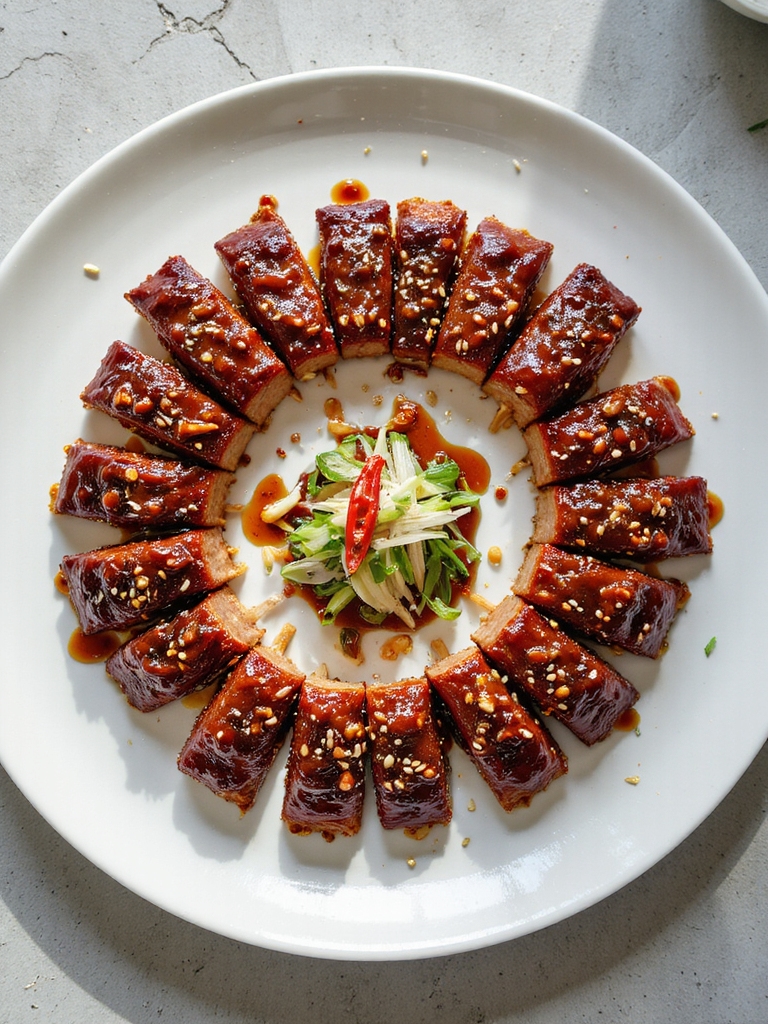
Spicy Korean gochujang ribs are a tantalizing treat for those who love a burst of heat in their meals. This dish features tender ribs coated in a fiery gochujang sauce, which offers a delightful combination of spicy, sweet, and savory flavors. Perfect for weekend barbecues or family dinners, these ribs will leave a lasting impression on your taste buds. Korean pork belly dishes can also be an excellent addition to your dining experience.
- 2 lbs pork ribs
- 1/2 cup gochujang (Korean chili paste)
- 1/4 cup soy sauce
- 2 tablespoons sesame oil
- 2 tablespoons rice vinegar
- 2 tablespoons honey
- 4 cloves garlic, minced
- 1 tablespoon ginger, grated
Preheat the oven to 350°F (175°C). Mix gochujang, soy sauce, sesame oil, rice vinegar, honey, garlic, and ginger in a bowl to make the marinade. Coat the ribs in the marinade, place them in a baking dish, cover with foil, and bake for 90 minutes, then remove the foil and bake for an additional 15 minutes.
For extra flavor, consider marinating the ribs overnight. Adjust the level of heat by increasing or decreasing the amount of gochujang to suit your preference.
Japanese Tonkatsu
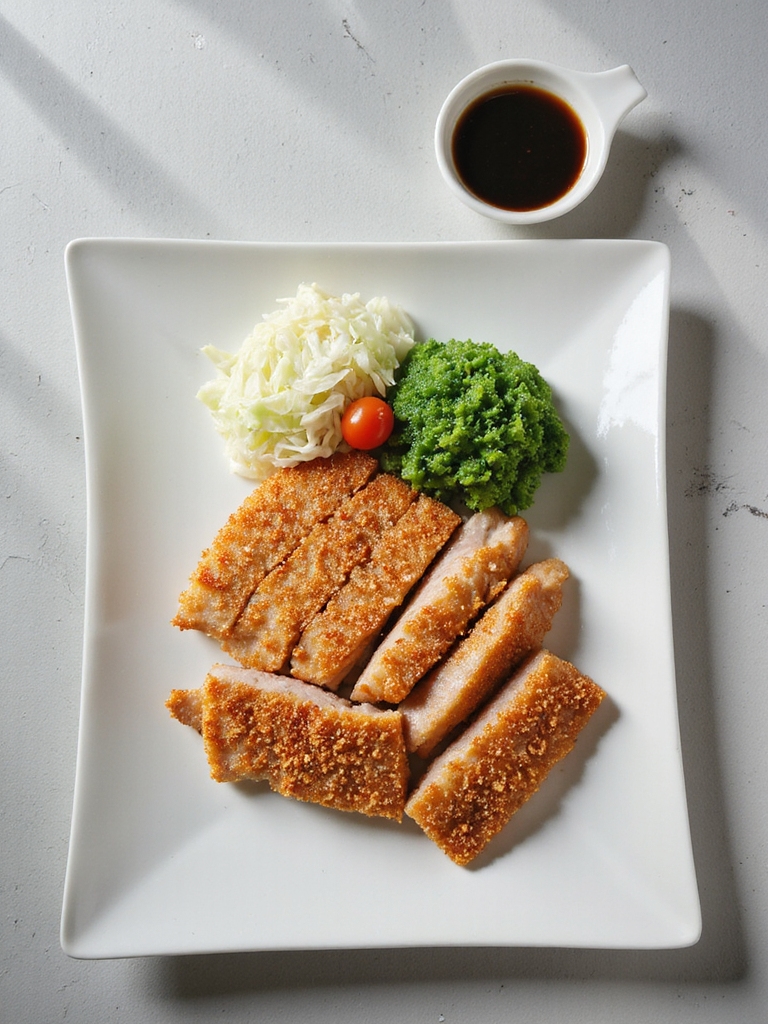
Japanese Tonkatsu is a beloved dish that showcases juicy pork cutlets coated in a crispy, golden crust. This delightful main course is usually served with a tangy Tonkatsu sauce and a side of shredded cabbage, making it a perfect, well-rounded meal. Simple yet delicious, Tonkatsu is a staple in Japanese comfort food.
- 4 boneless pork chops
- Salt and pepper
- 1 cup all-purpose flour
- 2 large eggs
- 2 cups panko breadcrumbs
- Vegetable oil (for frying)
- Tonkatsu sauce (store-bought or homemade)
Season the pork chops with salt and pepper, then coat them evenly in flour. Dip them in beaten eggs, followed by a layer of panko breadcrumbs. Heat vegetable oil in a pan over medium heat and fry the cutlets on both sides until golden brown and fully cooked. Serve immediately with Tonkatsu sauce.
To achieve maximum crispiness, guarantee your oil is hot enough before adding the pork. Test the oil by dropping a small piece of bread into it; if it sizzles, the oil is ready for frying.
Thai Basil Pork Stir-Fry
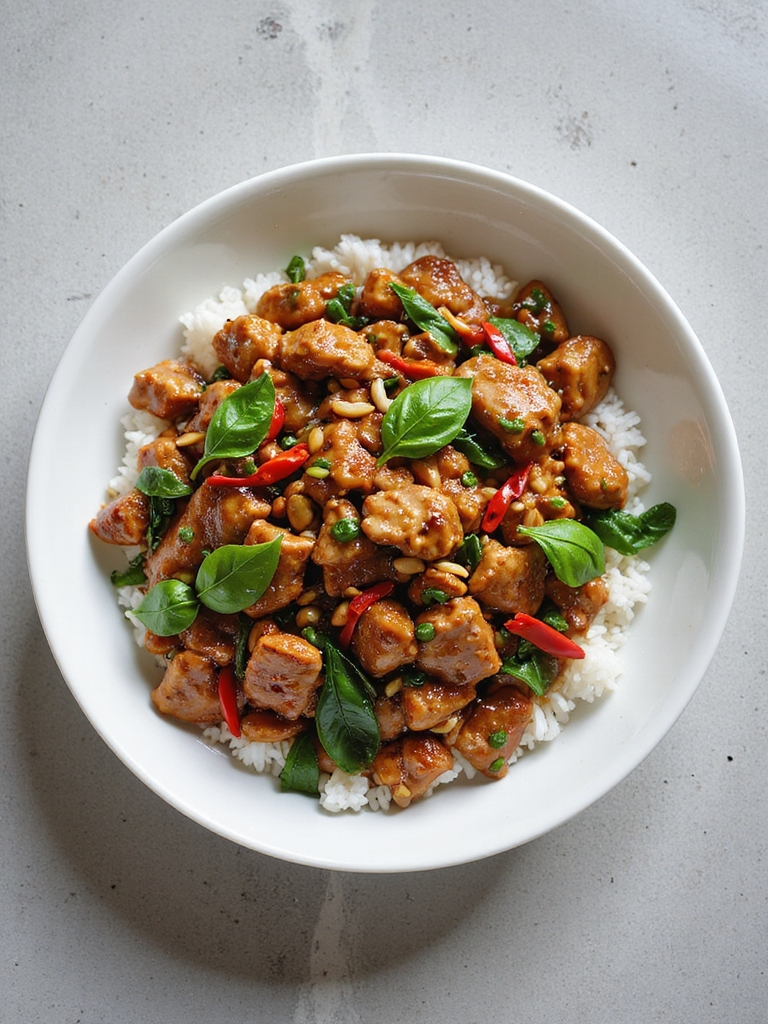
Thai Basil Pork Stir-Fry is a quick, flavorful dish that brings together tender pork, vibrant vegetables, and the aromatic essence of Thai basil in just minutes. This dish highlights a harmonious blend of salty, spicy, and sweet flavors complemented by the fresh basils’ licorice undertones. Perfect for a weeknight meal, this stir-fry is typically served over steaming hot rice for a satisfying, complete dining experience.
- 1 pound ground pork
- 2 tablespoons vegetable oil
- 4 cloves garlic, minced
- 3 Thai chilies, sliced
- 2 tablespoons soy sauce
- 1 tablespoon fish sauce
- 1 tablespoon oyster sauce
- 1 teaspoon sugar
- 1 cup fresh Thai basil leaves
Heat the vegetable oil in a large pan over medium heat and add the garlic and chilies, stirring until fragrant. Add the ground pork and cook until it is browned and cooked through, breaking it into small pieces. Stir in the soy sauce, fish sauce, oyster sauce, and sugar, then toss with Thai basil leaves until wilted before serving.
Ensure to use fresh Thai basil for an authentic flavor, and adjust the chili quantity to suit your spice preference. Also, try to balance the sweet, salty, and spicy components to match your taste, as it is essential for the dish’s authenticity. Additionally, this dish showcases how versatile ground pork recipes can be in creating various delicious meals.
Vietnamese Caramelized Pork
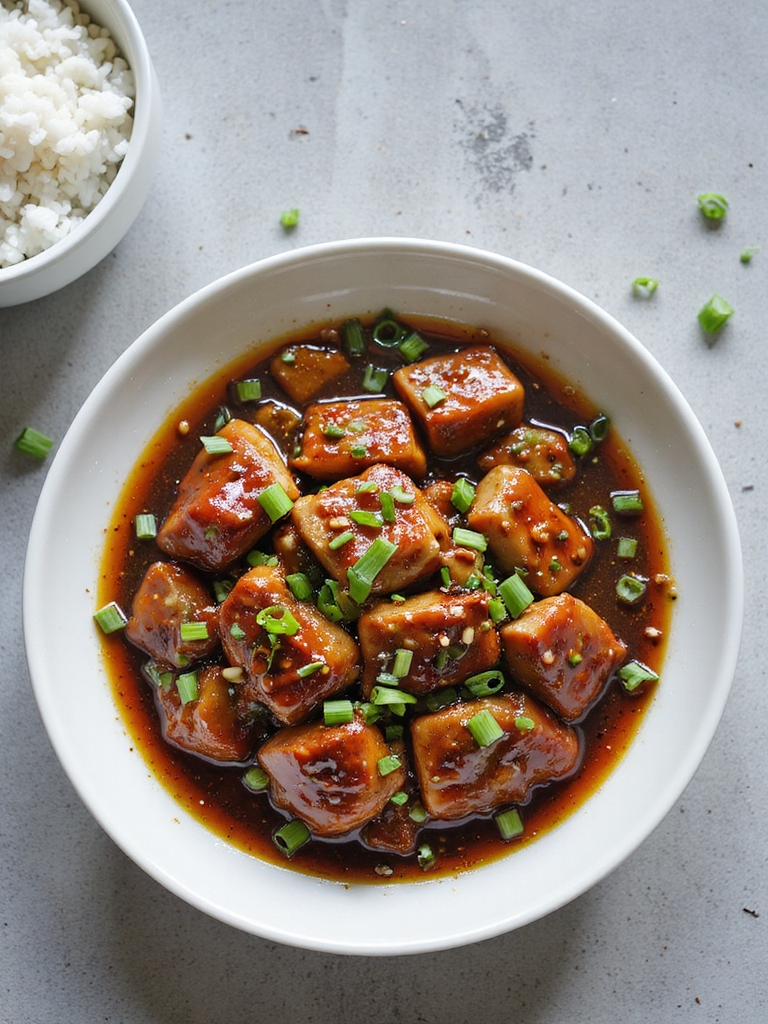
Vietnamese Caramelized Pork, or “Thit Kho To,” is a traditional dish known for its rich, savory caramel sauce that envelops tender pieces of pork belly. It combines the sweetness of caramelized sugar with the umami of fish sauce, creating a luscious glaze that perfectly coats the pork. This comforting dish is typically served with steamed rice, making it an ideal hearty meal that embodies the warmth and flavor depth of Vietnamese cuisine. Delicious Pork Recipes often feature similar practices that elevate the taste of the dish.
- 1 pound pork belly, cut into cubes
- 2 tablespoons sugar
- 1 tablespoon vegetable oil
- 4 cloves garlic, minced
- 2 tablespoons fish sauce
- 1 cup coconut water
- 1 teaspoon black pepper
- 2 green onions, chopped
In a pan, melt the sugar over medium heat until it’s golden brown, then add oil and garlic, stirring until fragrant. Add pork, fish sauce, coconut water, and black pepper, and simmer until the sauce thickens and the pork is tender. Garnish with green onions before serving.
For extra flavor, marinate the pork in fish sauce and pepper for at least 30 minutes before cooking. If you prefer a thicker sauce, allow it to reduce longer, but make sure not to burn the sugar to retain the dish’s signature caramelized taste.
Chinese Char Siu Pork
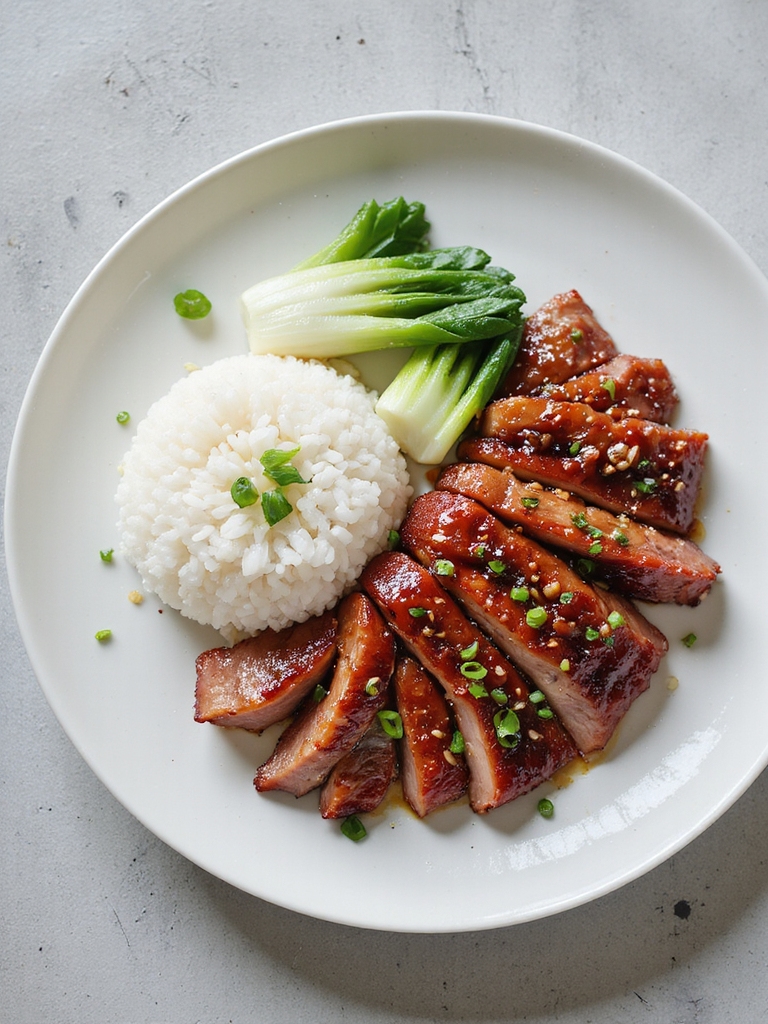
Chinese Char Siu Pork is a popular Cantonese dish featuring tender, juicy pork coated in a sweet and savory glaze, with a distinctive red hue. This iconic barbecue pork is typically marinated in a mixture of hoisin sauce, honey, five-spice powder, and other ingredients, then roasted or grilled to caramelized perfection. Char Siu is often sliced and served with steamed rice or used as a filling in buns and pastries, making it a versatile addition to any meal.
- 1.5 pounds pork shoulder or tenderloin
- 2 tablespoons hoisin sauce
- 2 tablespoons soy sauce
- 2 tablespoons honey
- 1 tablespoon oyster sauce
- 1 teaspoon five-spice powder
- 1 teaspoon sesame oil
- 2 cloves garlic, minced
- Red food coloring (optional)
Combine hoisin sauce, soy sauce, honey, oyster sauce, garlic, five-spice powder, sesame oil, and optional food coloring to create the marinade. Coat the pork with the marinade and let it sit for at least 4 hours or overnight in the refrigerator. Roast in a preheated oven at 375°F (190°C) for 25-30 minutes, basting halfway through, until the pork is caramelized and cooked through.
To enhance the flavors, verify the pork marinates overnight, allowing the seasonings to penetrate deeply. For a more authentic appearance, add a few drops of red food coloring to the marinade, creating the traditional char siu look with its iconic bold hue.
Filipino Pork Adobo
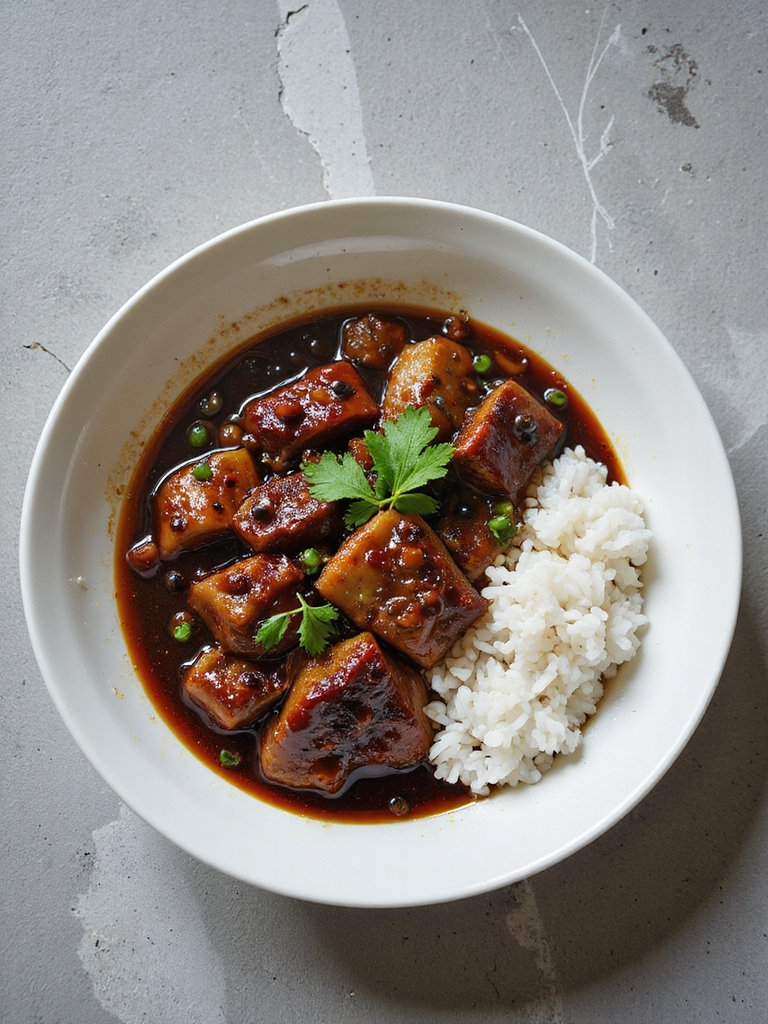
Filipino Pork Adobo is a quintessential Filipino dish known for its rich, tangy, and savory flavors. The dish combines pork marinated in soy sauce, vinegar, garlic, and peppercorns, then simmered until tender. It is a staple comfort food in the Philippines, appreciated for its simplicity and depth of flavor, often served with fluffy white rice. To elevate your taco night, consider using this flavorful pork as a filling for delicious pork taco creations, adding an exciting twist to traditional taco recipes.
- 2 pounds pork belly, cut into chunks
- 1/2 cup soy sauce
- 1/4 cup white vinegar
- 5 cloves garlic, minced
- 1 teaspoon whole black peppercorns
- 2 bay leaves
- 1 cup water
In a large pot, combine pork, soy sauce, vinegar, garlic, peppercorns, bay leaves, and water. Bring the mixture to a boil, then reduce heat to a simmer and cover. Cook for 1 to 2 hours, stirring occasionally, until the pork is tender and the sauce has reduced.
For the best flavor, allow the pork to marinate in the sauce for at least an hour before cooking. Use a heavy-bottomed pot to guarantee even cooking and prevent the sauce from burning at the bottom.
Malaysian Rendang Pork Curry
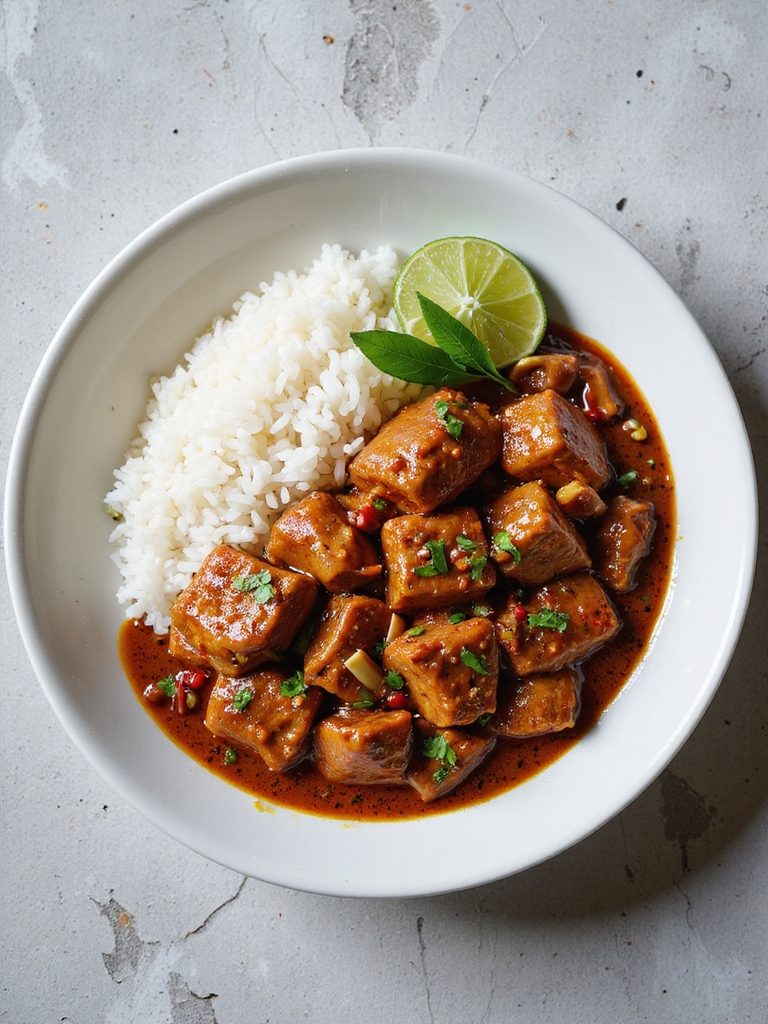
Malaysian Rendang Pork Curry is a flavorful and aromatic dish that embodies the depth of Malaysian cuisine. This slow-cooked curry features tender pieces of pork immersed in a rich and spicy coconut milk sauce, infused with dried chilies, lemongrass, galangal, and traditional spices. Served with fluffy rice, it is a celebratory dish that showcases the harmony of spice and creaminess.
- 2 pounds pork shoulder, cut into chunks
- 1 cup coconut milk
- 2 stalks lemongrass, smashed
- 4 dried chilies, soaked and ground
- 1 small piece fresh turmeric, grated
- 2-inch piece galangal, sliced
- 1 teaspoon ground coriander
- 3 lime leaves, torn
- Salt to taste
In a large pot, heat coconut milk over medium heat, adding the ground chilies, lemongrass, turmeric, and galangal. Stir in the pork, lime leaves, ground coriander, and salt; simmer gently for 1.5 to 2 hours until the pork is tender and the sauce thickens. Adjust seasoning to taste, ensuring the flavors are well-balanced.
To intensify the aroma, consider toasting the spices gently before adding to the coconut milk and use fresh lemongrass and galangal for the most authentic flavor. Be patient and allow the curry to simmer slowly, stirring occasionally to prevent sticking and enhance the depth of the dish.
Burmese Shwe Yin Aye Pork
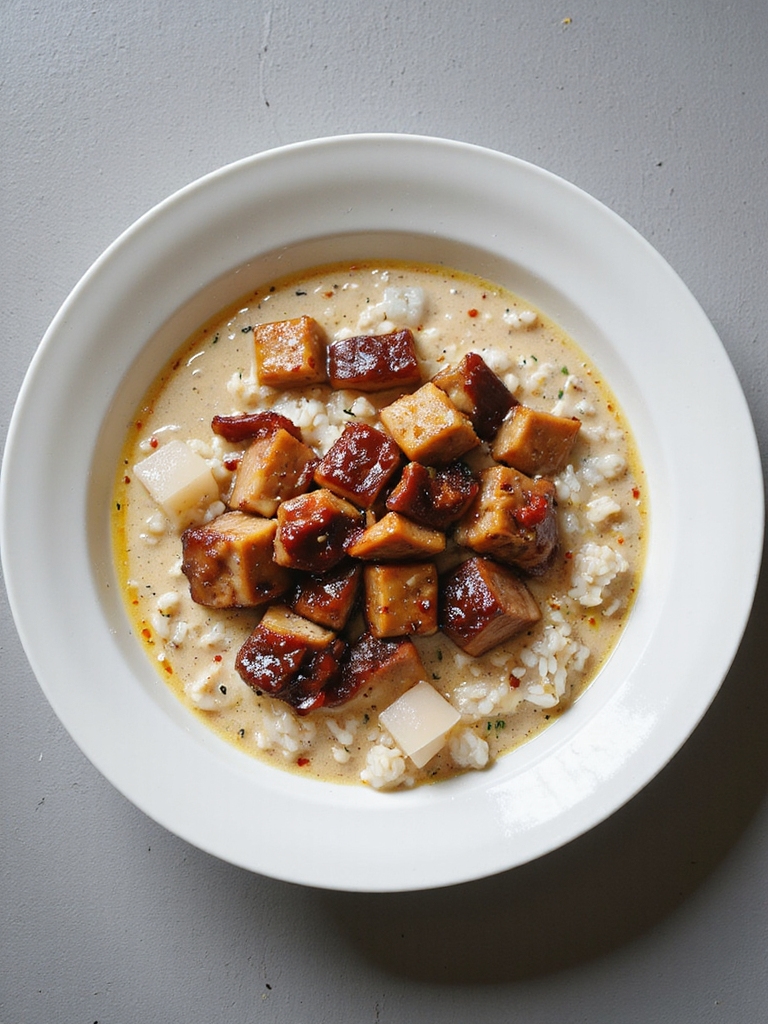
Burmese Shwe Yin Aye Pork is a comforting and savory dish that combines tender pork with creamy coconut milk and invigorating coconut jelly, creating a balance of flavors and textures that is truly unique. This Burmese delicacy is typically served as a dessert-like dish and is beloved for its ability to cool and soothe the palate, especially on warm days. Its combination of savory pork and sweetened elements makes it an intriguing and enjoyable culinary experience.
- 2 pounds pork belly, cubed
- 1 cup coconut milk
- 1 cup coconut jelly, cut into cubes
- 1/2 cup glutinous rice, washed
- 1/4 cup sugar
- 1 teaspoon salt
- 1 teaspoon ground ginger
In a pot, combine pork belly and coconut milk, and bring to a simmer. Add glutinous rice, sugar, salt, and ground ginger, cooking until the rice is tender and the flavors meld. Stir in the coconut jelly, guaranteeing it’s well distributed throughout, and serve warm or cool.
For the best texture, make sure the pork belly is cut into even cubes, and the glutinous rice is not overcooked to prevent it from becoming mushy. Taste for sweetness and saltiness, adjusting as necessary to achieve the perfect balance.
Indonesian Babi Guling
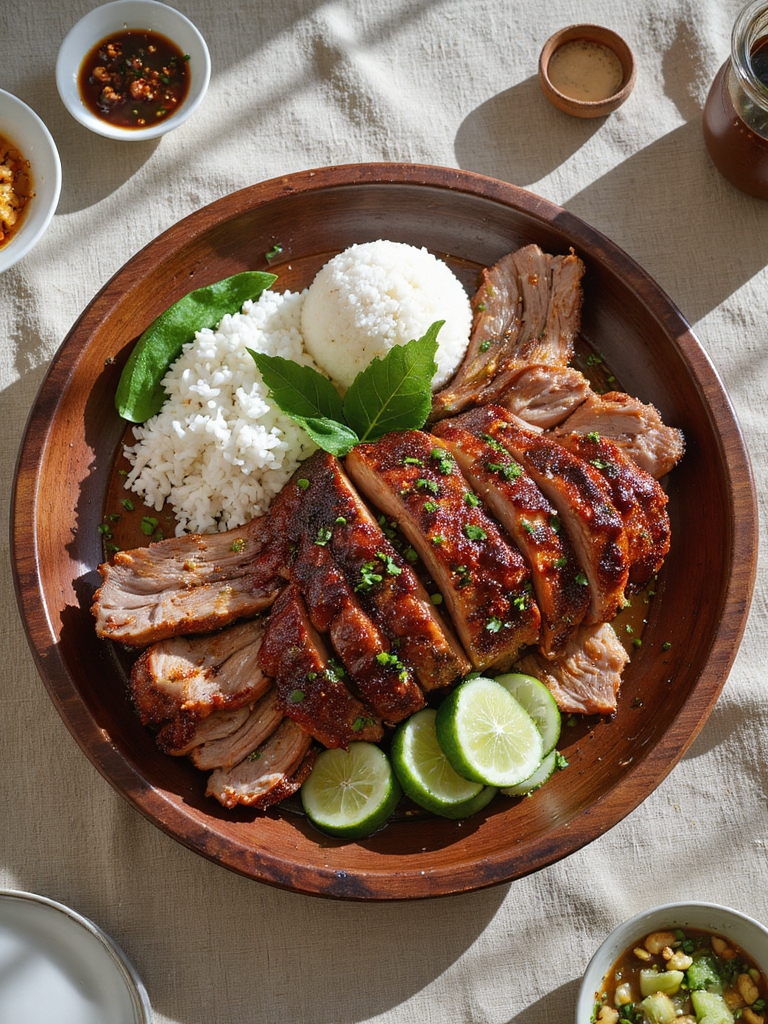
Indonesian Babi Guling is a traditional Balinese dish that features a whole pig roasted on a spit, marinated with a flavorful blend of spices and herbs. This dish, often served at special occasions and celebrations, is renowned for its crispy skin and juicy, aromatic meat. It embodies a rich combination of spices such as turmeric, lemongrass, and coriander, making it a succulent and fragrant feast that captures the essence of Indonesian cuisine.
- Whole pig (approximately 15-20 pounds)
- 5 tablespoons turmeric
- 3 tablespoons coriander seeds
- 10 cloves garlic, minced
- 5 shallots, chopped
- 5 lemongrass stalks, bruised
- 2 tablespoons ginger, grated
- 4 tablespoons salt
- 2 tablespoons black pepper
- 5 kaffir lime leaves
First, clean the pig thoroughly and dry it. Make a spice paste by blending turmeric, coriander, garlic, shallots, lemongrass, ginger, salt, and pepper. Rub the paste inside and outside the pig, stuffing it with kaffir lime leaves for added aroma. Secure the pig on a spit and roast it over a charcoal fire for several hours, turning it occasionally until the skin is golden brown and crispy.
For best results, adjust the charcoal to maintain a consistent heat ensuring even cooking, and keep a close eye on the skin to prevent burning. A proper baste brush makes it easier to apply spice paste evenly, enhancing the pig’s flavor throughout the cooking process.
Taiwanese Three Cup Pork
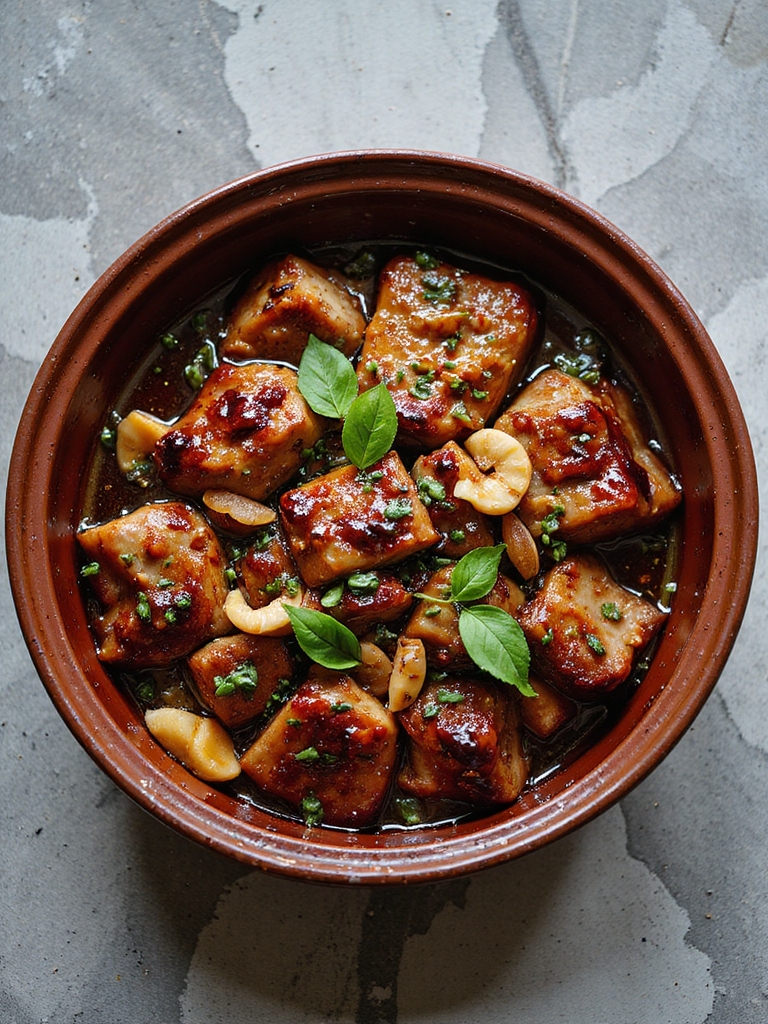
Taiwanese Three Cup Pork is a flavorful and aromatic dish that gets its name from the equal parts of three key ingredients: soy sauce, rice wine, and sesame oil. This dish is a delightful combination of tender pork simmered to perfection in a rich, caramelized sauce. The robust flavors are complemented by the fragrance of fresh basil, ginger, and garlic, providing a harmonious and comforting meal deeply rooted in Taiwanese cuisine.
- 1 pound pork belly, cut into 1-inch cubes
- 1/3 cup soy sauce
- 1/3 cup rice wine
- 1/3 cup sesame oil
- 10 cloves garlic, smashed
- 5 slices ginger
- 2 tablespoons sugar
- 1 cup fresh basil leaves
In a pan, heat sesame oil over medium heat and sauté ginger and garlic until aromatic. Add pork belly and stir-fry until lightly browned. Stir in soy sauce, rice wine, and sugar; reduce heat, cover, and simmer until the sauce thickens and glazes the pork, finishing by tossing in basil leaves just before serving.
For extra depth of flavor, use a clay pot for even heat distribution and to better infuse the pork with the sauce. Make sure the pork is seared well before adding liquids, which will help lock in the juices and enhance the dish’s richness.
Singaporean Black Pepper Pork
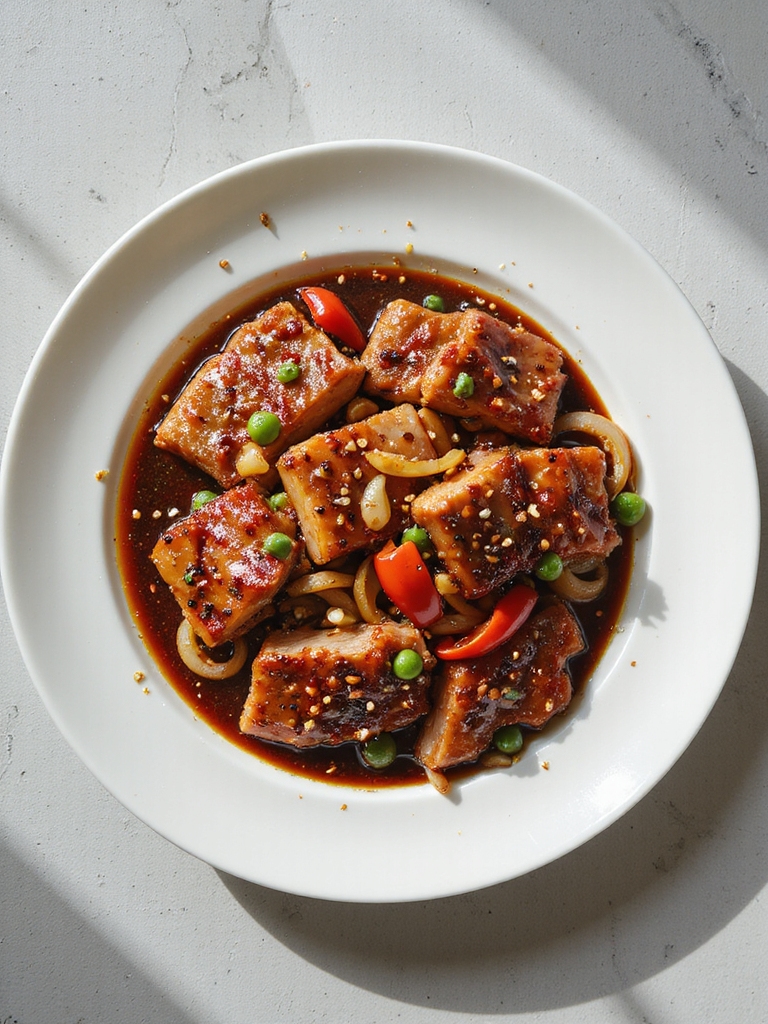
Singaporean Black Pepper Pork is a highly aromatic and robustly flavored dish that combines tender pork with the earthy heat of black pepper. The dish is traditionally a vibrant mix of bold flavors, marked by the spicy kick of black pepper, balanced by savory soy sauce and the sweetness of caramelized onions. This beloved Singaporean dish is a demonstration of the harmonious fusion of spices and ingredients, showcasing the vibrant culinary landscape of Singapore.
- 1 pound pork tenderloin, thinly sliced
- 2 tablespoons black pepper, freshly ground
- 2 tablespoons soy sauce
- 1 tablespoon oyster sauce
- 1 tablespoon sugar
- 2 tablespoons vegetable oil
- 1 onion, thinly sliced
- 2 cloves garlic, minced
- 1 tablespoon cornstarch
- 1 red bell pepper, julienned
In a large wok or pan, heat vegetable oil over high heat and sauté onion and garlic until fragrant. Add pork slices, stirring until lightly browned, then mix in black pepper, soy sauce, oyster sauce, sugar, and cornstarch. Add red bell pepper, stir-fry for a couple of minutes until pork is cooked and sauce thickens, and then serve immediately.
For a more intense black pepper flavor, use freshly cracked pepper instead of pre-ground ones, and consider marinating the pork in a mixture of soy sauce and black pepper prior. Confirm the wok is hot to quickly sear the pork and retain its juiciness for a perfect blend of savory and spicy.
Szechuan Spicy Pork Noodles
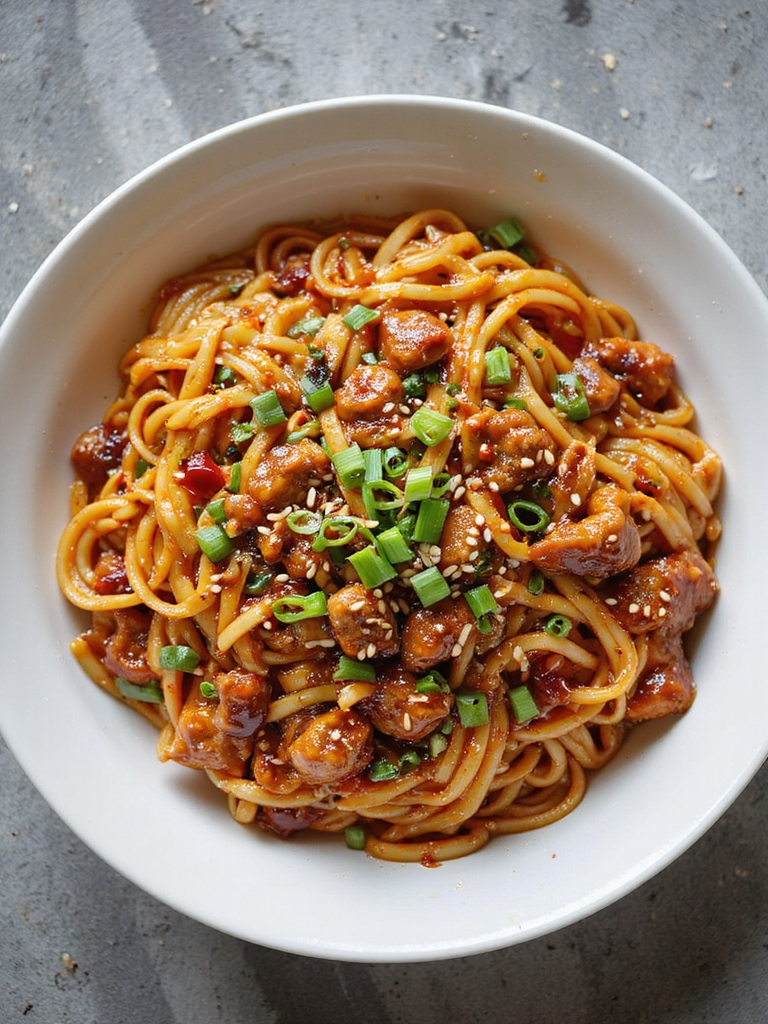
Szechuan Spicy Pork Noodles is a fiery and flavorful dish that perfectly embodies the bold and numbing spices characteristic of Szechuan cuisine. The interplay of hot chili oil with garlic, ginger, and a blend of other spices creates an irresistibly spicy and aromatic sauce that coats the noodles and tender pork. This dish offers an explosion of flavor and heat, making it a thrilling experience for the palate.
- 1 pound pork mince
- 2 tablespoons Szechuan peppercorns, toasted and ground
- 3 tablespoons chili oil
- 2 tablespoons soy sauce
- 1 tablespoon black vinegar
- 1 tablespoon hoisin sauce
- 2 cloves garlic, minced
- 1 tablespoon ginger, minced
- 1 pack of wheat noodles
- 1 bunch of scallions, chopped
- 1 tablespoon sesame seeds
Cook the noodles according to package instructions and set aside. In a large skillet, heat chili oil over medium heat and sauté garlic, ginger, and pork until brown. Stir in Szechuan peppercorns, soy sauce, black vinegar, and hoisin sauce; combine with noodles, top with scallions and sesame seeds, and serve immediately.
For an authentic touch, use wide wheat noodles and freshly ground Szechuan peppercorns for maximum flavor. Adjust the level of heat by varying the amount of chili oil according to your preference, and don’t forget to garnish with fresh scallions for added freshness.
Cambodian Grilled Pork Skewers
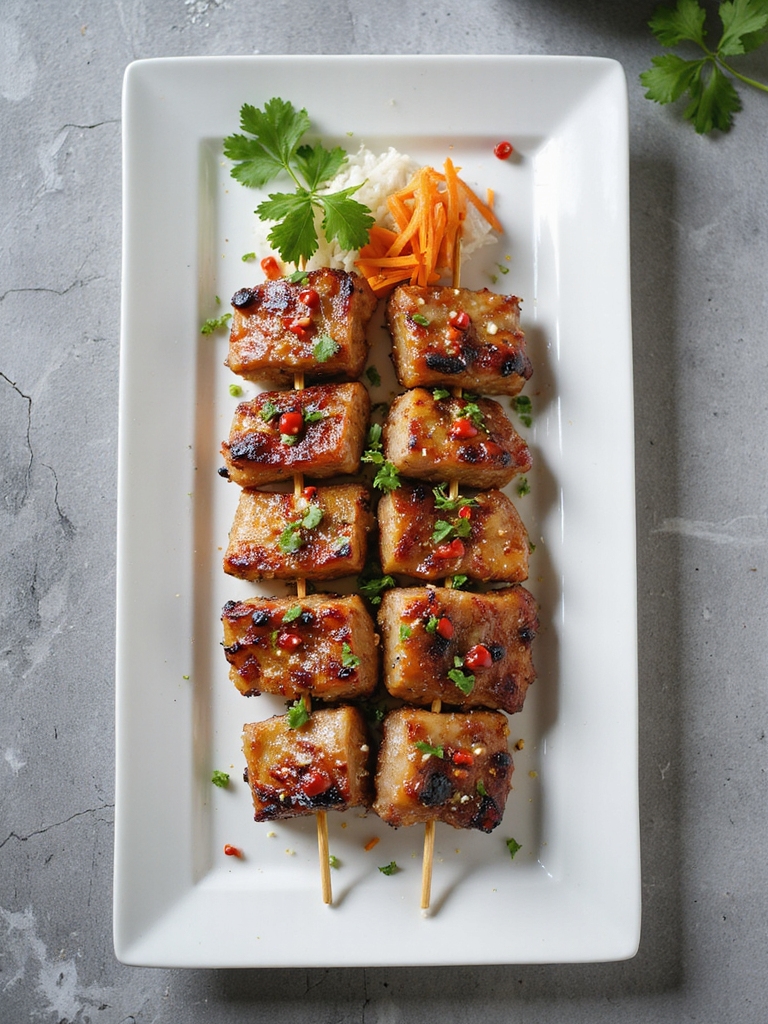
Cambodian Grilled Pork Skewers, also known as Sach Ko Ang, are a delightful blend of sweet, savory, and aromatic flavors, hailing from Cambodia’s rich culinary tradition. The pork is marinated with a combination of spices and seasonings that impart a unique depth of flavor before it’s grilled to perfection, resulting in tender, juicy, and slightly charred skewers that are simply irresistible.
- 1 pound pork shoulder, thinly sliced
- 2 tablespoons fish sauce
- 2 tablespoons soy sauce
- 2 tablespoons palm sugar
- 1 tablespoon lemongrass, finely chopped
- 2 cloves garlic, minced
- 1 teaspoon turmeric powder
- 1 teaspoon ground white pepper
- Bamboo skewers, soaked in water
Marinate the pork with fish sauce, soy sauce, palm sugar, lemongrass, garlic, turmeric, and white pepper for at least 1 hour. Thread the marinated pork onto skewers and grill over medium-high heat for 8-10 minutes, turning occasionally until cooked through and slightly charred. Serve the skewers hot, accompanied by fresh herbs or a side of pickled vegetables.
To guarantee the skewers stay juicy, avoid overcooking by watching them closely during grilling. For a more intense flavor, you can marinate the pork overnight in the refrigerator, allowing the spices to deeply penetrate the meat.