
I love a pork loin that’s tender inside with a crisp, golden edge, and I’ll walk you through the simple steps I use to get there every time. From trimming and brining to a quick sear and careful roasting, small choices make a big difference.
Stick with me and you’ll have a reliable method that turns an ordinary roast into something you’ll want to serve again and again.
Choosing the Right Cut and Size for Perfect Roasts
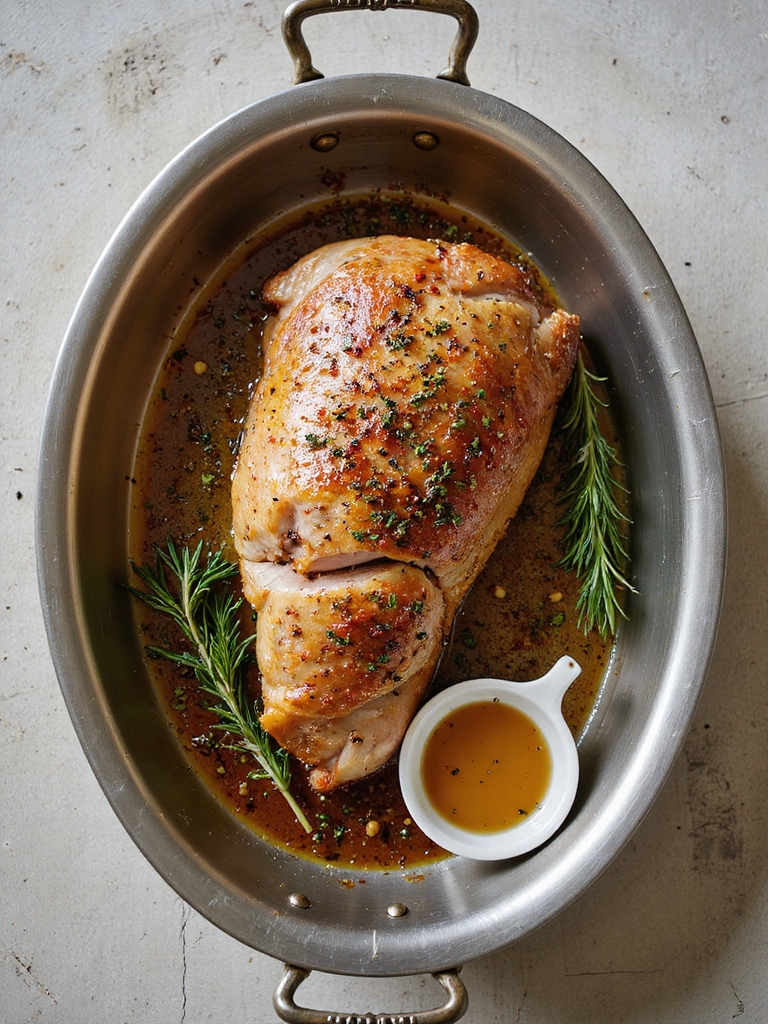
Choosing the right cut and size of pork loin is the foundation of a perfect roast: pick a center-cut pork loin roast (also called a pork loin roast or boneless loin) between 2 and 4 pounds for even cooking and moist slices — smaller roasts cook faster and are ideal for 2–4 people, while larger roasts (4–6 pounds) suit gatherings but require careful temperature monitoring; trim excess fat to about 1/4 inch to promote browning but leave some for flavor, and aim for an internal target of 145°F (63°C) followed by a 10–15 minute rest for tender, juicy meat.
- 1 center-cut boneless pork loin roast (2–4 lb)
- 1–2 tbsp olive oil
- 1 tbsp kosher salt
- 1 tsp black pepper
- 1 tbsp fresh rosemary, chopped (or 1 tsp dried)
- 1 tbsp fresh thyme leaves (or 1 tsp dried)
- 4 cloves garlic, minced
- 1 tsp smoked paprika (optional)
- 1/2 cup low-sodium chicken broth or white wine
Preheat oven to 425°F (220°C); pat roast dry, rub with olive oil, garlic, salt, pepper, rosemary, thyme, and paprika; sear in a hot skillet 2–3 minutes per side until browned, transfer to a roasting pan with broth/wine, roast at 425°F for 15 minutes then reduce to 350°F (175°C) and continue roasting until internal temp reaches 140–145°F (about 20–25 more minutes for a 3-lb roast), remove and tent loosely with foil, rest 10–15 minutes before slicing.
Let the roast rest after cooking to allow juices to redistribute, use a reliable instant-read thermometer for accuracy, slice against the grain into 1/2-inch slices, and adjust roast size so cooking time matches your meal schedule. A quick sear before roasting helps develop a flavorful crust and promotes browning.
Essential Tools and Oven Settings You Need
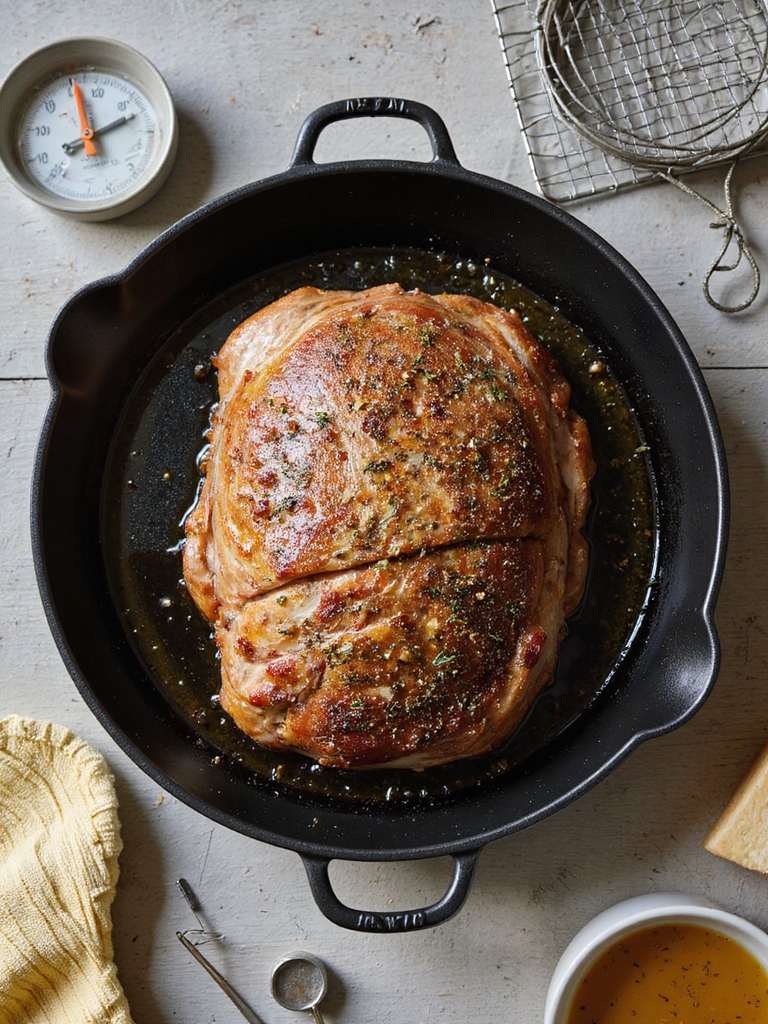
Cooking a perfect pork loin roast relies as much on the right tools and oven settings as on the cut and seasoning; with a few essential items—an accurate instant-read thermometer, heavy ovenproof skillet or roasting pan, wire rack, reliable oven that holds steady temps, and optionally a probe thermometer—you can achieve consistent browning, even cooking, and a precise 145°F (63°C) finish followed by resting for juicy slices.
- 1 center-cut boneless pork loin roast (2–4 lb)
- 1–2 tbsp olive oil
- 1 tbsp kosher salt
- 1 tsp black pepper
- 1 tbsp fresh rosemary, chopped
- 1 tbsp fresh thyme leaves
- 4 cloves garlic, minced
- 1 tsp smoked paprika (optional)
- 1/2 cup low-sodium chicken broth or white wine
- Instant-read thermometer and/or probe thermometer
- Heavy ovenproof skillet or roasting pan with rack
Preheat the oven to 425°F (220°C) and position a rack in the middle; pat the roast dry, rub with olive oil, garlic, salt, pepper, rosemary, thyme, and paprika, then sear in the hot skillet 2–3 minutes per side until well browned, transfer the roast to a rack in the roasting pan with the broth/wine, insert the probe or plan to check with an instant-read thermometer, roast at 425°F for 15 minutes then reduce to 350°F (175°C) and continue until the probe reads 140–145°F in the thickest part (about 20–25 minutes more for a 3-lb roast), remove and tent loosely with foil and rest 10–15 minutes to reach final temp.
Tip: Use a probe thermometer set to 140°F and rely on oven accuracy (consider an oven thermometer) for even results, sear first for better crust, leave about 1/4″ fat for flavor, and always rest before slicing. A good-quality oven thermometer helps ensure your oven maintains a steady temperature for accurate roasting.
Brining and Marinade Options for Extra Juiciness
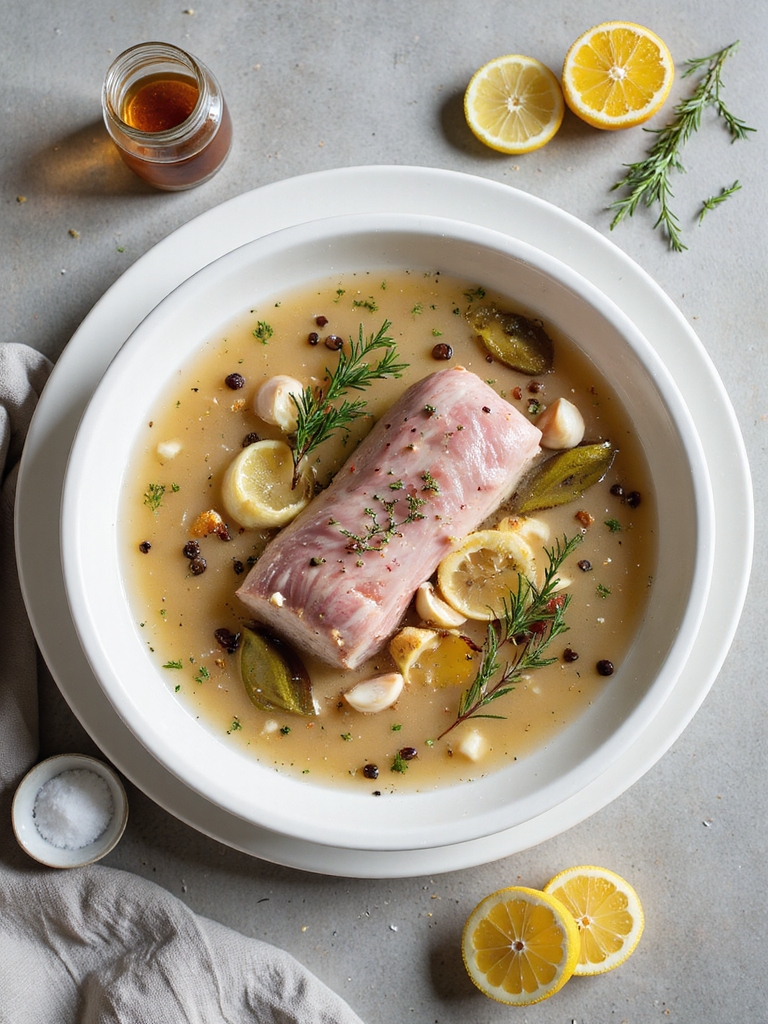
Brining your pork loin before roasting adds moisture and depth of flavor, while quick marinades can impart herb, citrus, or sweet-savory notes; below are two reliable options — a classic wet brine for maximum juiciness and a fast herb-citrus marinade for bright flavor — plus the finished roast method that follows the searing-and-roasting approach from earlier tools and oven settings.
- Wet brine: 4 cups water
- 1/4 cup kosher salt
- 1/4 cup granulated sugar or honey
- 4 cloves garlic, smashed
- 2 bay leaves
- 1 tbsp black peppercorns
- 4 sprigs fresh thyme or rosemary
- Ice to cool brine
- OR Quick herb-citrus marinade: 1/4 cup olive oil
- Zest and juice of 1 lemon
- 2 tbsp Dijon mustard
- 2 tbsp chopped fresh rosemary and thyme
- 4 cloves garlic, minced
- 1 tsp smoked paprika
- 1–2 tsp kosher salt
- 1/2 tsp black pepper
For a wet brine, dissolve salt and sugar in 2 cups hot water, add remaining cold water and ice to cool, submerge a 2–4 lb pork loin in the brine in the refrigerator for 6–8 hours (up to 12 for larger roasts), rinse and pat dry before seasoning and searing; for the quick marinade, whisk oil, lemon, mustard, herbs, garlic, paprika, salt and pepper, coat the pork and refrigerate 1–4 hours, then remove from fridge 30 minutes before roasting, sear 2–3 minutes per side in a hot ovenproof skillet, roast as directed (425°F 15 minutes then 350°F until 140–145°F internal), tent and rest 10–15 minutes.
Tip: Always fully chill brine before adding meat, rinse and dry the loin after brining to avoid over-salted crust, and use an instant-read or probe thermometer to pull the roast at 140–145°F before resting to guarantee juicy, safe results. A slow, low-temperature finish can further improve tenderness and carryover cooking ensures the final temperature rises safely during resting.
Dry Rubs and Seasoning Blends to Try
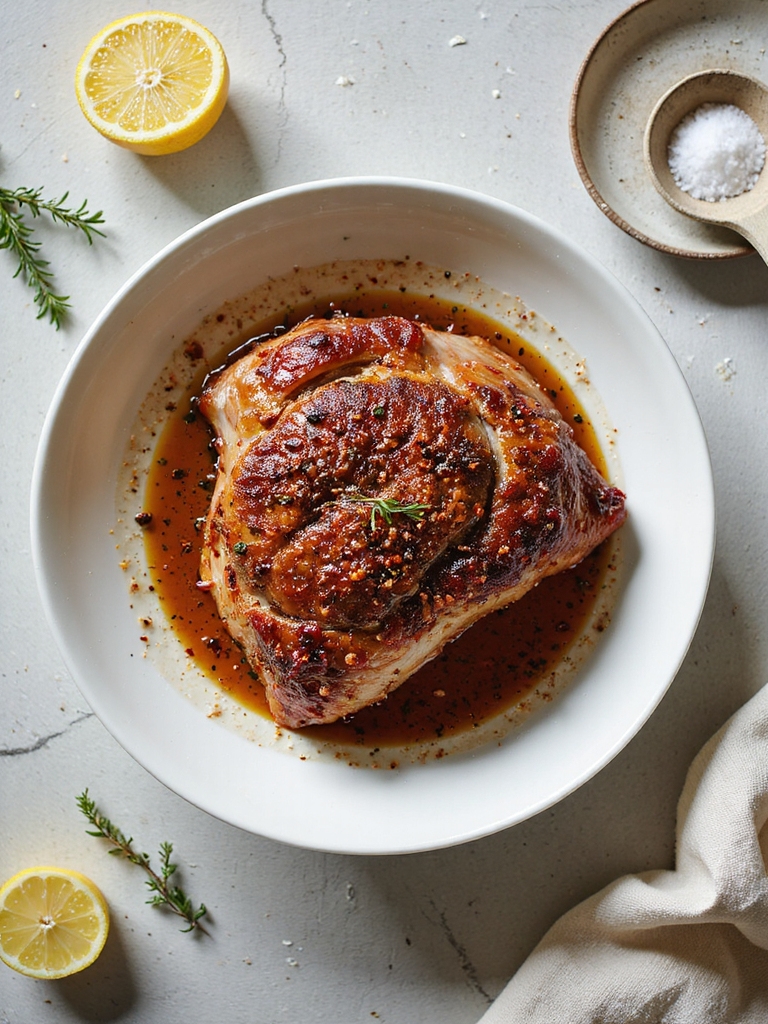
A savory dry rub brings texture and concentrated flavor to pork loin roasts, forming a crisp, caramelized crust that contrasts the tender interior; this recipe offers a versatile all-purpose rub and a slightly smoky sweet variation, shows how to apply it, and gives roasting guidance that pairs with the searing-and-roasting method described earlier so you end up with a golden exterior and juicy center.
- 2 tbsp kosher salt
- 1 tbsp brown sugar
- 1 tbsp smoked paprika
- 1 tsp ground black pepper
- 1 tsp garlic powder
- 1 tsp onion powder
- 1/2 tsp ground cumin
- 1/2 tsp dried thyme
- 1/4 tsp cayenne pepper (optional)
- 1–3 lb pork loin, trimmed and patted dry
- 1–2 tbsp olive oil or neutral oil for searing
Rub the pork lightly with oil, then coat evenly with the dry rub, pressing it into the surface and letting the seasoned loin sit at room temperature for 30–60 minutes (or refrigerate up to 4 hours and bring back to room temp before cooking); preheat ovenproof skillet over medium-high heat and sear the loin 2–3 minutes per side until deeply browned, then transfer to a 425°F oven for 10–15 minutes to jump-start crust, reduce to 350°F and roast until the internal temperature reaches 140–145°F.
Tent and rest 10–15 minutes before slicing.
Tip: Taste and adjust salt in the rub for brined loins, use a probe thermometer to avoid overcooking, and finish with a light sprinkle of flaky sea salt or a squeeze of citrus for brightness.
This method works especially well for larger cuts when using oven roasting to ensure even cooking and a beautifully browned exterior.
Searing Techniques for a Golden, Crisp Exterior
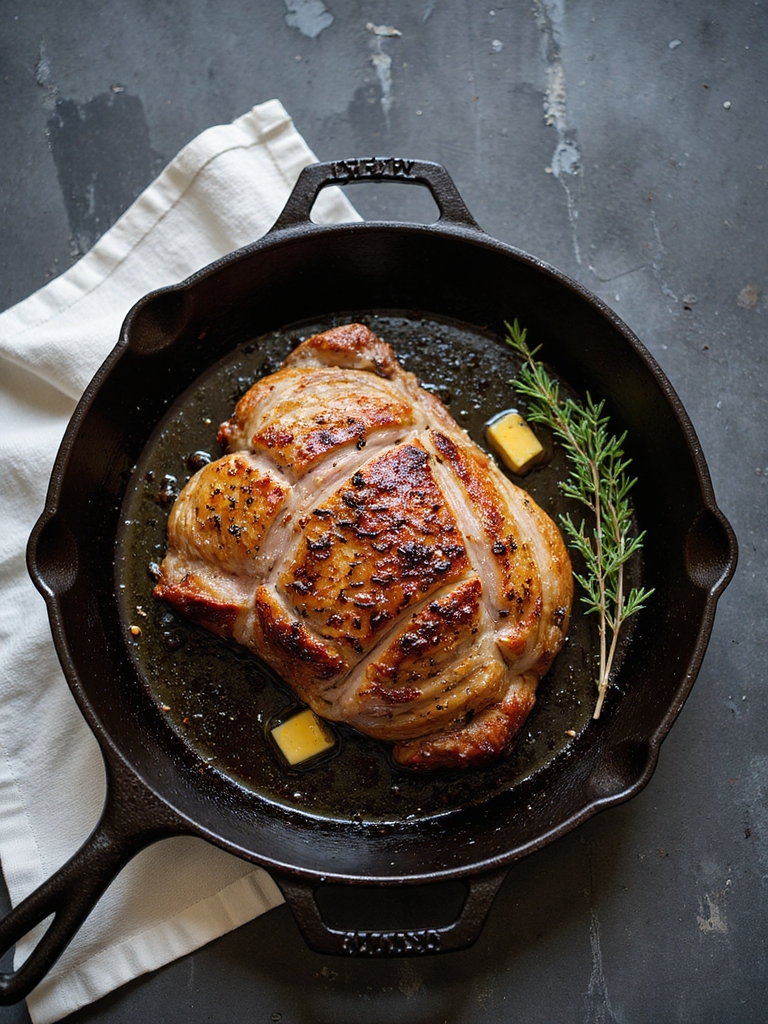
Searing a pork loin properly builds a deeply browned, flavorful crust that contrasts beautifully with the tender interior; this recipe focuses on technique—dry surface, hot pan, minimal handling—and pairs well with the dry rub from earlier, using a quick, high-heat sear followed by oven roasting to finish to safe, juicy doneness.
- 1–3 lb pork loin, trimmed and patted dry
- 1–2 tbsp olive oil or neutral oil with high smoke point
- Prepared dry rub (from previous recipe) or 2 tbsp kosher salt + 1 tbsp brown sugar + 1 tbsp smoked paprika + 1 tsp black pepper
- Optional: 1 tbsp butter and 2 sprigs fresh thyme or rosemary for basting
- Flaky sea salt and citrus wedges for finishing
Heat oven to 425°F and place a heavy ovenproof skillet (cast iron preferred) on the stove over medium-high heat until very hot; while the pan heats, pat the loin completely dry, rub lightly with oil and the dry rub, then sear the loin 2–3 minutes per side without moving it until deeply browned, add butter and herbs for 30 seconds to baste, then transfer skillet to oven for 10–15 minutes to jump-start crust and reduce heat to 350°F to finish roasting until internal temperature reads 140–145°F, then tent and rest 10–15 minutes before slicing.
Tip: Make sure the meat surface is bone-dry before searing, use an oil with a high smoke point, avoid overcrowding the pan, and rely on a probe thermometer rather than time to prevent overcooking.
For best results, choose a well-marbled loin cut to retain moisture during roasting and to enhance flavor and juiciness.
Low-and-Slow vs. High-Heat Roasting: When to Use Each
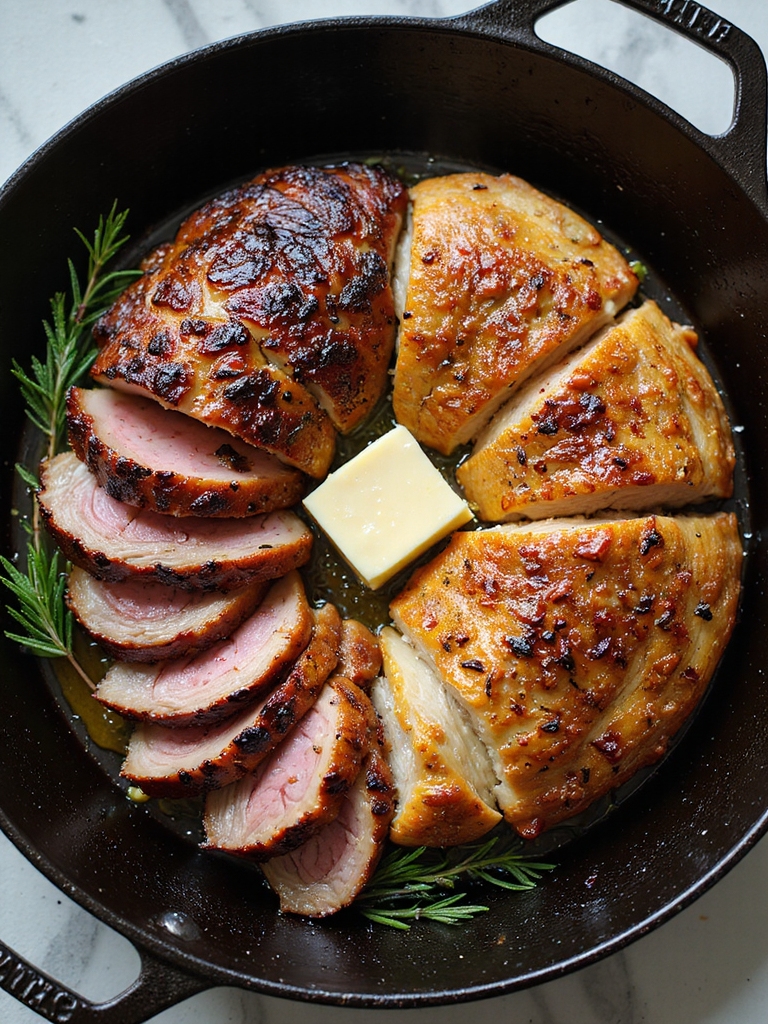
Choosing between low-and-slow and high-heat roasting for pork loin depends on the cut size, desired crust, and time: use high-heat roasting (sear then roast at higher temp) for a 1–3 lb loin when you want a crisp, caramelized exterior and juicy center; use low-and-slow for larger loins or when you prefer an even, tender interior with gentle browning—this recipe gives both approaches so you can pick based on time and texture.
- 1–3 lb pork loin, trimmed and patted dry
- 1–2 tbsp high smoke-point oil (vegetable, canola, or avocado)
- 1–2 tbsp prepared dry rub or 2 tbsp kosher salt + 1 tbsp brown sugar + 1 tbsp smoked paprika + 1 tsp black pepper
- 1 tbsp butter (optional) and 2 sprigs fresh thyme or rosemary (optional)
- Flaky sea salt and citrus wedges for finishing
For high-heat: preheat oven to 425°F and heat a heavy ovenproof skillet over medium-high until smoking, pat loin dry, season and sear 2–3 minutes per side without moving until deeply browned, baste 30 seconds with butter and herbs, then roast in oven 10–20 minutes reducing oven to 350–F as needed until internal temp reaches 140–145°F, rest 10–15 minutes before slicing; for low-and-slow: preheat oven to 275–300°F, season loin, optionally sear quickly for color, place on rack and roast until internal temp reaches 140–145°F (this may take 45–90 minutes depending on size), rest 15–20 minutes before slicing to allow carryover.
Tip: Use an instant-read or probe thermometer to track internal temp for either method, remove the loin at 140–145°F and always rest to let juices redistribute for best texture.
Pork tenderloin is particularly well suited to quick high-heat methods for a tender result, so consider practicing searing and roasting with a pork tenderloin to build confidence.
How to Monitor Internal Temperature for Reliable Results
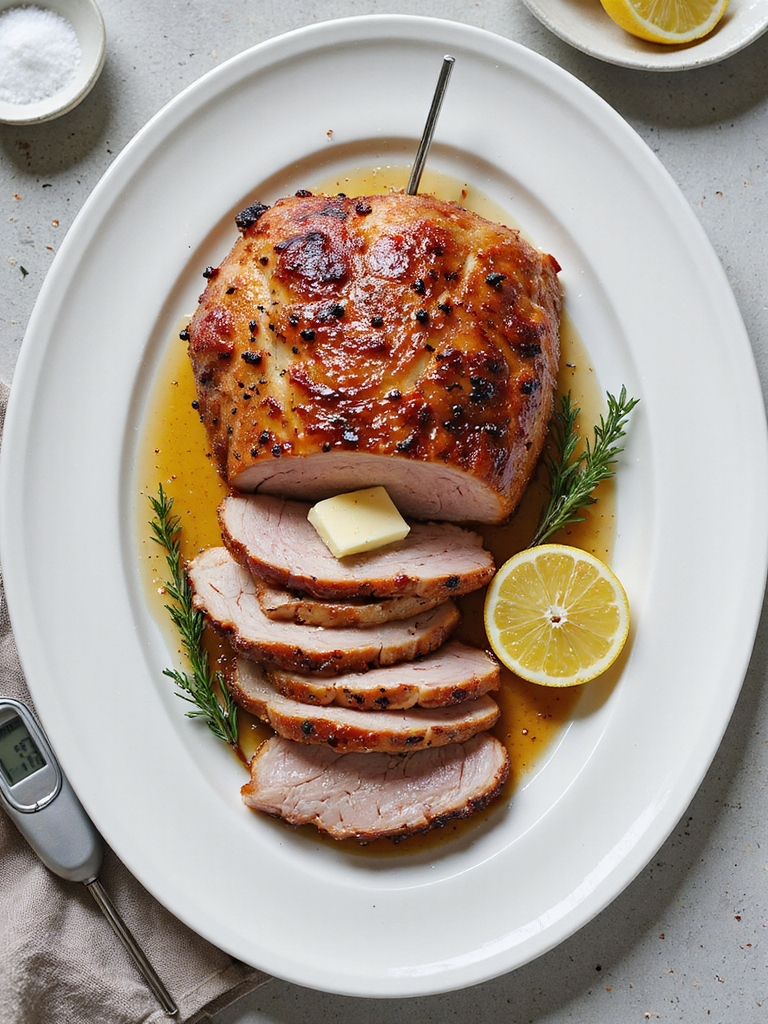
Monitoring the internal temperature of a pork loin is the most reliable way to make certain safe, juicy results whether you roast high-heat or low-and-slow; this recipe outlines how to set up and use instant-read and probe thermometers, target temperatures, and timing so you remove the roast at 140–145°F and achieve perfect carryover and rest.
- 1–3 lb pork loin, trimmed and patted dry
- 1–2 tbsp high smoke-point oil
- 1–2 tbsp prepared dry rub or (2 tbsp kosher salt + 1 tbsp brown sugar + 1 tbsp smoked paprika + 1 tsp black pepper)
- 1 tbsp butter (optional)
- 2 sprigs fresh thyme or rosemary (optional)
- Flaky sea salt and citrus wedges for finishing
Preheat oven and choose your roasting method (425°F sear-then-roast or 275–300°F low-and-slow), insert a leave-in probe into the thickest part of the loin avoiding fat and bone, set probe alarm to 140°F (or monitor with an instant-read thermometer and remove at 140–145°F), if searing start in a hot skillet 2–3 minutes per side then transfer to oven on a rack; when probe/instant-read reaches 140–145°F remove roast, tent loosely with foil and rest 10–20 minutes for carryover to reach final temp and redistribute juices, then season with flaky salt and slice.
Tip: Calibrate or check your thermometers for accuracy, place probes in the thickest meat (not touching bone or pan), and trust temperature over time—remove at 140–145°F and rest to achieve safe, tender pork. The same principles apply whether smoking or oven-roasting, so treat smoking temps and roast temperatures with equal precision.
Resting, Carving, and Serving Tips for Optimal Texture
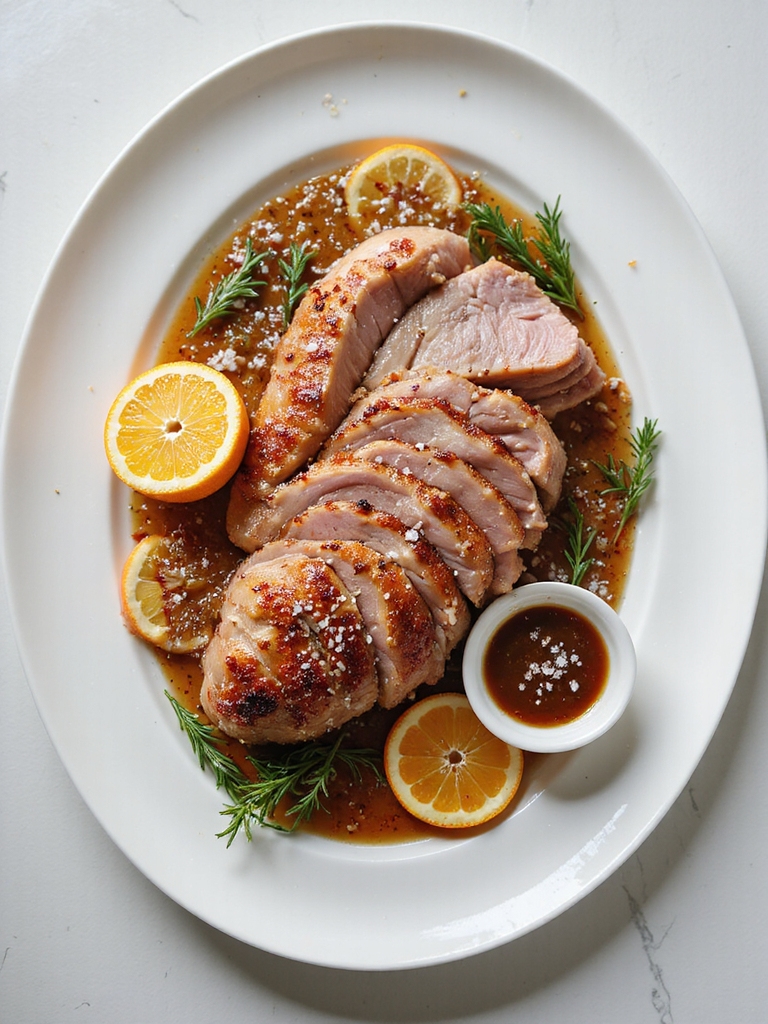
After resting your pork loin to let carryover cooking finish and the juices redistribute, this recipe walks you through the ideal rest time, carving approach, and serving suggestions that preserve juiciness and texture while maximizing presentation and flavor. Use a resting tent for 10–20 minutes depending on roast size, carve against the grain into even slices, finish with flaky salt and a squeeze of citrus, and serve with pan sauce or warm sides for best results.
- Rested pork loin (1–3 lb), removed from oven and tented
- Knife: sharp carving or slicing knife
- Cutting board with groove or rim
- Tongs and fork for steadying
- Flaky sea salt
- Citrus wedges (lemon or orange)
- Optional pan sauce or gravy warmed and strained
- Fresh herbs for garnish (thyme, rosemary)
- Serving platter
After removing the roast at 140–145°F and tenting loosely with foil, let it rest on a cutting board for 10–20 minutes depending on size (shorter for 1 lb, longer for 3 lb) so carryover raises the internal temp a few degrees and juices redistribute; use a sharp carving knife to slice against the grain into uniform 1/4–1/2-inch slices, arrange on a warm platter, sprinkle with flaky salt, garnish with herbs and citrus, and pass warm pan sauce on the side.
Let the roast rest undisturbed under a tent to retain heat and moisture, slice just before serving into uniform pieces against the grain, and always offer a warm pan sauce or finishing citrus to brighten the flavors. For an easy, hands-off cooking alternative, you can also prepare pork loin in an Instant Pot to achieve tender results.
Flavorful Pan Sauces and Glazes to Elevate Your Roast
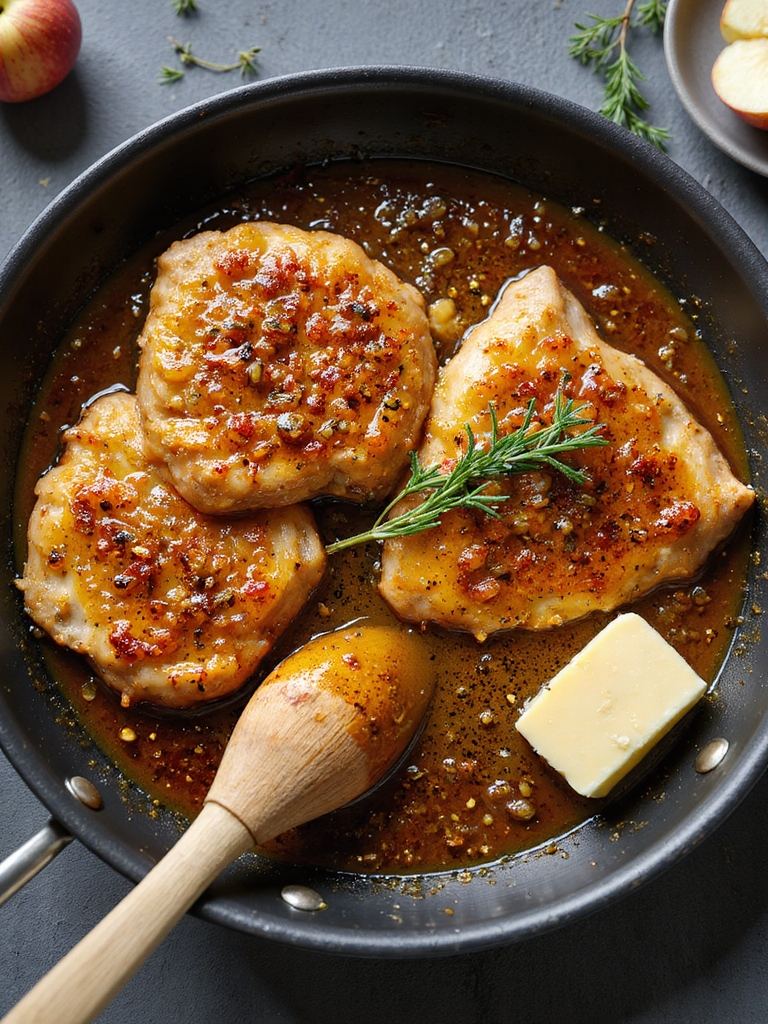
A glossy pan sauce or sticky glaze can transform a simple pork loin into a restaurant-worthy centerpiece; below is a versatile pan sauce and a sweet-savory glaze—both quick to make from the roast drippings—that balance richness with brightness and can be spooned over sliced pork or brushed on during the last minutes of roasting for caramelized flavor.
- Pork pan sauce: 2 tbsp pan drippings (or butter), 1/3 cup dry white wine or chicken stock, 1/3 cup low-sodium chicken stock, 1 tsp Dijon mustard, 1 tsp whole-grain mustard, 1 tsp honey, 1 shallot minced, 1 clove garlic minced, 1 sprig thyme, 1 tbsp cold butter, salt and black pepper to taste
- Honey-mustard glaze: 3 tbsp honey, 2 tbsp Dijon mustard, 1 tbsp apple cider vinegar, 1 tsp soy sauce, 1/2 tsp smoked paprika, pinch of cayenne (optional)
- Apple-cider pan sauce variation: substitute 1/3 cup apple cider for wine and add 1 peeled grated apple
- Optional finishing: 1 tsp lemon juice or orange zest for brightness, chopped parsley for garnish
After roasting, remove the pork to rest and place the roasting pan over medium heat, pour off excess fat leaving about 2 tbsp drippings, add minced shallot and garlic and sauté 1–2 minutes until soft, deglaze with wine or stock scraping browned bits, add mustard and honey (or apple cider), simmer 3–5 minutes until slightly reduced, swirl in cold butter off heat to finish and season to taste; for glaze, whisk honey-mustard ingredients and brush over pork during last 10 minutes of roasting, broil briefly if needed to caramelize.
Tip: Taste and adjust acidity-sweetness balance—add a splash of vinegar or citrus to cut richness or a touch more honey for sweetness, and strain the sauce for a smooth finish if desired.
Pork loin roasts offer a tender, lean cut that benefits from resting after roasting to retain juices, and savory pan sauces are a great way to enhance their flavor.
Side Dishes and Pairings That Complement Pork Loin
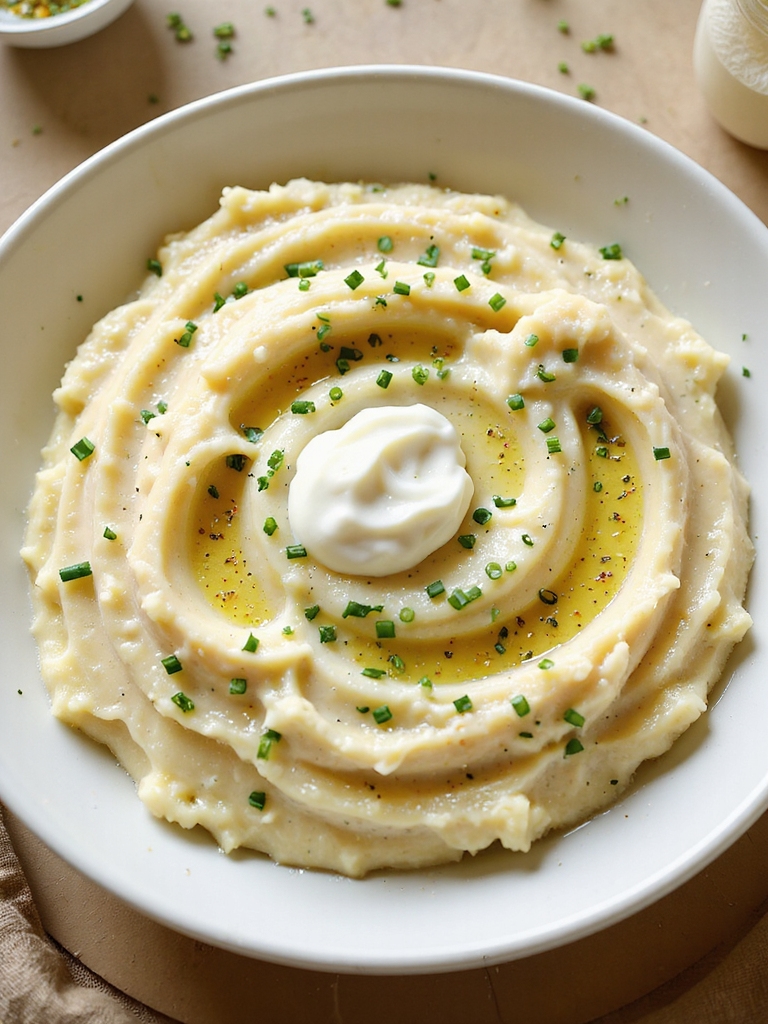
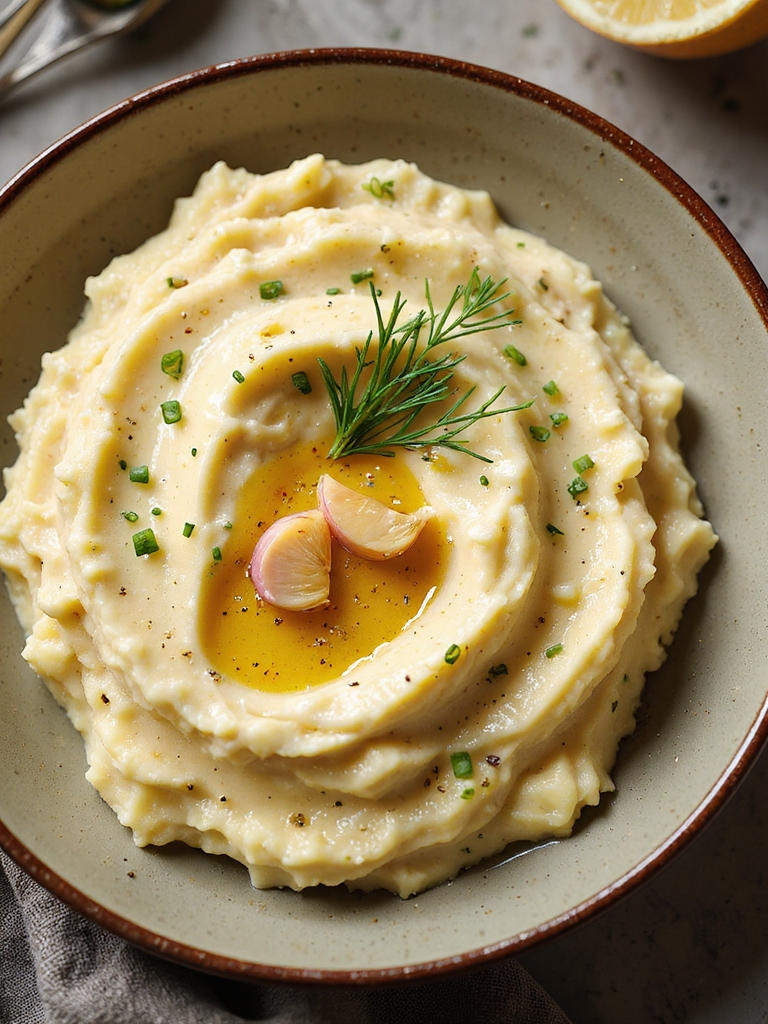
Roasted garlic mashed potatoes with chives and a touch of crème fraîche make an ideal, comforting side for pork loin, offering creamy texture and mild tang that complement the pork’s savory glaze and pan sauce; this recipe yields a smooth, flavorful mash that can be prepared while the roast rests so everything comes together warm.
- 2 pounds Yukon Gold potatoes, peeled and cut into 1–2 inch chunks
- 1 head garlic
- 4 tablespoons unsalted butter
- 1/2 cup whole milk (warmed) or more as needed
- 1/4 cup crème fraîche or sour cream
- 2 tablespoons chopped fresh chives
- Salt and freshly ground black pepper to taste
- Olive oil for roasting garlic
Place the garlic head on foil, drizzle with olive oil, wrap and roast at 400°F (200°C) for 30–40 minutes until soft while boiling potatoes in salted water until fork-tender (about 15–18 minutes); drain potatoes, squeeze roasted garlic from cloves into the pot, add butter and warmed milk, mash to desired texture, stir in crème fraîche and chives, season to taste and keep warm until serving with the pork.
Tip: For extra silkiness, pass the potatoes through a ricer before folding in butter and cream, and adjust milk and seasoning after the pork pan sauce is tasted so the salt level harmonizes with the meat and sauce. A simple roast technique from Savory Baked Pork Chops can help ensure the pork remains juicy and flavorful when served with mashed potatoes.