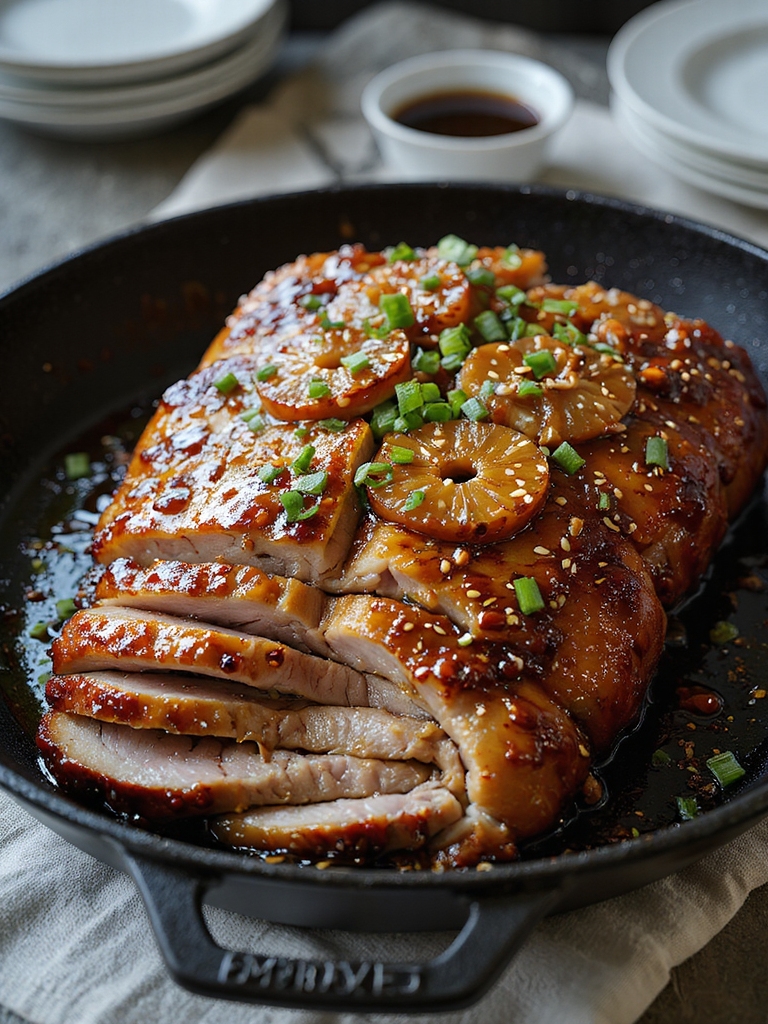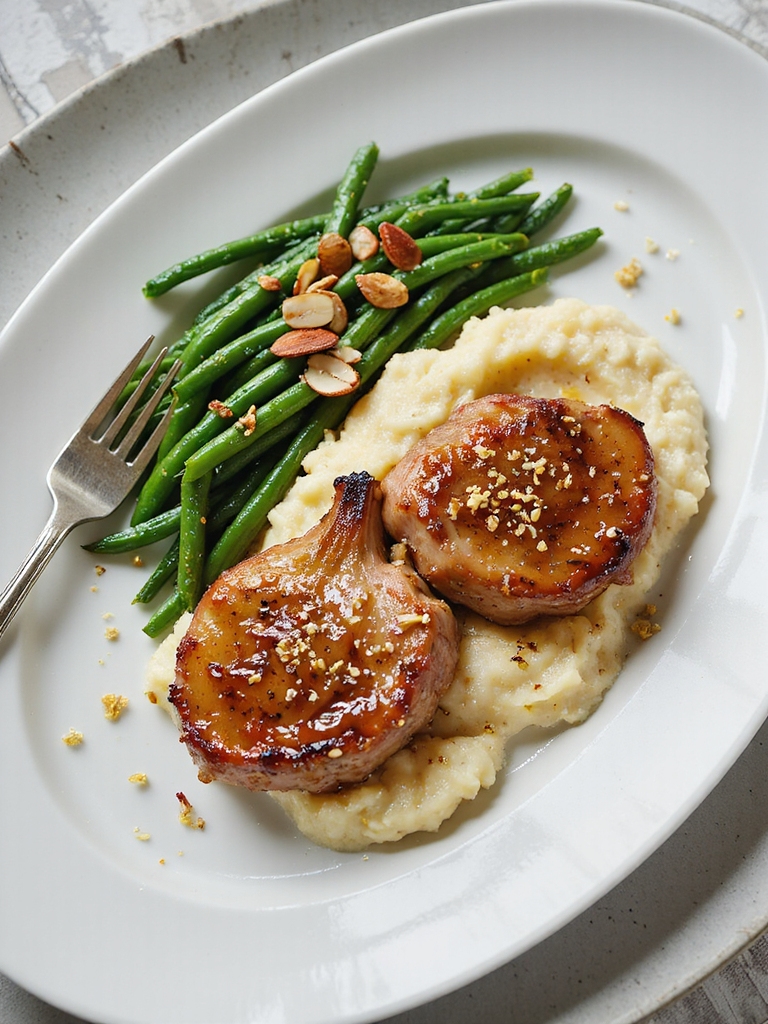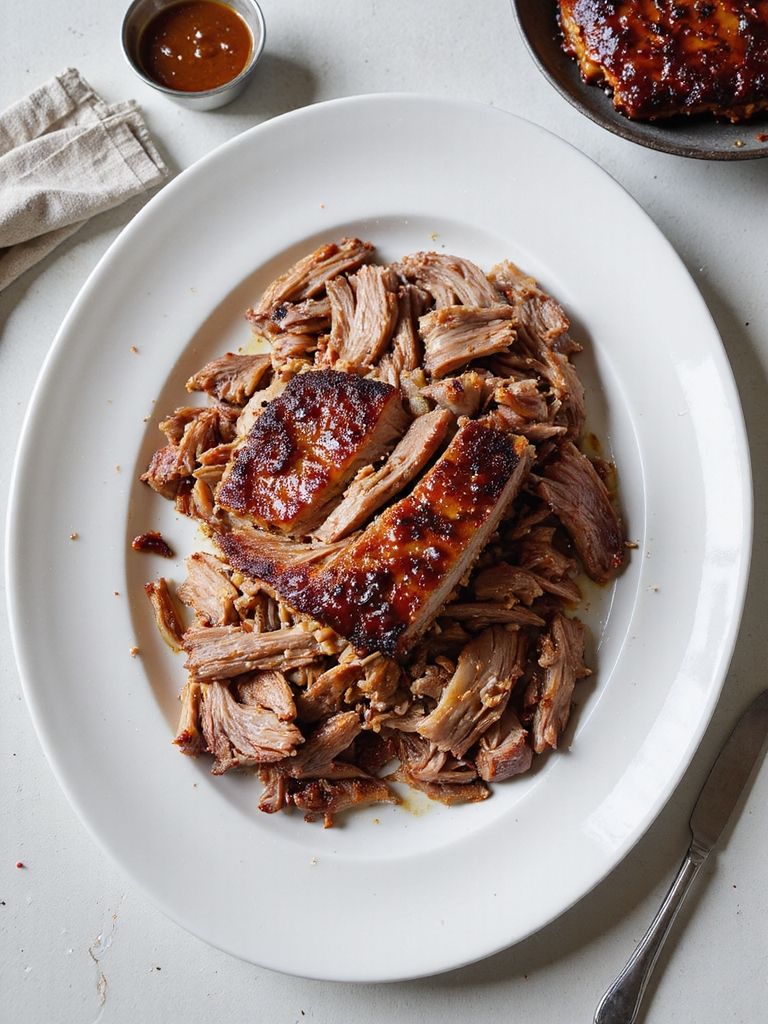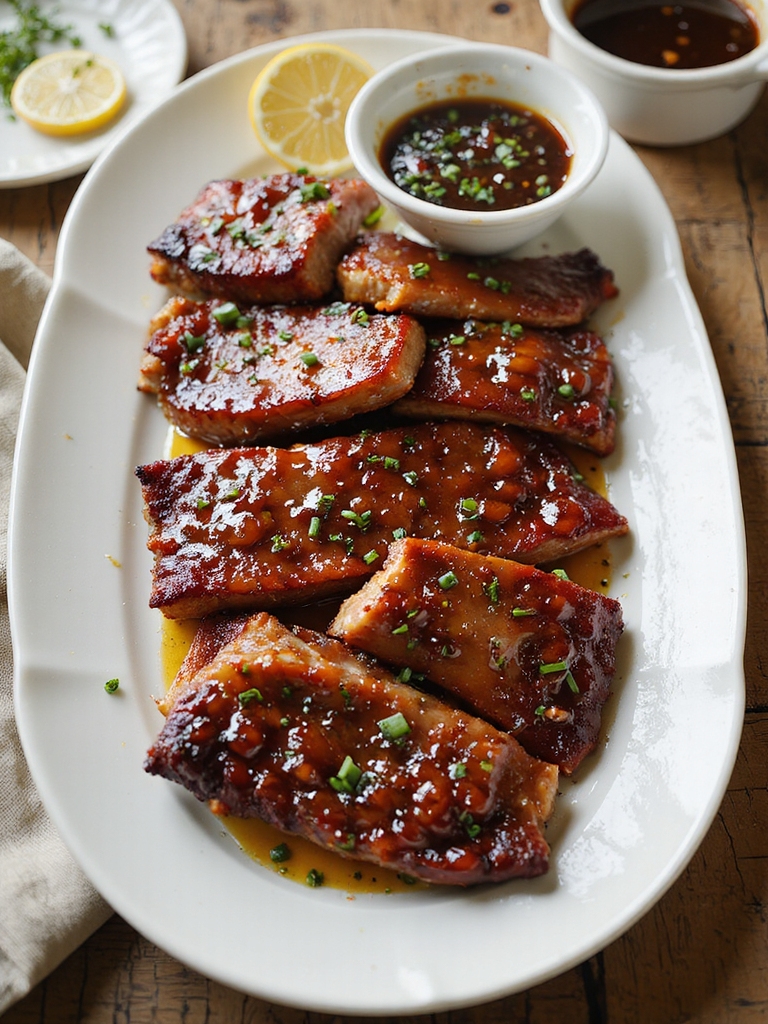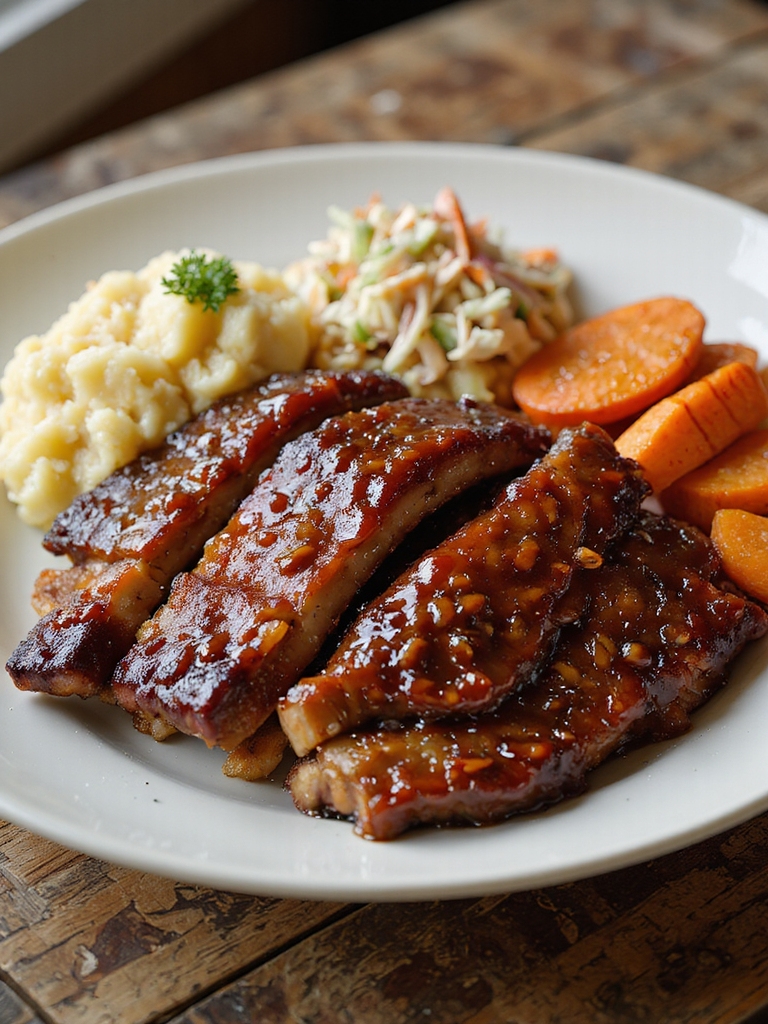

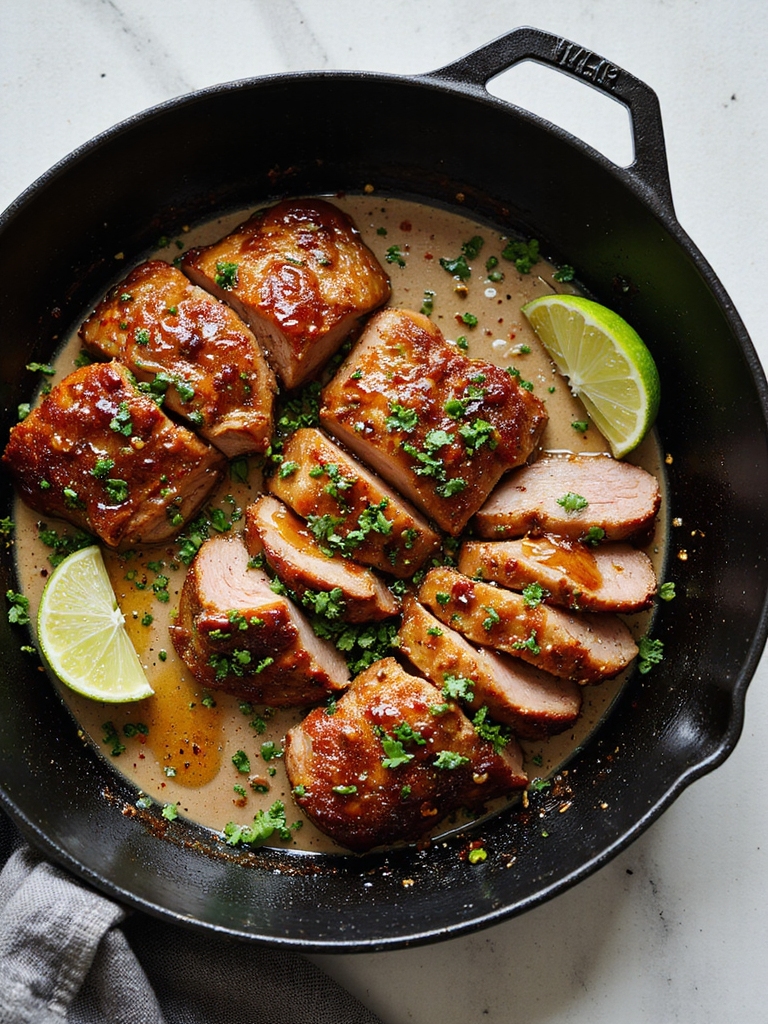
I cook pork tenderloin on busy weeknights because it’s quick, forgiving, and always feels a little special. I pat the meat dry, toss on a simple seasoning or glaze, sear it in an ovenproof skillet, then roast until just right — juicy, tender, and ready to impress without fuss.
I’ll share a handful of easy flavor ideas and practical tips that make this my go‑to dinner, plus a few finishing touches that pull everything together.
Classic Garlic and Herb Pork Tenderloin
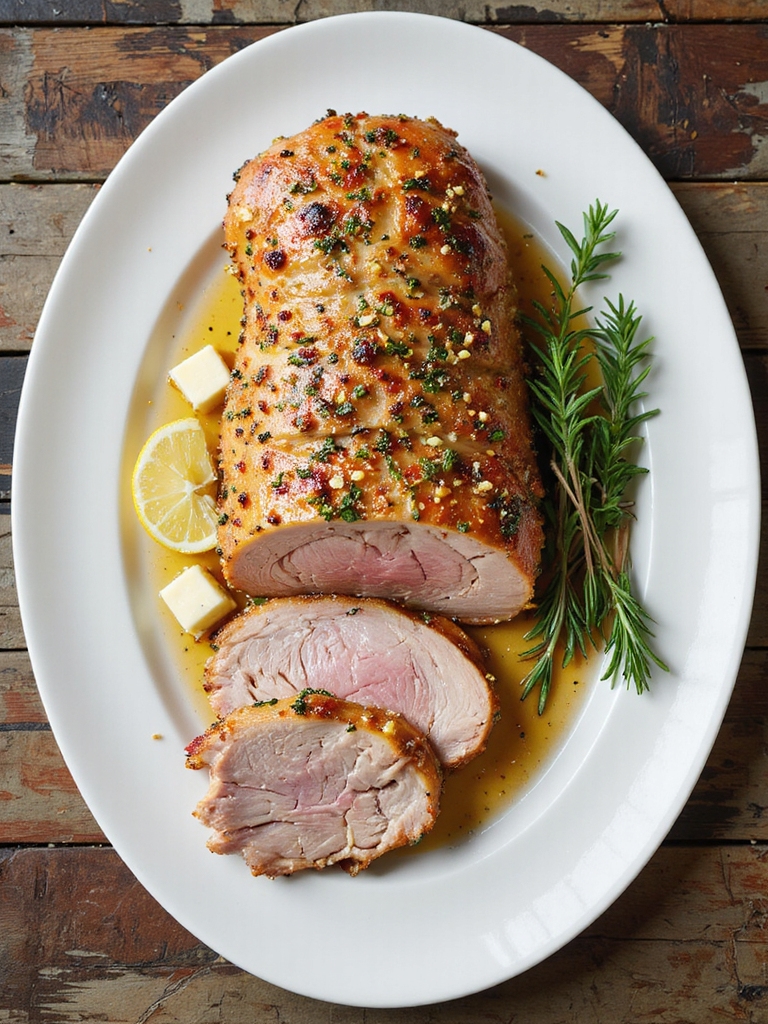
This classic garlic and herb pork tenderloin is a simple, elegant dish that pairs a juicy, tender center with a flavorful crust of garlic, rosemary, thyme, and lemon; it’s perfect for weeknight dinners or a small dinner party and cooks quickly while delivering impressive results.
- 1.5 lb pork tenderloin (trimmed)
- 3 cloves garlic (minced)
- 2 tbsp olive oil
- 1 tbsp fresh rosemary (chopped) or 1 tsp dried
- 1 tbsp fresh thyme (chopped) or 1 tsp dried
- Zest of 1 lemon
- 1 tsp kosher salt
- 1/2 tsp black pepper
- 1 tbsp Dijon mustard
- 1 tbsp butter
Preheat oven to 400°F (200°C), pat the pork dry and rub all over with olive oil, Dijon mustard, minced garlic, lemon zest, rosemary, thyme, salt, and pepper, then sear in an ovenproof skillet over medium-high heat 2–3 minutes per side until browned; transfer skillet to the oven and roast for 12–15 minutes or until internal temperature reaches 145°F (63°C).
Remove from oven, tent with foil and rest 5–10 minutes before slicing, spoon pan juices and a pat of butter over slices to finish.
Let the pork rest after roasting to retain juices and use a meat thermometer to avoid overcooking; for extra flavor, marinate the seasoned tenderloin for 30 minutes to 2 hours in the refrigerator before searing. For more inspiration, try other Best Pork Tenderloin Recipes like glazed or stuffed variations for weeknight roasts with delicious variations.
Honey-Sriracha Glazed Pork Tenderloin
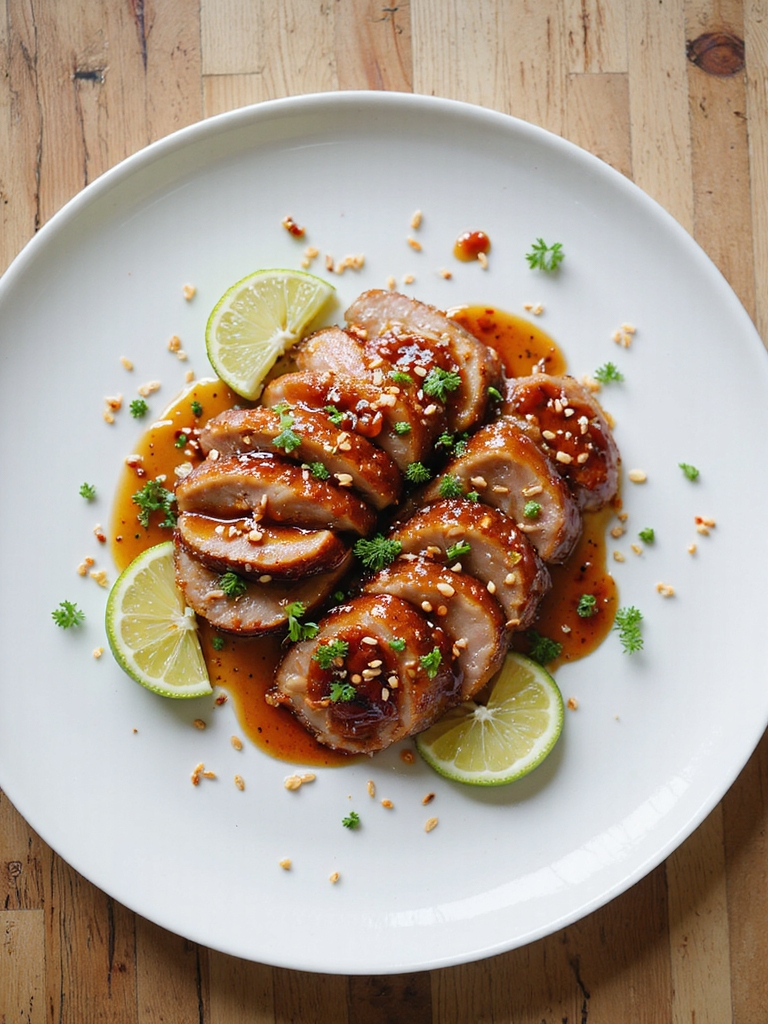
This Honey-Sriracha Glazed Pork Tenderloin balances sweet honey and bright rice vinegar with spicy Sriracha and garlic for a sticky, caramelized exterior and juicy interior; it’s quick to make, cooks in under 30 minutes, and works well for casual dinners or entertaining when you want a punchy glaze.
- 1.5 lb pork tenderloin (trimmed)
- 2 tbsp olive oil
- 3 tbsp honey
- 2 tbsp Sriracha (adjust to taste)
- 1 tbsp rice vinegar or lime juice
- 2 cloves garlic (minced)
- 1 tsp soy sauce or tamari
- 1/2 tsp kosher salt
- 1/4 tsp black pepper
- 1 tsp cornstarch mixed with 1 tbsp water (optional, for thicker glaze)
Preheat oven to 400°F (200°C); whisk honey, Sriracha, rice vinegar, garlic, soy sauce, salt and pepper in a bowl and set aside, pat pork dry and sear in an ovenproof skillet with olive oil over medium-high heat 2–3 minutes per side until browned; brush half the glaze over pork, transfer skillet to oven and roast 12–15 minutes or until internal temperature reaches 145°F (63°C), remove pork to rest 5–10 minutes while simmering remaining glaze in the skillet for 1–2 minutes and stirring in cornstarch slurry if desired to thicken, then brush or spoon glaze over sliced pork before serving.
Tip: Taste the glaze before using and adjust sweetness or heat, use a meat thermometer to avoid overcooking, and brush additional glaze on during the last few minutes of roasting for the best sticky finish.
For an alternative cooking method that’s also quick and hands-off, consider adapting this recipe for the Instant Pot to get tender results in even less time with minimal monitoring, especially useful if you prefer pressure cooking.
Lemon-Rosemary Roasted Pork Tenderloin
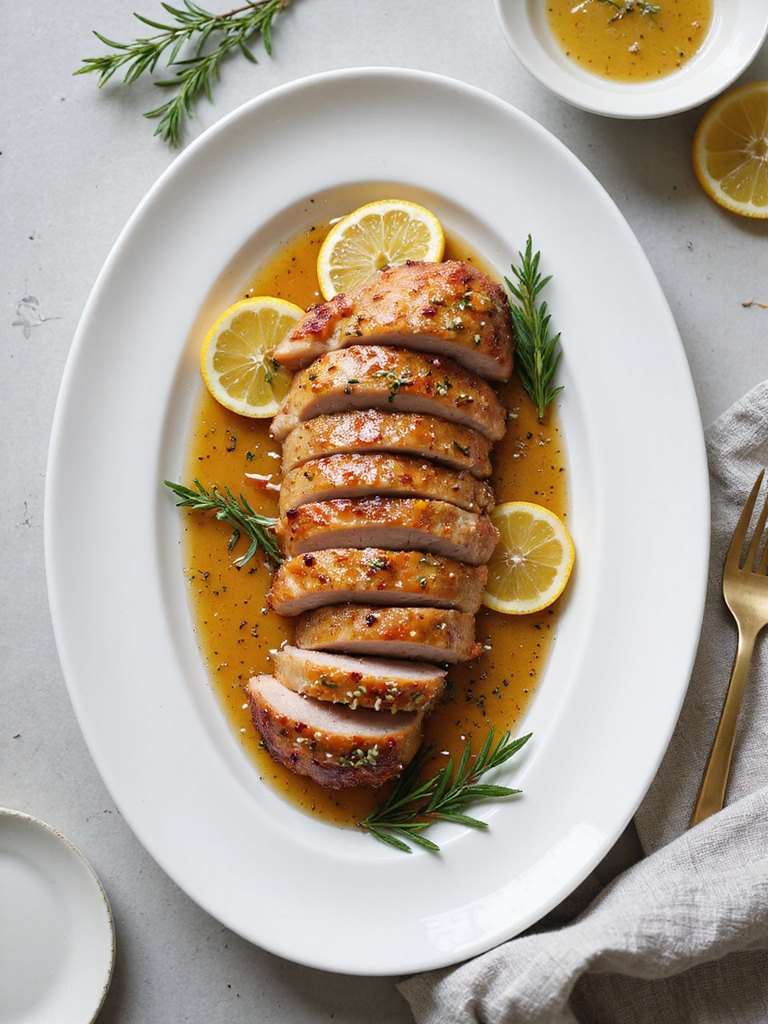
Bright, herbaceous, and simple, Lemon-Rosemary Roasted Pork Tenderloin features a zesty marinade of lemon, garlic and fresh rosemary that crisps the exterior while keeping the center tender and juicy; it’s an elegant weeknight or entertaining main that takes about 30–35 minutes total and pairs well with roasted vegetables or a light salad.
- 1.5 lb pork tenderloin (trimmed)
- 2 tbsp olive oil
- Zest and juice of 1 lemon (about 2 tbsp juice)
- 2 cloves garlic, minced
- 1 tbsp fresh rosemary, finely chopped (or 1 tsp dried)
- 1 tsp Dijon mustard
- 1/2 tsp kosher salt
- 1/4 tsp black pepper
- 1/2 tsp honey or maple syrup (optional)
- 1 tsp cornstarch mixed with 1 tbsp water (optional, for a quick pan sauce)
Preheat oven to 400°F (200°C); whisk olive oil, lemon zest and juice, garlic, rosemary, Dijon, salt, pepper and honey in a bowl, marinate pork for 15–30 minutes if time allows, then heat an ovenproof skillet over medium-high heat and sear tenderloin 2–3 minutes per side until golden; brush with a little marinade, transfer skillet to oven and roast 12–18 minutes until an instant-read thermometer inserted into the thickest part reads 145°F (63°C).
Remove to a cutting board, tent and rest 5–10 minutes before slicing; meanwhile deglaze the skillet with 1/4 cup chicken broth or white wine, simmer and stir in cornstarch slurry if desired to thicken, then spoon sauce over sliced pork.
Tip: Pat the pork dry before searing for a better crust, use a meat thermometer to avoid overcooking, and let the tenderloin rest so juices redistribute for the juiciest slices.
Pork tenderloin is a lean, tender cut that benefits from quick roasting and rests well before slicing to preserve its juices, making it one of the most popular cuts for home cooks who want lean protein in weeknight meals.
Maple-Dijon Pork Tenderloin
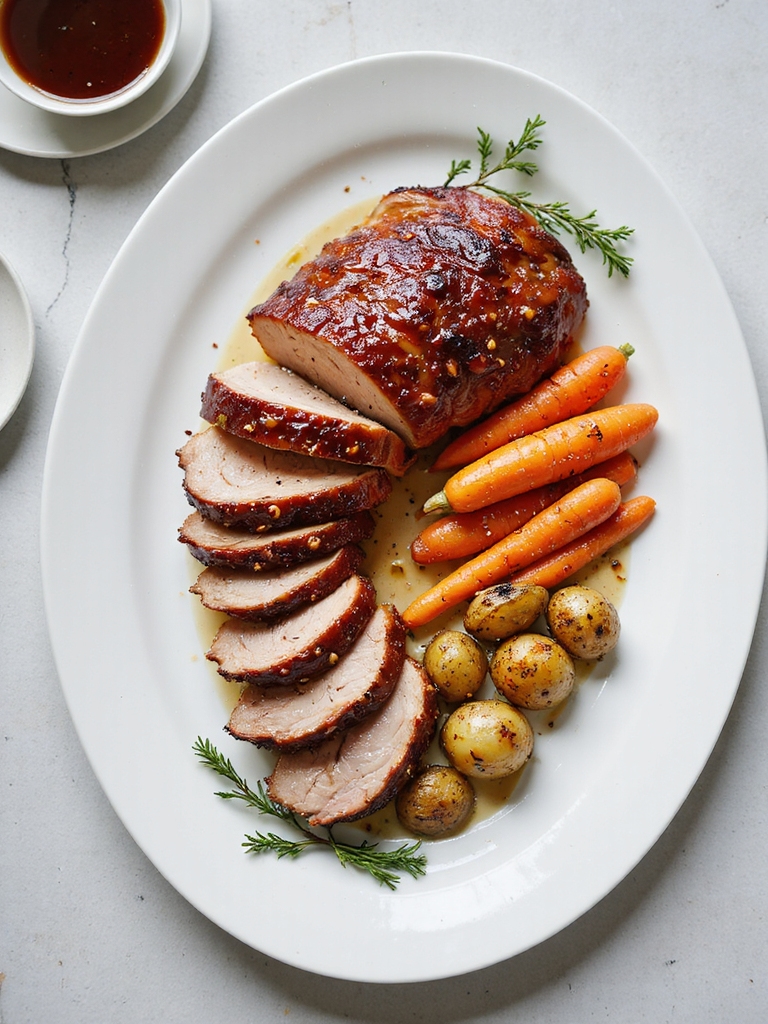
Maple-Dijon Pork Tenderloin balances sweet maple and tangy Dijon with a touch of garlic and mustard seeds for a glossy, flavorful crust that keeps the meat tender; it’s quick to prepare, cooks in about 25–30 minutes, and is excellent with roasted root vegetables or a simple green salad.
- 1.5 lb pork tenderloin (trimmed)
- 2 tbsp pure maple syrup
- 2 tbsp Dijon mustard
- 1 tbsp olive oil
- 1 clove garlic, minced
- 1 tsp whole grain mustard or 1/2 tsp mustard seeds (optional)
- 1/2 tsp kosher salt
- 1/4 tsp black pepper
- 1/2 tsp smoked paprika (optional)
- 1 tsp apple cider vinegar or lemon juice
- 1 tbsp butter (for finishing, optional)
Whisk maple syrup, Dijon, olive oil, garlic, whole grain mustard, vinegar, salt, pepper and smoked paprika in a bowl and marinate the pork 15–30 minutes if possible; preheat oven to 400°F (200°C), heat an ovenproof skillet over medium-high, pat pork dry and sear 2–3 minutes per side until golden, brush with extra glaze, transfer skillet to oven and roast 12–18 minutes until an instant-read thermometer reads 145°F (63°C), rest 5–10 minutes before slicing and spoon pan juices or a knob of butter over slices.
Tip: Patting the pork dry before searing, using a meat thermometer to pull at 145°F, and letting it rest guarantee a good crust and juicy slices; any leftover glaze can be reduced in the skillet for a quick sauce. Roasted pork tenderloin is a versatile weeknight roast that pairs especially well with roasted vegetables.
Smoky Paprika and Cumin Pork Tenderloin
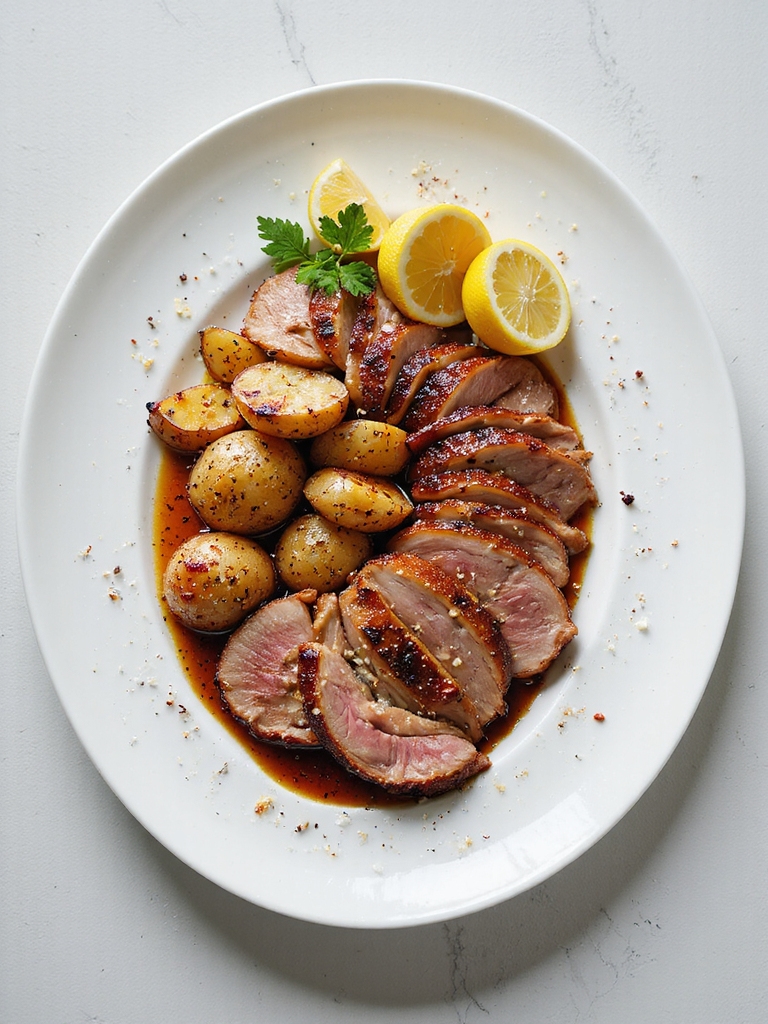
Smoky Paprika and Cumin Pork Tenderloin brings bold, warm spices and a touch of char to a tender, quick-roasting cut; a spice rub of smoked paprika, ground cumin, garlic and a hint of brown sugar and lemon zest forms a fragrant crust that pairs beautifully with roasted potatoes, a simple slaw, or wilted greens.
- 1.5 lb pork tenderloin, trimmed
- 2 tsp smoked paprika
- 1 tsp ground cumin
- 1/2 tsp ground coriander (optional)
- 1 tsp brown sugar or maple syrup
- 1 clove garlic, minced or 1/2 tsp garlic powder
- 1/2 tsp kosher salt
- 1/4 tsp black pepper
- 1/4 tsp cayenne (optional, for heat)
- 1 tsp lemon zest and 1 tbsp lemon juice
- 1 tbsp olive oil
- 1 tbsp butter (optional, for finishing)
Preheat oven to 400°F (200°C); whisk paprika, cumin, coriander, brown sugar, garlic, salt, pepper, cayenne, lemon zest and oil, pat pork dry and rub all over with the spice mixture, then heat an ovenproof skillet over medium-high and sear the tenderloin 2–3 minutes per side until deeply browned; brush with lemon juice, transfer skillet to oven and roast 12–18 minutes until an instant-read thermometer hits 145°F (63°C), rest 5–10 minutes before slicing.
Tip: Patting the meat dry, not over-salting, using a thermometer to pull at 145°F, and resting the pork guarantee a crisp crust and juicy interior; finish with a knob of butter or a squeeze of lemon for extra richness. This recipe is perfect for weeknight roasting and pairs especially well with oven-roasted potatoes.
Balsamic Fig and Shallot Pork Tenderloin
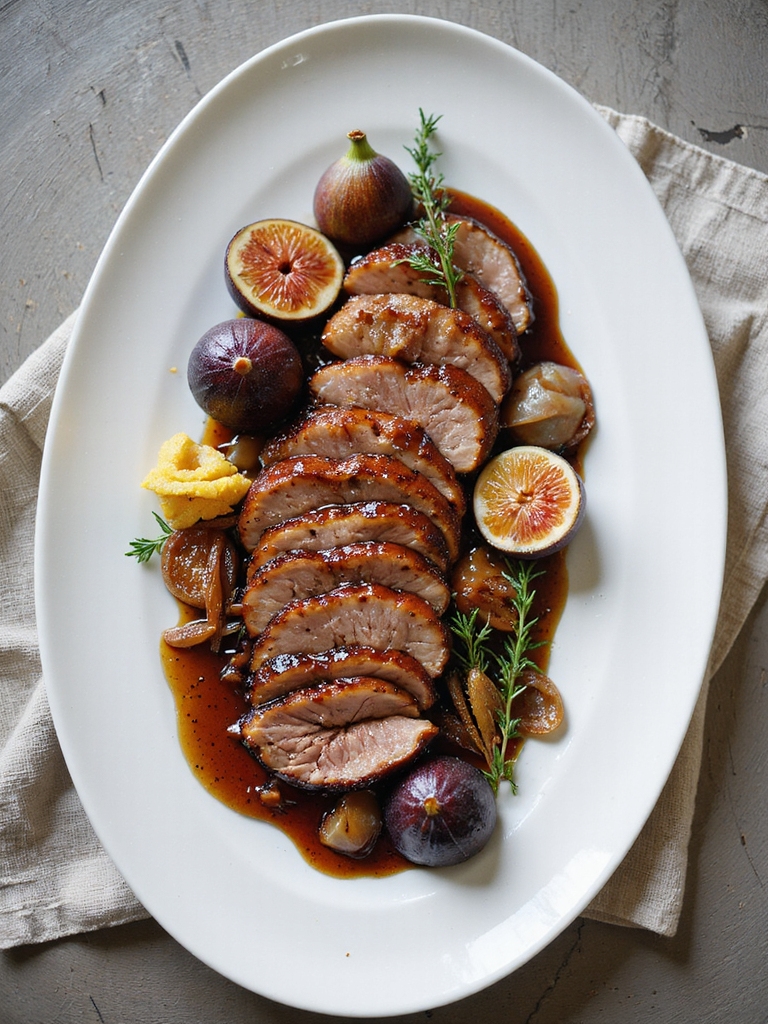
Balsamic Fig and Shallot Pork Tenderloin balances sweet, tangy fig and balsamic flavors with the savory depth of caramelized shallots to glaze a tender, quick-roasting pork loin; the fruitiness of dried or fresh figs concentrates into a glossy pan sauce that complements roasted vegetables, creamy polenta, or a simple green salad.
- 1.5 lb pork tenderloin, trimmed
- 1 tbsp olive oil
- 2 medium shallots, thinly sliced
- 1/2 cup dried figs, stemmed and chopped (or 3–4 fresh figs, quartered)
- 1/3 cup balsamic vinegar
- 1/4 cup low-sodium chicken stock or water
- 1 tbsp honey or maple syrup
- 1 tsp Dijon mustard
- 1/2 tsp fresh thyme leaves (or 1/4 tsp dried thyme)
- 1/2 tsp kosher salt, plus more to taste
- 1/4 tsp black pepper
- 1 tbsp butter (optional, for finishing)
- Lemon zest from 1/2 lemon (optional)
Pat the pork dry and season with salt and pepper; heat oven to 400°F (200°C), warm oil in an ovenproof skillet over medium-high and sear the tenderloin 2–3 minutes per side until golden, transfer to a plate while you reduce heat to medium and sauté shallots 4–5 minutes until softened.
Add chopped figs, balsamic, stock, honey and mustard and simmer 4–6 minutes until the figs soften and the sauce thickens slightly, return the pork to the skillet, spoon some glaze over it and roast in the oven 10–15 minutes more until an instant-read thermometer reads 145°F (63°C).
Rest 5–10 minutes, slice and spoon remaining figs and pan sauce over the pork, finishing with butter and lemon zest if using.
Tip: Use an instant-read thermometer to avoid overcooking (145°F target) and adjust balsamic and honey balance to taste, simmer the sauce long enough to soften figs and concentrate flavors for a glossy glaze.
This recipe adapts well for a pressure-cooker finish when time is tight, and you can find reliable Instant Pot techniques to convert oven roast timings and searing steps.
Asian-Inspired Hoisin-Ginger Pork Tenderloin
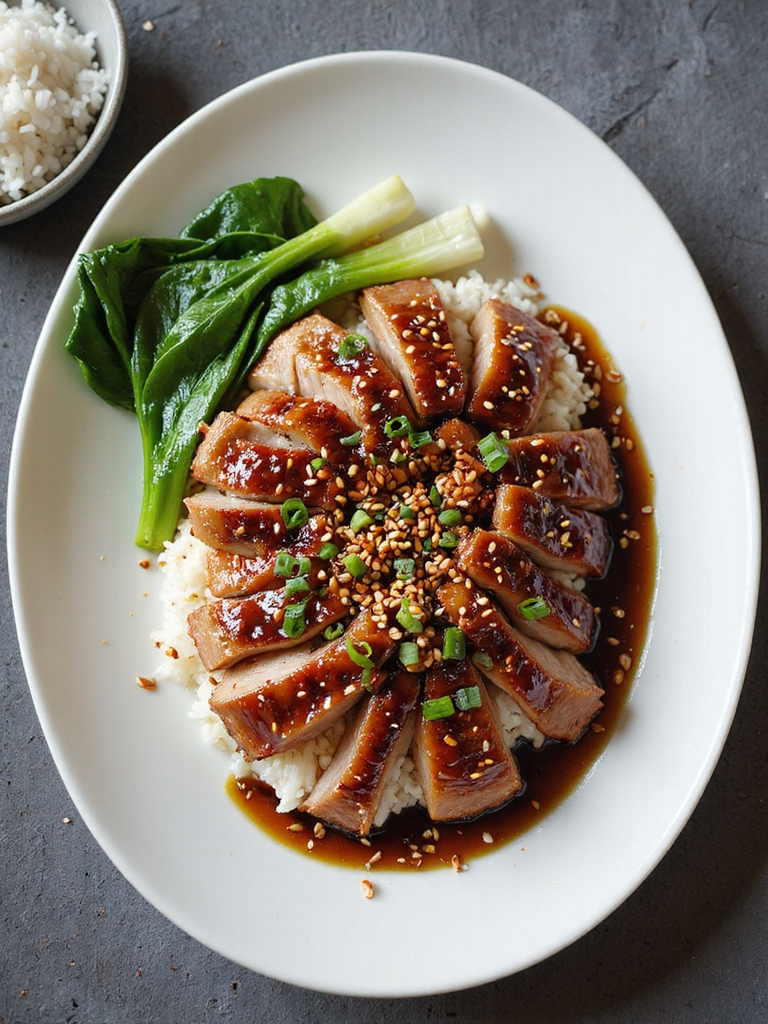
This Asian-Inspired Hoisin-Ginger Pork Tenderloin marinates tender pork in a savory-sweet hoisin and ginger glaze, then sears and roasts it to juicy perfection while a quick pan sauce of scallions, sesame, rice vinegar and a touch of chili brightens the dish; serve sliced over steamed rice or noodles with crunchy vegetables for contrast.
- 1.5 lb pork tenderloin, trimmed
- 3 tbsp hoisin sauce
- 2 tbsp low-sodium soy sauce
- 2 tbsp rice vinegar
- 1 tbsp grated fresh ginger
- 2 cloves garlic, minced
- 1 tbsp honey or brown sugar
- 1 tsp sesame oil
- 1 tsp chili paste or Sriracha (optional)
- 2 tbsp vegetable or neutral oil, divided
- 3 scallions, thinly sliced (white and green separated)
- 1 tbsp toasted sesame seeds
- 1/4 cup low-sodium chicken stock or water
- 1 tsp cornstarch (optional, for thickening)
- Salt and black pepper to taste
Pat the pork dry and season lightly with salt and pepper, whisk together hoisin, soy, rice vinegar, ginger, garlic, honey, sesame oil and chili paste and reserve 3 tablespoons of the marinade for glazing and sauce, pour the remainder over the pork in a zip-top bag or shallow dish and marinate 30 minutes to 4 hours in the refrigerator.
Heat 1 tablespoon oil in an ovenproof skillet over medium-high and sear the tenderloin 2–3 minutes per side until browned, transfer to a plate, add remaining oil, pour in reserved glaze and chicken stock, bring to a simmer and stir in cornstarch if using to thicken, return pork to skillet, spoon glaze over it and roast at 400°F (200°C) for 10–15 minutes until an instant-read thermometer reaches 145°F (63°C), rest 5–10 minutes, slice and spoon pan sauce over the pork, finish with scallion greens and sesame seeds.
Let the pork marinate at least 30 minutes (up to overnight) for deeper flavor, use an instant-read thermometer to avoid overcooking, adjust sweetness/heat to taste, and if your sauce is too thin reduce it over medium heat or thicken with a cornstarch slurry for a glossy finish. For extra variety, try serving with seared pork loin chops for a heartier meal and different cooking methods to explore textures and flavors.
Orange-Mustard Cranberry Pork Tenderloin
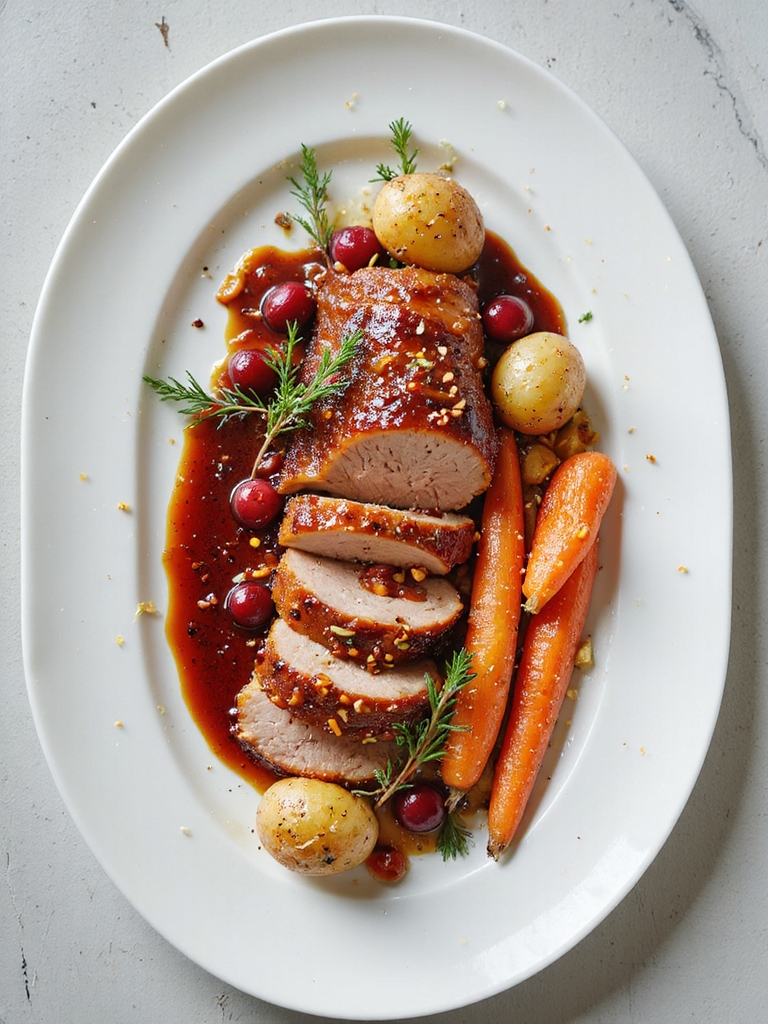
This Orange-Mustard Cranberry Pork Tenderloin pairs bright citrus and sharp Dijon with a touch of tart cranberry for a festive, lightly sweet glaze that caramelizes beautifully on a tenderloin; it’s easy to prepare for weeknight dinners or holiday menus and finishes with a glossy sauce and optional fresh herbs for brightness.
- 1.5 lb pork tenderloin, trimmed
- 1/2 cup fresh or frozen cranberries
- 1/3 cup orange juice (fresh preferred)
- 2 tbsp orange zest (from 1–2 oranges)
- 2 tbsp Dijon mustard
- 1 tbsp whole-grain mustard (optional)
- 2 tbsp honey or maple syrup
- 1 tbsp apple cider vinegar or white wine vinegar
- 1 tsp soy sauce or tamari (optional)
- 1/2 tsp crushed red pepper flakes (optional)
- 2 tbsp olive oil, divided
- 1 small shallot, finely chopped
- 1/2 cup low-sodium chicken stock or water
- 1 tsp cornstarch mixed with 1 tbsp water (optional, for thickening)
- Salt and freshly ground black pepper to taste
- Fresh thyme or parsley for garnish (optional)
Pat the pork dry and season all over with salt and pepper, whisk together orange juice, zest, Dijon, whole-grain mustard, honey, vinegar, soy sauce and red pepper flakes and set aside.
Heat 1 tbsp oil in an ovenproof skillet over medium-high heat and sear the pork 2–3 minutes per side until golden-brown, transfer to a plate, add remaining oil and sauté shallot 1–2 minutes, add cranberries and the orange-mustard mixture plus chicken stock and simmer until cranberries begin to burst and sauce thickens (use cornstarch slurry if desired).
Return pork to the skillet, spoon glaze over it and roast at 400°F (200°C) for 12–18 minutes until an instant-read thermometer inserted into the thickest part reads 145°F (63°C), tent and rest 5–10 minutes, slice and spoon pan sauce over the pork, garnish with thyme or parsley.
Let the pork rest after roasting so juices redistribute and the sauce can be spooned over warm slices; adjust sweetness or acidity by adding more honey or a splash more vinegar, and make the sauce ahead and reduce to your preferred thickness if you like a glossier finish. This recipe adapts easily for an air fryer tenderloin for a quicker, equally flavorful weeknight roast.
Apple-Cider and Thyme Pork Tenderloin
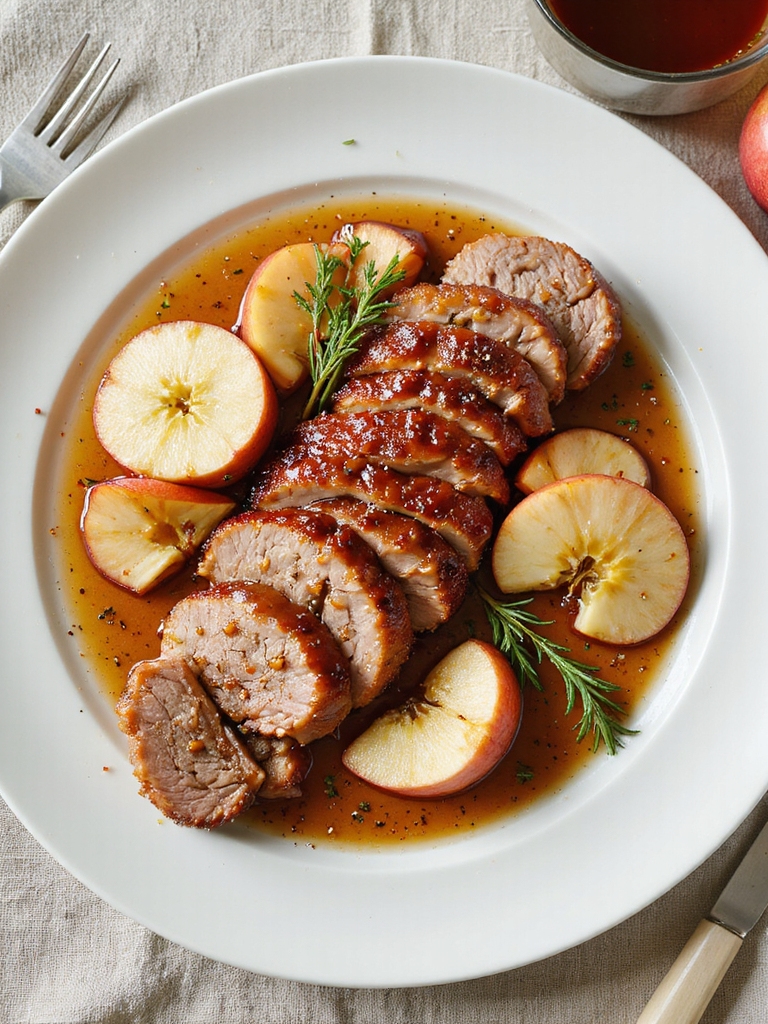
This Apple-Cider and Thyme Pork Tenderloin brings bright, sweet-tart apple cider together with savory fresh thyme and a hint of mustard and garlic to create a glossy pan sauce that complements the lean, tender pork; it’s a simple, elegant weeknight or dinner-party main that roasts quickly and finishes with a caramelized glaze and fresh herb brightness.
- 1.5 lb pork tenderloin, trimmed
- 1 cup apple cider (not vinegar)
- 2 tbsp apple cider vinegar
- 2 tbsp Dijon mustard
- 2 tbsp honey or maple syrup
- 2 cloves garlic, minced
- 1 small shallot, finely chopped
- 2 tsp fresh thyme leaves (or 1 tsp dried)
- 2 tbsp olive oil, divided
- 1/2 cup low-sodium chicken stock
- 1 tsp cornstarch mixed with 1 tbsp water (optional)
- Salt and freshly ground black pepper
Pat the pork dry and season generously with salt and pepper, whisk together apple cider, vinegar, Dijon, honey, garlic and thyme and set aside; heat 1 tbsp oil in an ovenproof skillet over medium-high heat and sear the pork 2–3 minutes per side until golden, remove to a plate.
Add remaining oil and sauté shallot 1–2 minutes, pour in the cider mixture and chicken stock, simmer until slightly reduced and cranberries not used here—until sauce thickens (add cornstarch slurry if desired), return pork to skillet, spoon glaze over it and roast in a 400°F (200°C) oven for 12–18 minutes until an instant-read thermometer reads 145°F (63°C), tent and rest 5–10 minutes before slicing and serving with pan sauce.
Let the pork rest before slicing so juices redistribute and the sauce will thicken slightly as it cools; adjust sweetness or acidity with more honey or vinegar and use fresh thyme for best flavor. This recipe works well with both pork tenderloin and pork loin roast when adjusted for size and cooking time.
Brown Sugar and Chipotle Pork Tenderloin
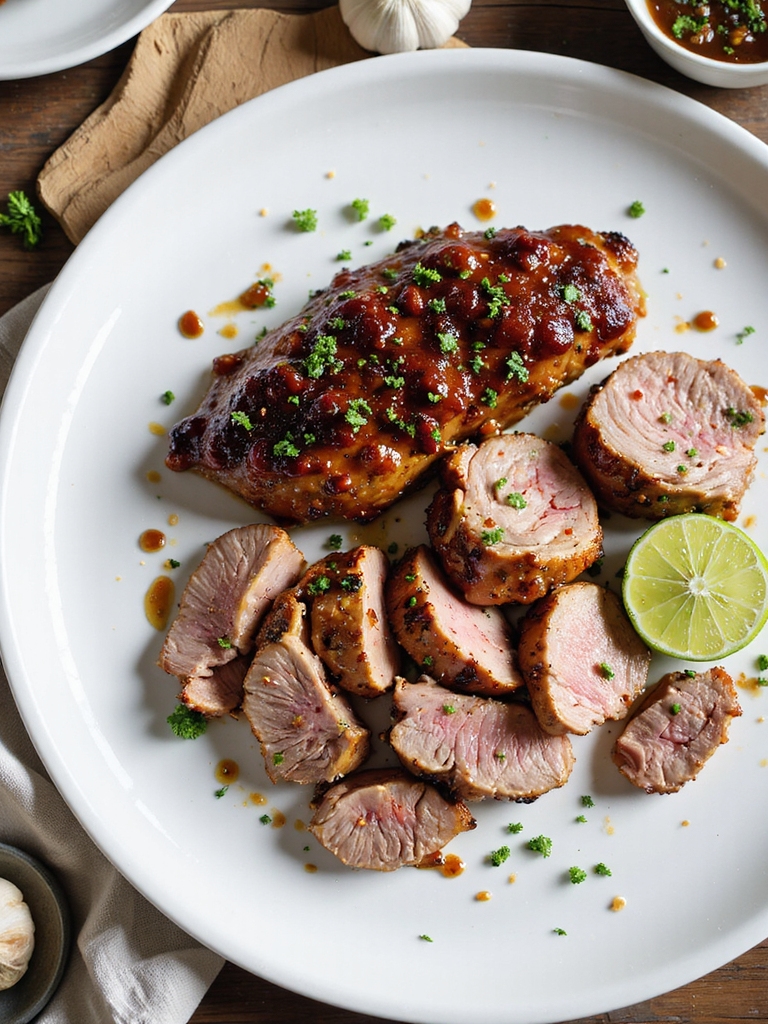
Brown Sugar and Chipotle Pork Tenderloin pairs the sweet, caramelized notes of brown sugar with smoky, spicy chipotle to create a glossy, slightly sticky glaze that complements the pork’s lean texture; this quick roast is ideal for weeknights or entertaining and balances heat with a touch of citrus and garlic for depth.
- 1.5 lb pork tenderloin, trimmed
- 2 tbsp brown sugar, packed
- 1–2 tsp chipotle powder or 1 chipotle in adobo, minced (adjust to heat preference)
- 1 tsp smoked paprika
- 1 clove garlic, minced
- 1 tbsp Dijon mustard
- 1 tbsp soy sauce or tamari
- 1 tbsp lime juice (or 2 tsp vinegar)
- 2 tbsp olive oil, divided
- Salt and freshly ground black pepper
- Optional: chopped cilantro for serving
Preheat oven to 400°F (200°C); pat pork dry, season with salt and pepper, whisk together brown sugar, chipotle, smoked paprika, garlic, mustard, soy, lime juice and 1 tbsp oil to form a paste and rub all over the pork.
Heat remaining oil in an ovenproof skillet over medium-high, sear pork 2–3 minutes per side until golden, transfer skillet to oven and roast 12–18 minutes until an instant-read thermometer reads 145°F (63°C), tent and rest 5–10 minutes while spooning any pan glaze over before slicing, adjusting heat by adding more lime or a touch of honey if too spicy.
Tip: Taste the glaze before rubbing it on—if using smoked chipotle in adobo drain and mince well, balance heat with a little extra brown sugar or lime, and always rest the pork to keep it juicy.
Pork loin and tenderloin are both popular cuts, but they differ in size and cooking method, with Pork Loin often suited for larger roasts and longer cooking times.