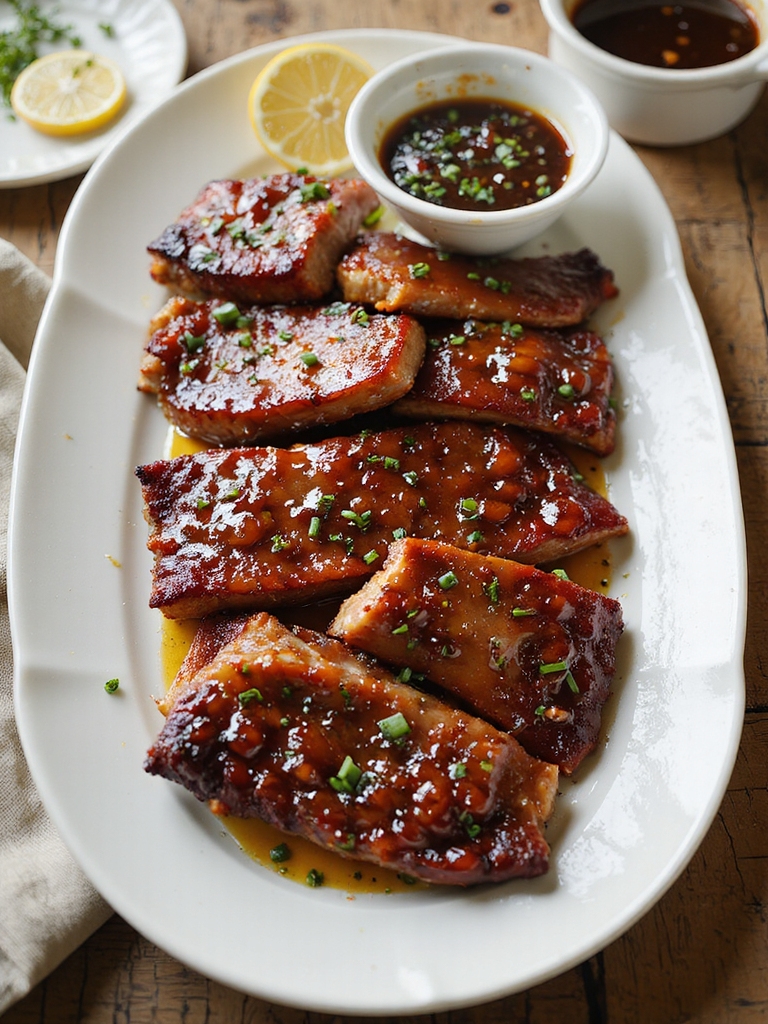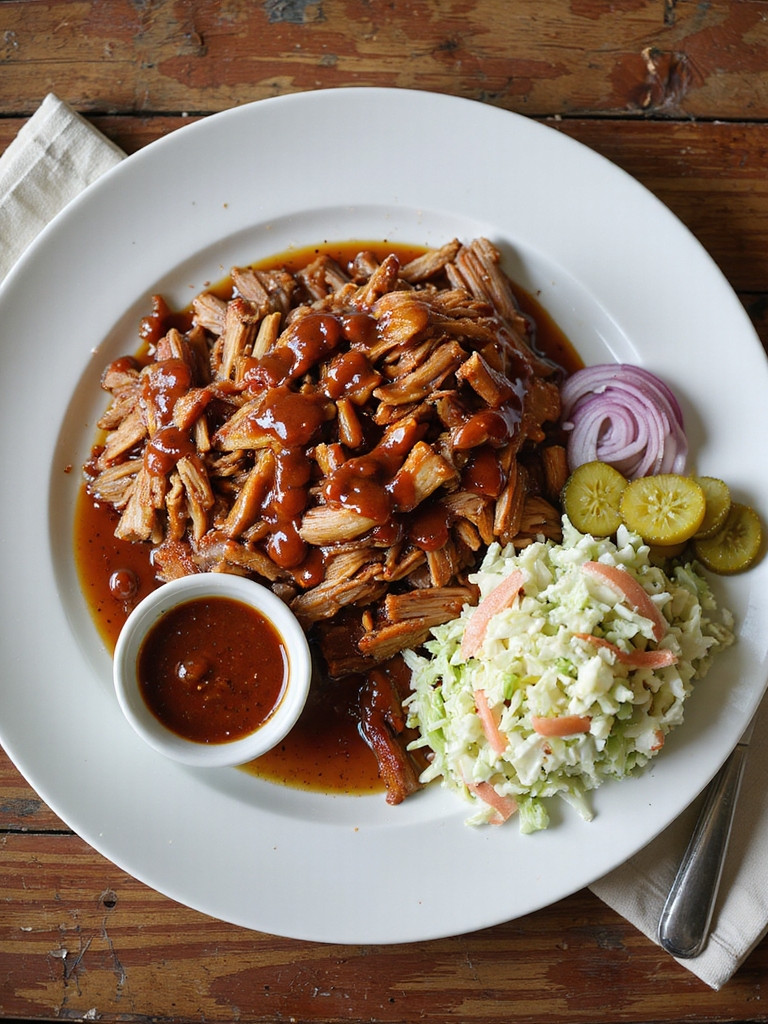

I love serving roast pork for the holidays because it’s both comforting and impressive, and I’ll show you how to make it foolproof. I’ll walk you through choosing the right cut, prepping the skin for perfect crackle, and timing the roast so it stays juicy.
You’ll learn simple tricks—brines, rubs, and a high-heat start—that mean less stress and more flavor, and I’ll also cover sauces and sides that pull the whole meal together.
Choosing the Right Cut for Your Holiday Roast
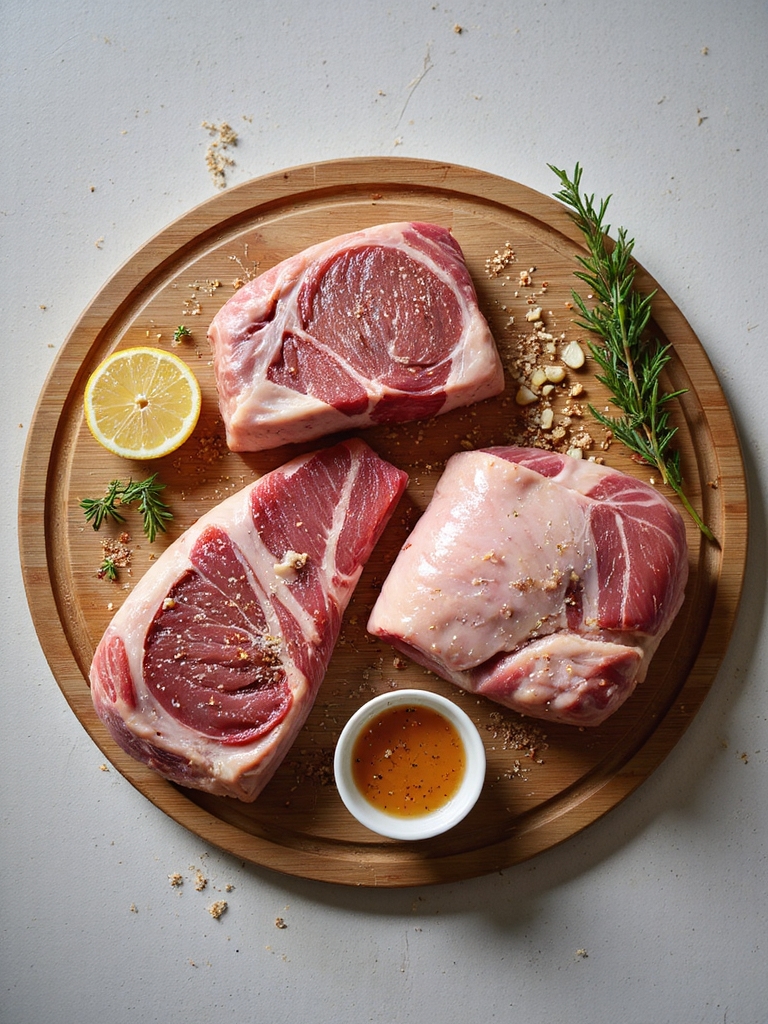
Choosing the Right Cut for Your Holiday Roast sets the tone for a successful roast pork centerpiece; whether you pick a bone-in pork shoulder for succulent shredding, a loin for a lean, tender sliceable roast, or a crown roast for showstopping presentation, choosing based on fat content, bone presence, and planned serving style will determine cooking time, seasoning approach, and resting needs to achieve moist, flavorful results.
- 4–5 lb bone-in pork shoulder (or 3–4 lb pork loin or crown roast, depending on preference)
- 2 tbsp kosher salt
- 1 tbsp freshly ground black pepper
- 2 tbsp olive oil
- 4 cloves garlic, minced
- 1 tbsp fresh rosemary, chopped (or 1 tsp dried)
- 1 tbsp fresh thyme leaves (or 1 tsp dried)
- 1 cup low-sodium chicken or pork stock
- 2 tbsp brown sugar (optional for crust)
- Zest of 1 lemon (optional)
Preheat oven to 300°F (150°C); score the fat, rub the pork all over with olive oil, salt, pepper, garlic, herbs, and brown sugar if using, sear fat-side down in a heavy skillet until browned, transfer to a roasting pan with stock, roast low and slow until internal temp reaches 195°F for shoulder (or 145°F for loin), basting occasionally, then increase heat to 425°F for 10–15 minutes if you desire a crisp crust before resting; tent loosely and rest for 20–30 minutes before carving.
Choose the cut based on how you want to serve it: shoulder for pulled pork and long braises, loin for elegant slices, and crown for presentation; always allow ample resting time, adjust cooking temps for fat content, and use a meat thermometer to avoid drying out.
For holiday meals, plan your cooking schedule and sides so the roast has time to rest and carve easily, which helps retain juices and presentation during serving.
Preparing the Pork: Trimming, Scoring, and Brining
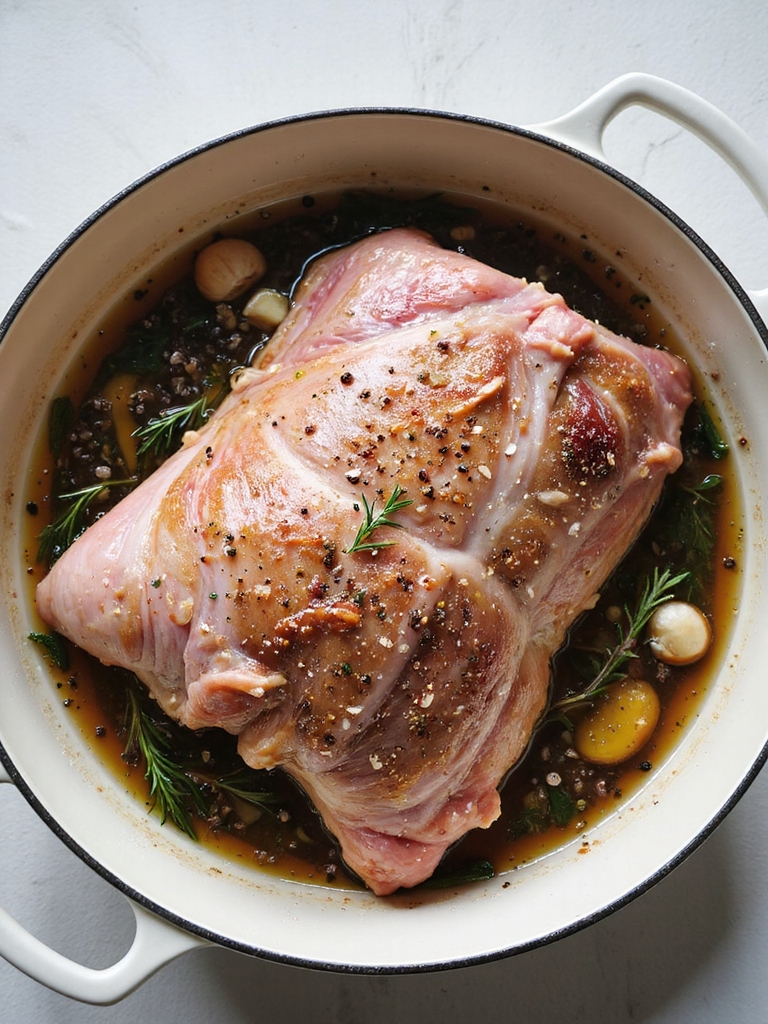
Preparing the pork properly makes the difference between a dry roast and a juicy centerpiece: begin by trimming excess fat while leaving a thin cap to baste the meat during cooking, score the fat in a crosshatch to render and crisp, and consider a simple wet or dry brine to season deeply and improve moisture retention — below is a straightforward method for trimming, scoring, and brining a bone-in pork shoulder or loin before roasting.
- 4–5 lb bone-in pork shoulder (or 3–4 lb pork loin)
- 1/4 cup kosher salt (for brine) or 2 tbsp kosher salt (for dry brine)
- 1/4 cup brown sugar (optional for brine)
- 4 cups water (for wet brine)
- 2 bay leaves
- 6 black peppercorns
- 4 cloves garlic, smashed
- 1 tbsp fresh thyme or 1 tsp dried
- 1 tbsp fresh rosemary or 1 tsp dried
- 2 tbsp olive oil
For a wet brine, dissolve salt and sugar in water with bay leaves, peppercorns, garlic, and herbs, submerge the trimmed pork in the brine, refrigerate for 8–12 hours (4–6 hours for a loin), or for a dry brine, rub kosher salt over the surface and refrigerate uncovered on a rack for 12–24 hours to dry the skin.
Before roasting, pat the pork dry, leave a thin layer of fat, score the fat in 1/2-inch diamonds without cutting into meat, rub with olive oil and seasonings, let sit at room temperature 30–60 minutes, then proceed with searing or placing directly in a low oven as per your chosen recipe.
Tips: Always pat the pork very dry before searing or roasting, use a meat thermometer to monitor internal temp (aim 195°F for shoulder pulled pork or 145°F for loin), and refrigerate brined pork uncovered briefly to help the skin dry for better browning.
For reliably tender results, consider starting the roast at a higher temperature and finishing low-and-slow to reach the target internal temperature for either pulled pork or a sliceable loin.
Essential Seasonings and Simple Dry Rubs
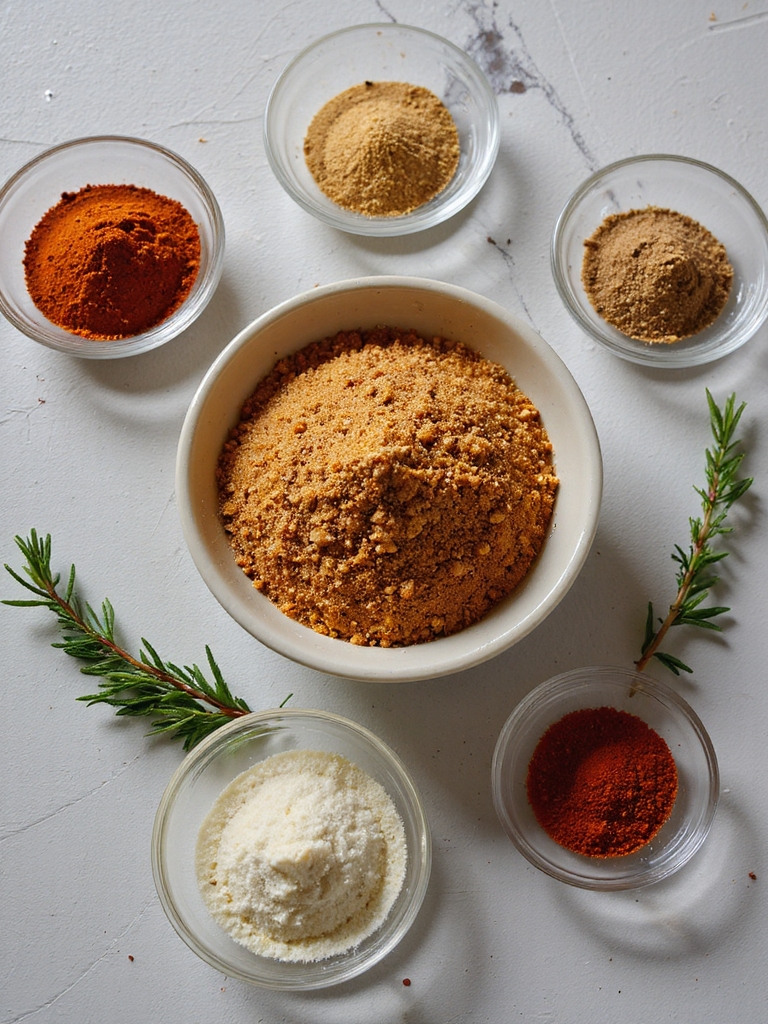
A well-balanced dry rub transforms a simple roast pork into a savory, aromatic centerpiece; this recipe offers a versatile, essential seasoning blend that works for shoulder or loin, building layers of flavor without overpowering the meat, and can be adjusted for sweetness, heat, or herbiness to suit your taste.
- 2 tbsp kosher salt
- 1 tbsp brown sugar
- 1 tbsp smoked paprika (or regular paprika)
- 1 tbsp garlic powder
- 1 tsp onion powder
- 1 tsp ground black pepper
- 1 tsp dried thyme
- 1 tsp dried rosemary, crushed
- 1/2 tsp ground cumin
- 1/4–1/2 tsp cayenne (optional, to taste)
- 2 tbsp olive oil (to help paste adhere)
Rub the pork dry with olive oil, massage the dry rub all over the surface including scored fat and crevices, refrigerate uncovered for 12–24 hours for a dry-brine effect or let rest at room temperature 30–60 minutes before roasting to allow the rub to adhere and flavors to penetrate, then roast according to your cut (145°F for loin, 195°F for shoulder) and baste or sear as desired.
Tips: Use a digital probe thermometer to avoid overcooking, adjust sugar and cayenne to your preference, and apply rub at least 30 minutes before cooking (ideally overnight) for best flavor and crust formation.
For fan-favorite results, many pitmasters also use dry rubs for pork ribs to build a well-balanced crust when finishing roasts.
Techniques for Perfect Crackling Every Time
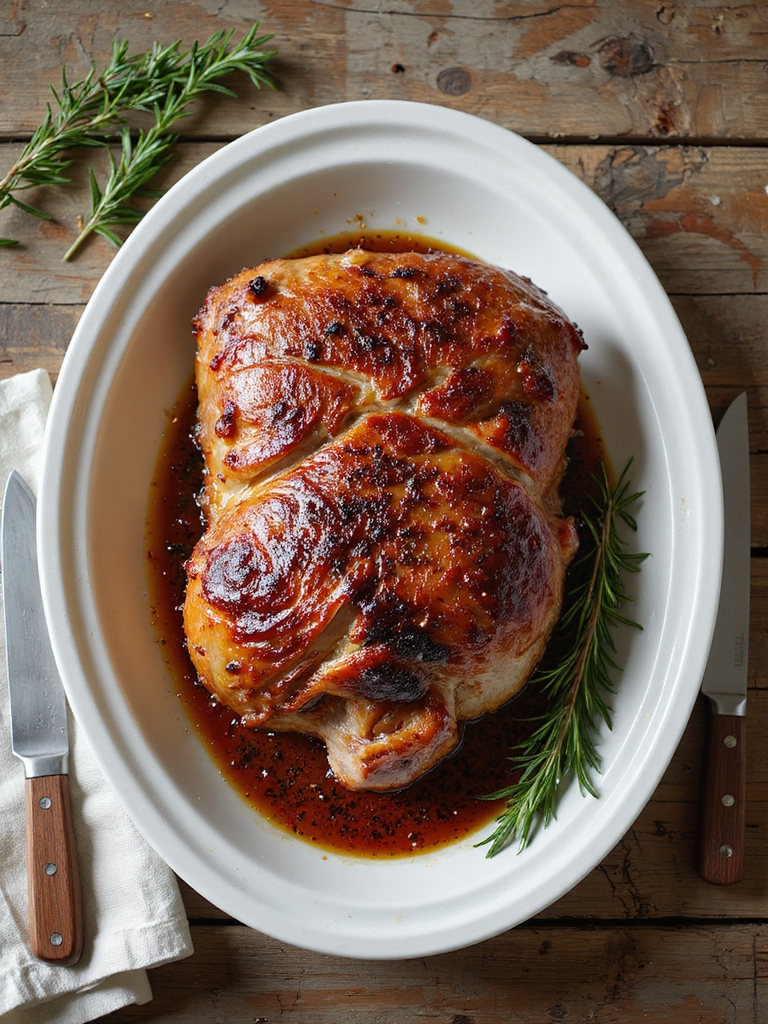
Perfect crackling is all about dry skin, high initial heat, and patience: score and dry the rind thoroughly, season well (including under the scores), start at very high heat to puff the fat and set the crust, then lower the temperature to finish cooking the meat through without burning the crackle.
- 2–3 lb boneless pork shoulder or pork belly with skin (adjust size as needed)
- Coarse kosher salt (about 1–2 tbsp)
- 1 tsp baking powder (helps crisping)
- 1 tbsp olive oil
- 1 tsp black pepper
- 1 tsp smoked paprika (optional)
- 1 tsp garlic powder (optional)
- Fresh herbs for resting (rosemary or thyme, optional)
Pat the skin completely dry with paper towels and refrigerate uncovered for at least 4 hours or overnight if possible, score the rind carefully through the skin but not into the meat, rub a thin film of oil over the skin and massage the salt-baking powder mix into the scores and surface, roast at 240–260°C (460–500°F) for 20–30 minutes until the skin starts to blister and puff, then reduce the oven to 160–170°C (325–340°F) and continue roasting until the meat reaches desired doneness (shoulder ~195°F/90°C for pull-apart, or lower for slicing), tent with foil to rest while preserving crispness.
Tip: Keep the skin dry, use coarse salt and a little baking powder, blast at high heat to puff then lower to finish the meat, and avoid covering the skin while resting to maintain crackle. A longer, low-temperature finish helps break down connective tissue and yields tender pulled pork.
Slow-Roasted Pork Shoulder for Big Gatherings
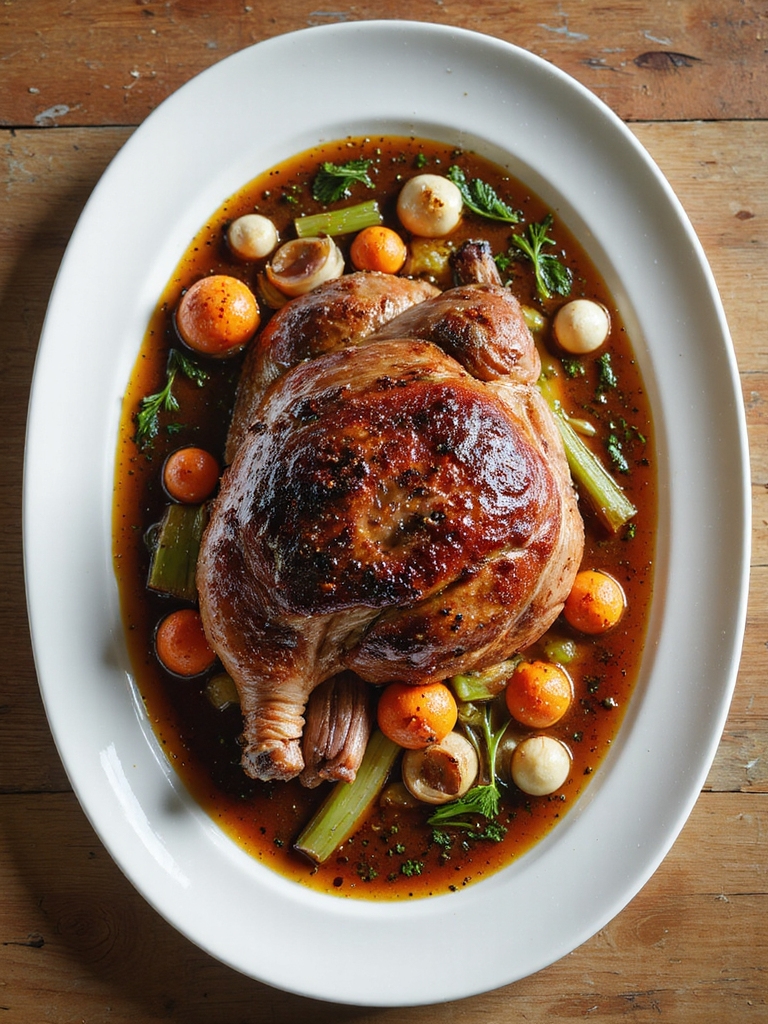
Slow-roasted pork shoulder is an ideal centerpiece for big gatherings: it yields tender, shreddable meat with deep, savory flavor and a crisp skin if desired when started hot, and it benefits from long, slow cooking to break down connective tissue and concentrate flavors—this recipe combines a flavorful dry rub, aromatic vegetables, and low-and-slow roasting with an initial blast of high heat to encourage any skin to crisp, producing juicy meat perfect for serving family-style, sandwiches, or tacos.
- 4–6 lb bone-in pork shoulder (Boston butt)
- 2 tbsp coarse kosher salt
- 1 tbsp black pepper
- 2 tbsp brown sugar
- 2 tsp smoked paprika
- 1 tsp ground cumin
- 1 tsp garlic powder
- 1 tsp onion powder
- 1 tsp dried thyme or oregano
- 2 tbsp olive oil
- 1 cup low-sodium chicken or vegetable stock
- 1 large onion, quartered
- 4 cloves garlic, smashed
- 2 carrots, rough chopped
- 2 stalks celery, rough chopped
- 2 bay leaves
- Optional: 1 tbsp cider vinegar or Worcestershire for finishing
Pat the pork shoulder dry and score the skin if present, rub the olive oil over the meat then massage the dry rub evenly over all surfaces including into any scores, place the onion, garlic, carrots, celery and bay leaves in the bottom of a large roasting pan and set the pork on a rack above them, pour the stock into the pan (not over the pork) then roast in a preheated oven at 475°F (245°C) for 20–30 minutes to encourage browning and any skin crisping.
Reduce the oven to 275°F (135°C), cover loosely with foil or a lid and roast for 4–6 hours until the internal temperature reaches about 195°F (90°C) and the meat is pull-apart tender, remove from oven and rest tented for 20–30 minutes before shredding and tossing with pan juices and a splash of cider vinegar or Worcestershire if desired.
Tip: For best results start with well-trimmed but not overly denuded fat, refrigerate uncovered overnight for drier skin if crispness is wanted, monitor internal temperature for tenderness rather than fixed time, and reserve pan juices to moisten shredded pork when serving. This method shares many techniques with classic Smoked Pork Shoulder preparations, especially in aiming for fall-apart texture and deeply developed flavor.
Elegant Pork Loin and Tenderloin Roast Methods
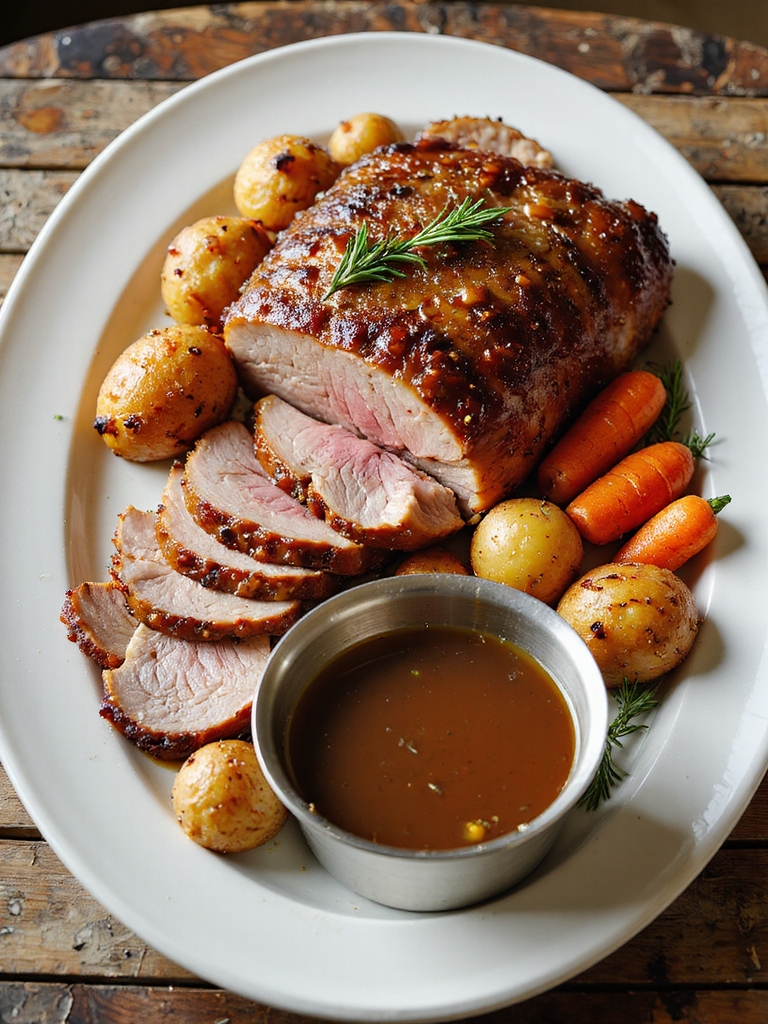
Pork loin and tenderloin are elegant, relatively lean cuts that reward careful seasoning and attention to temperature; this recipe outlines two complementary methods—roasting a whole pork loin for a centerpiece and searing then oven-finishing pork tenderloins for a quick, refined meal—both using a simple herb-garlic rub, high-heat sear for color, and resting to preserve juiciness, with optional pan jus or a mustard-honey glaze to elevate the finish.
- 2–3 lb pork loin (or two 1–1¼ lb pork tenderloins)
- 2 tbsp olive oil
- 1 tbsp Dijon mustard
- 2 tsp coarse kosher salt
- 1 tsp black pepper
- 2 tsp fresh rosemary, chopped (or 1 tsp dried)
- 2 tsp fresh thyme leaves
- 3 garlic cloves, minced
- 1 tbsp lemon zest
- 1/4 cup white wine or chicken stock
- 2 tbsp butter
- Optional glaze: 2 tbsp honey + 1 tbsp whole-grain mustard
For pork loin: preheat oven to 425°F (220°C); pat loin dry and rub with oil, mustard, herbs, garlic, lemon zest, salt and pepper, sear fat-side down in a hot ovenproof skillet 3–4 minutes to brown then transfer to oven and roast at 375°F (190°C) until internal temp reaches 135–140°F (57–60°C) for medium (about 20–25 minutes per pound), tent and rest 15–20 minutes before slicing and deglaze skillet with wine/stock and butter to make a quick jus.
For tenderloins: sear all sides in a hot skillet 2–3 minutes per side then finish in 400°F (200°C) oven 10–15 minutes to 125–130°F (52–54°C) for medium-rare, rest 5–10 minutes then slice and brush with optional honey-mustard glaze.
Tip: Use an instant-read thermometer to hit the target temps, rest the meat to distribute juices, trim silverskin from tenderloin, and adjust glaze or pan juices for sweetness/acidity to taste.
Pork loin makes a great holiday centerpiece when roasted whole and served sliced with pan jus and seasonal sides, and it’s easy to find quality cuts at local markets Pork Loin.
Flavorful Glazes, Sauces, and Basting Ideas
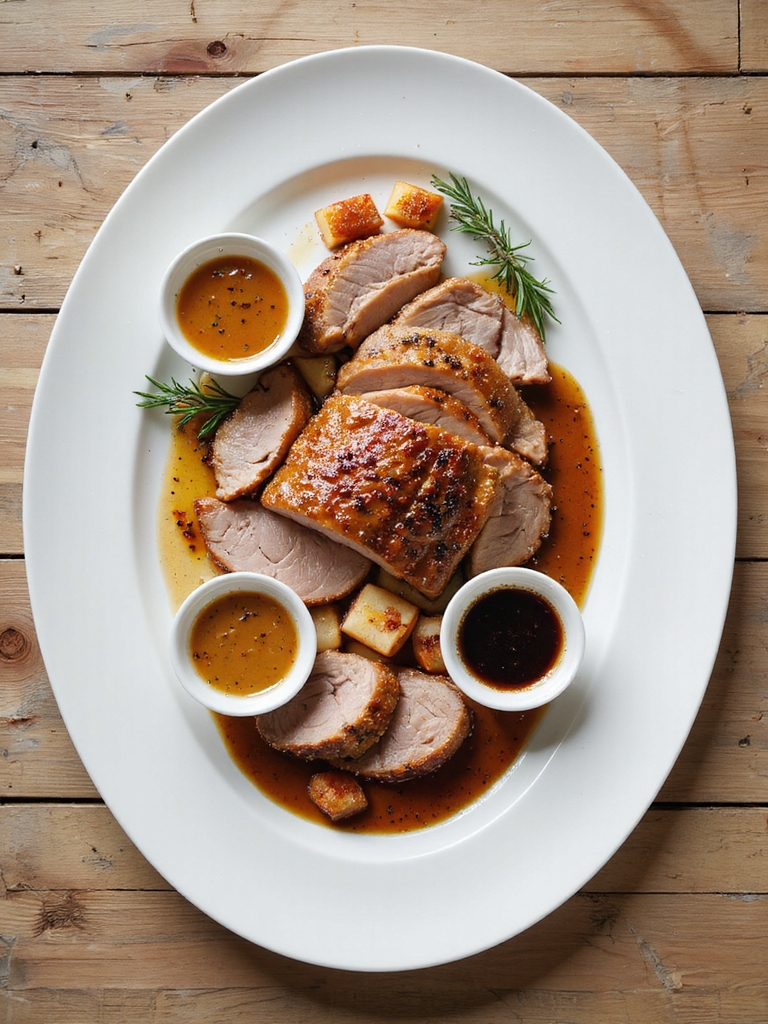
A bright honey-mustard-pan jus and a balsamic apple glaze are two complementary finishing sauces that elevate roasted pork loin or tenderloin—this recipe gives a versatile trio (mustard-honey glaze, pan jus with white wine, and a balsamic-apple reduction) and shows how to baste during roasting or brush after resting so you can tailor sweetness, acidity, or herb notes to the pork cut and your menu.
- 2–3 lb pork loin or two 1–1¼ lb pork tenderloins
- 2 tbsp olive oil
- 1 tbsp Dijon mustard
- 2 tbsp whole-grain mustard
- 2 tbsp honey
- 1/4 cup white wine or chicken stock
- 2 tbsp butter
- 1/4 cup balsamic vinegar
- 1 small apple, peeled, cored and diced
- 1 tbsp brown sugar or maple syrup
- 1 tsp fresh rosemary, chopped
- 1 tsp fresh thyme leaves
- Salt and black pepper to taste
Preheat oven and cook pork as preferred (sear then roast the tenderloin at 400°F/200°C until 125–130°F/52–54°C or roast loin at 375°F/190°C until 135–140°F/57–60°C), while pork rests make sauces: for mustard-honey glaze whisk Dijon, whole-grain mustard and honey and brush on pork in final 5 minutes of high-heat finishing or after resting; for pan jus deglaze the roasting pan with white wine or stock over medium heat, scrape browned bits, reduce slightly and whisk in butter and herbs; for balsamic-apple reduction sauté apple with brown sugar, add balsamic and simmer until syrupy then spoon over sliced pork.
Tip: Use an instant-read thermometer for precise doneness, remove silverskin from tenderloin, taste and balance each sauce for acidity versus sweetness, and always rest the meat 10–20 minutes so glazes adhere and juices redistribute. Pork’s versatility and wide appeal make it one of the best pork recipes to include on your holiday menu.
Timing, Temperature, and Resting Guidelines
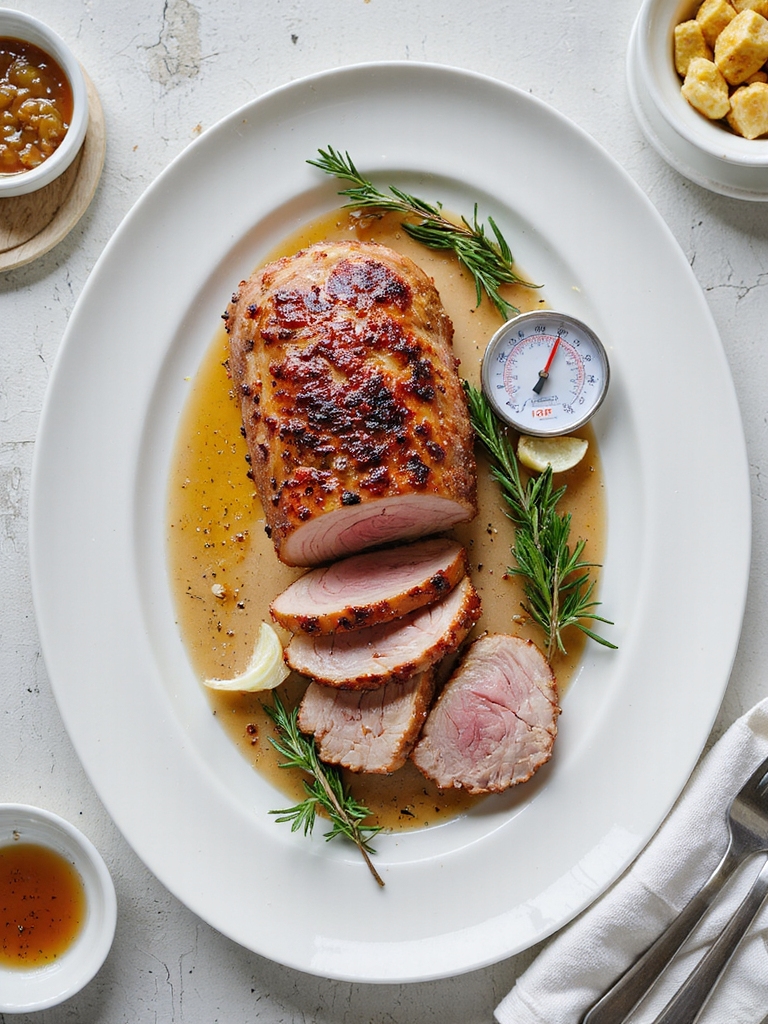
Timing, Temperature, and Resting Guidelines for roasted pork focus on hitting the right internal temperatures for safety and juiciness, bringing meat to room temperature before cooking, using searing and high-heat finishes as needed, and resting properly so carryover cooking and juice redistribution give a tender result; this recipe guides you through target temps, oven times for pork loin and tenderloin, when to baste or apply glaze, and how long to rest before slicing.
- 2–3 lb pork loin or two 1–1¼ lb pork tenderloins
- 2 tbsp olive oil
- 1–2 tsp kosher salt
- 1/2–1 tsp black pepper
- 1 tsp fresh rosemary, chopped
- 1 tsp fresh thyme leaves
- 1 tbsp Dijon mustard (optional for finishing)
- 2 tbsp whole-grain mustard (optional for finishing)
- 2 tbsp honey (optional for finishing)
- Instant-read meat thermometer
Preheat oven and let pork sit at room temperature 20–30 minutes; for tenderloin, sear in an ovenproof skillet over medium-high heat 2–3 minutes per side then roast at 400°F (200°C) until thermometer reads 125–130°F (52–54°C) for medium-rare to medium, for loin roast sear or start at 425°F (220°C) then reduce to 375°F (190°C) and roast until 135–140°F (57–60°C) pulled from oven (carryover will raise temp 5–10°F/3–6°C).
Tent loosely with foil and rest 10–20 minutes before slicing and glazing or saucing so juices redistribute and glazes adhere.
Tip: Always rely on an instant-read thermometer for doneness, remove silverskin from tenderloin beforehand, and rest the meat at least 10 minutes (longer for larger loins) to preserve juiciness and allow final glaze application.
For best results, consider starting larger pork loins at a higher temperature to develop a crust before lowering heat and finishing to the target internal temperature.
Make-Ahead Prep and Reheating Without Losing Juiciness
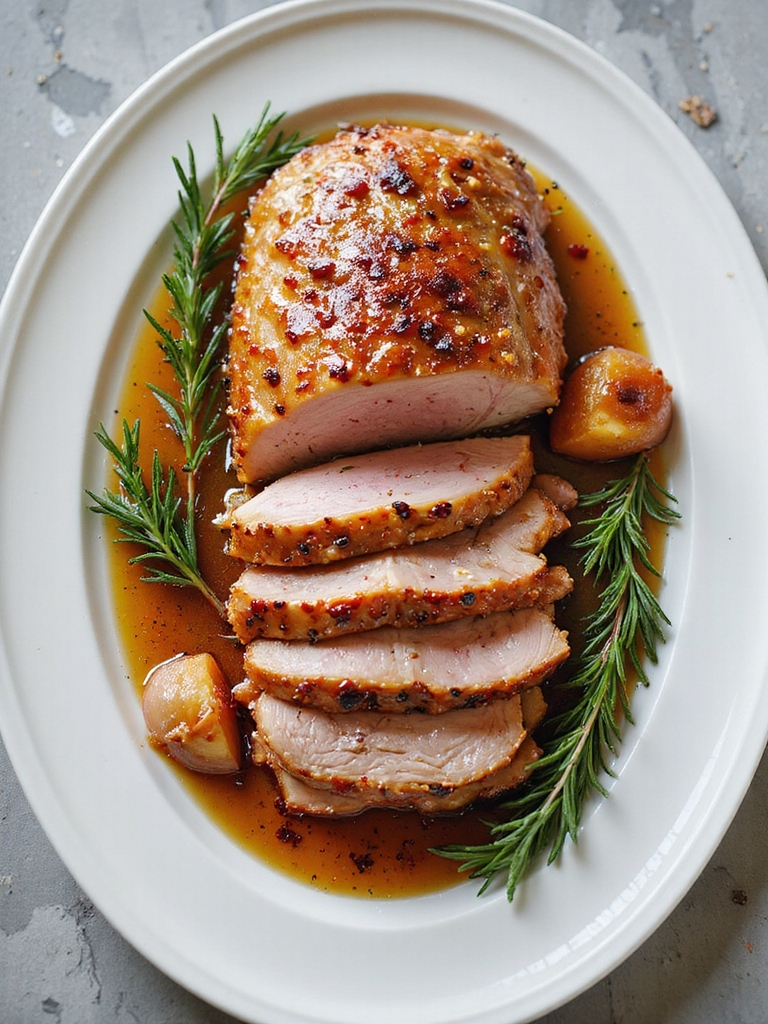
Make-ahead roast pork prep and reheating steps keep the meat juicy and flavorful by brining or seasoning ahead, roasting to just below final temp, chilling properly, and gently reheating with moisture; this recipe covers cold storage, make-ahead glazing, and two safe reheating methods (oven and sous-vide/steaming) so you can serve hot slices without drying them out.
- 2–3 lb cooked pork loin or two 1–1¼ lb cooked pork tenderloins, cooled to room temp then chilled
- 1–2 tbsp olive oil or melted butter
- 1–2 tsp kosher salt (if not brined)
- 1/2–1 tsp black pepper
- 1 tbsp Dijon mustard
- 2 tbsp whole-grain mustard
- 2 tbsp honey or maple syrup
- 1–2 tbsp apple cider or pork pan juices
- 1 sheet heavy-duty foil or vacuum bags for sous-vide
- Fresh herbs for garnish (rosemary, thyme)
- Instant-read thermometer
For make-ahead: cool roasted pork to room temp, wrap tightly and refrigerate up to 3–4 days or freeze up to 3 months.
When ready to reheat, oven method — preheat to 275°F (135°C), place pork in a baking dish with a splash of apple cider or pan juices, cover tightly with foil and heat until internal temp reaches 120–125°F (49–52°C) for serving warm.
For sous-vide/steam method — seal slices or whole roast and rewarm in a 130°F–140°F (54°C–60°C) water bath for 30–60 minutes or steam gently until warm, then finish with a quick sear or hot glaze to refresh the crust.
Tip: Always reheat slowly to just below your serving temperature to avoid overcooking, add moisture (stock, cider, butter) when reheating, and rest briefly after warming so juices settle before slicing and serving.
Pork roast is a versatile centerpiece that pairs well with roasted vegetables and fruit-based sauces, making it ideal for gatherings and holidays with savory pork roast accompaniments.
Side Dishes and Serving Suggestions to Complement Pork
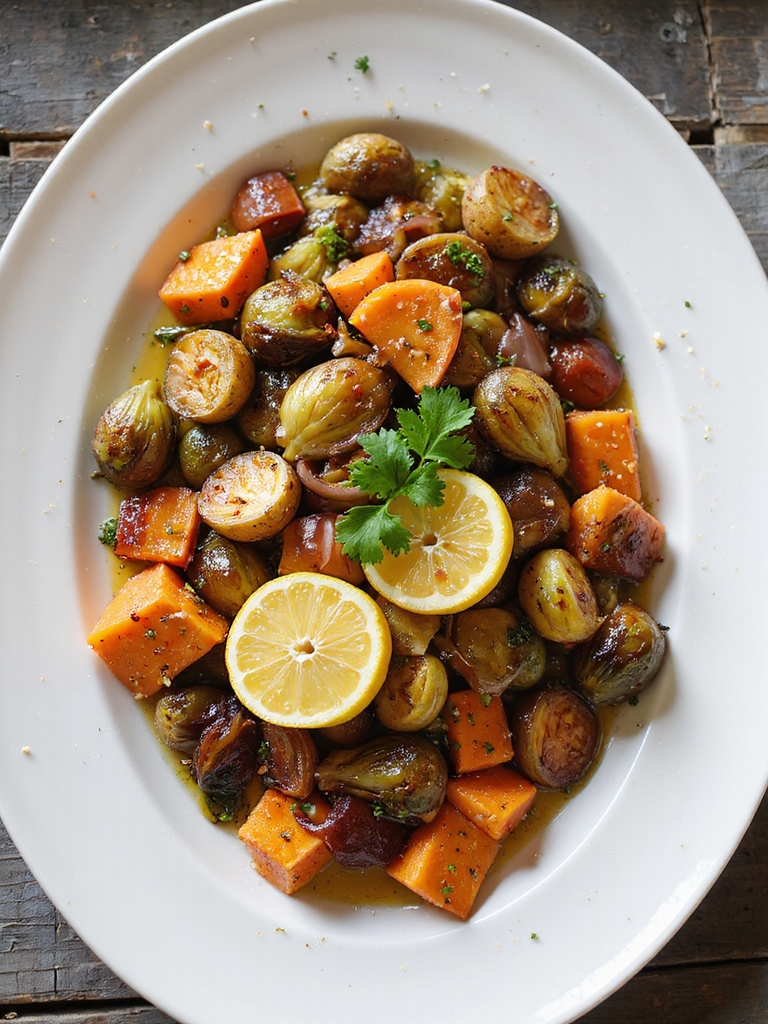
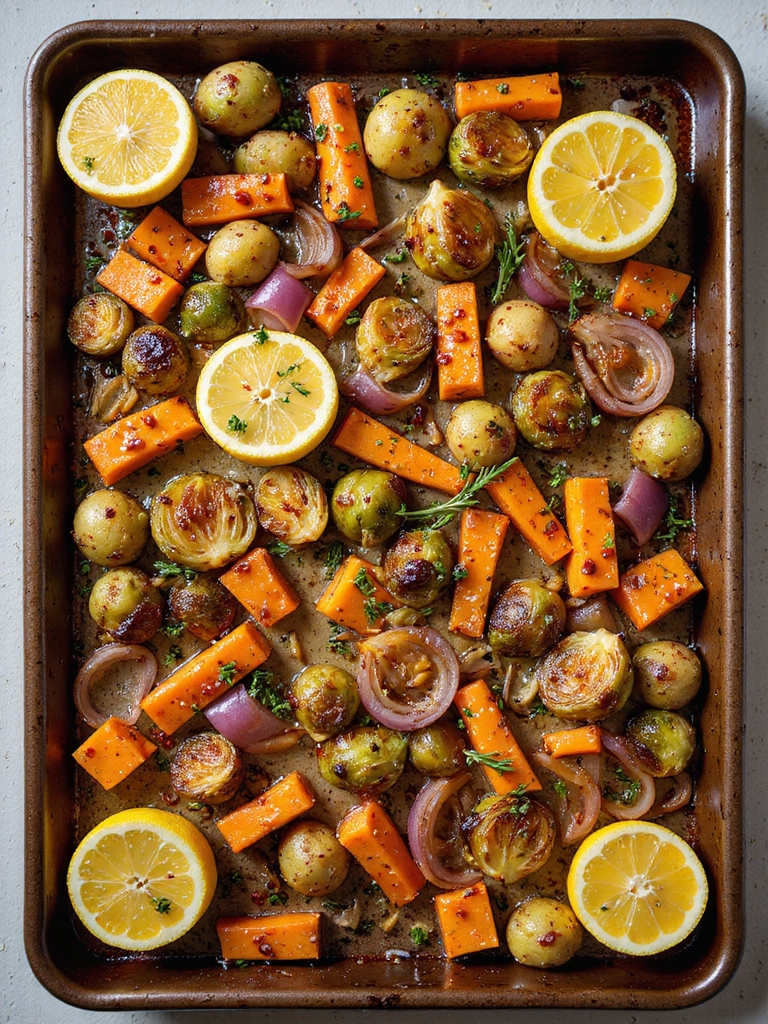
Roasted autumn vegetables with a mustard-maple glaze and herbed fingerling potatoes make an ideal side for roast pork, guaranteeing sweet, savory, and earthy flavors while offering contrasting textures and a pop of color; this single-sheet pan approach keeps prep simple, can be mostly finished ahead with reheating notes from the main recipe, and pairs well with pan juices or a mustard sauce for serving.
- 1 lb fingerling potatoes, halved lengthwise
- 1 lb Brussels sprouts, trimmed and halved
- 2 medium carrots, cut on the bias into 1/3-inch slices
- 1 red onion, cut into wedges
- 1 medium sweet potato, peeled and cut into 3/4-inch cubes
- 2 tbsp olive oil
- 1 tbsp melted butter
- 1 tbsp Dijon mustard
- 1 tbsp whole‑grain mustard
- 1 tbsp maple syrup or honey
- 1 tsp apple cider vinegar
- 1 tsp kosher salt
- 1/2 tsp black pepper
- 1 tsp fresh thyme leaves or 1/2 tsp dried thyme
- 1 tbsp chopped rosemary (optional)
- 1–2 tbsp chopped parsley for finishing
- Lemon wedges for serving
Toss potatoes with 1 tbsp oil, 1/2 tsp salt and 1/4 tsp pepper and roast at 425°F (220°C) on a rimmed sheet for 20 minutes, then add the remaining vegetables tossed with the remaining oil, butter, herbs, 1/2 tsp salt and 1/4 tsp pepper and roast until all are tender and caramelized about 18–22 more minutes, stirring once; whisk mustards, maple, and vinegar and drizzle over the vegetables in the last 5 minutes of roasting, then finish with parsley and a squeeze of lemon before serving alongside the pork.
Tip: Parboil dense potatoes and sweet potato cubes for 5–7 minutes to guarantee even doneness and save time, and keep the glaze slightly under-salted if serving with a brined pork so flavors stay balanced. Pork ribs are a classic pairing when planning backyard BBQs, and learning proper ribs-cooking techniques can elevate your holiday roast.