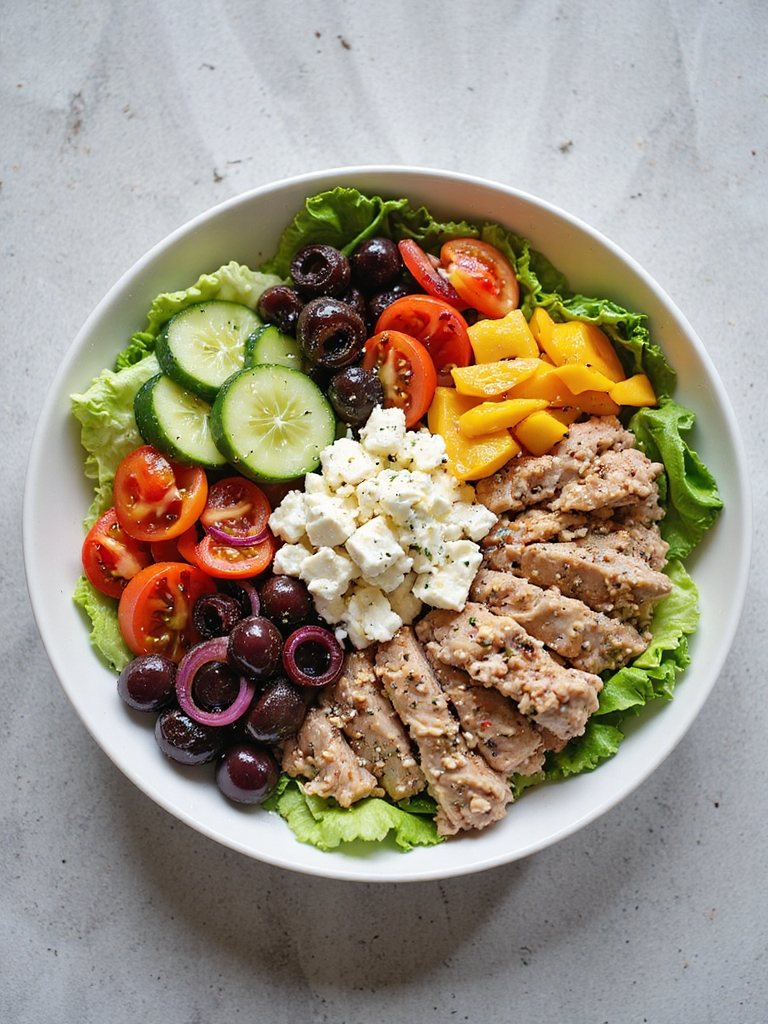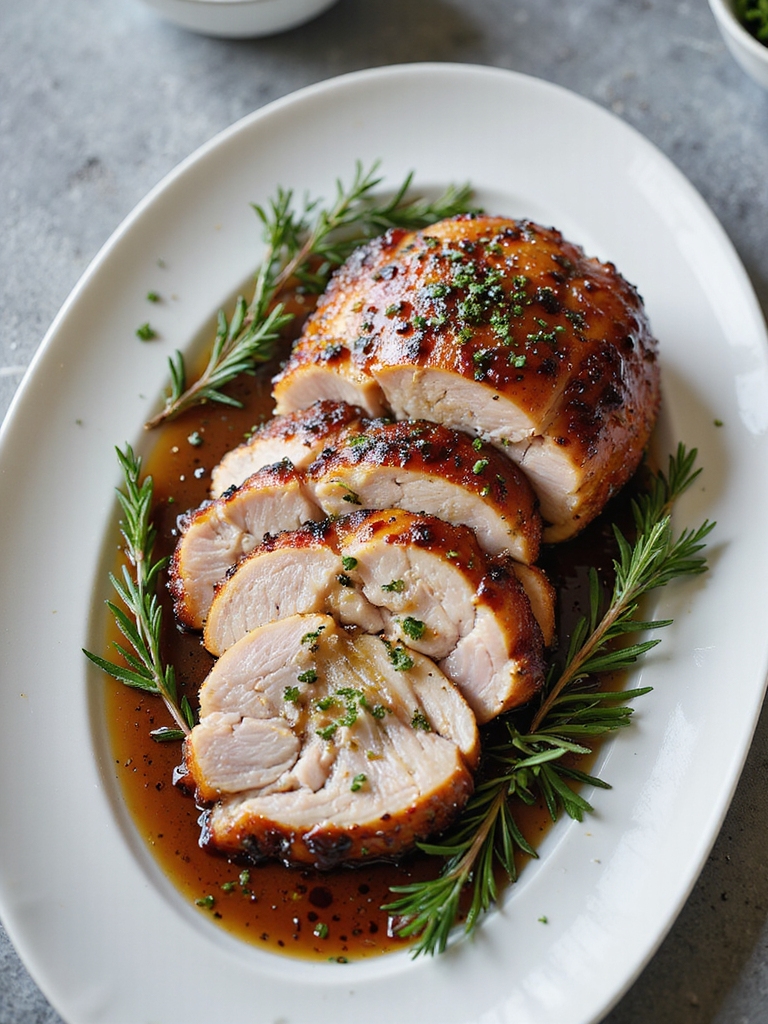

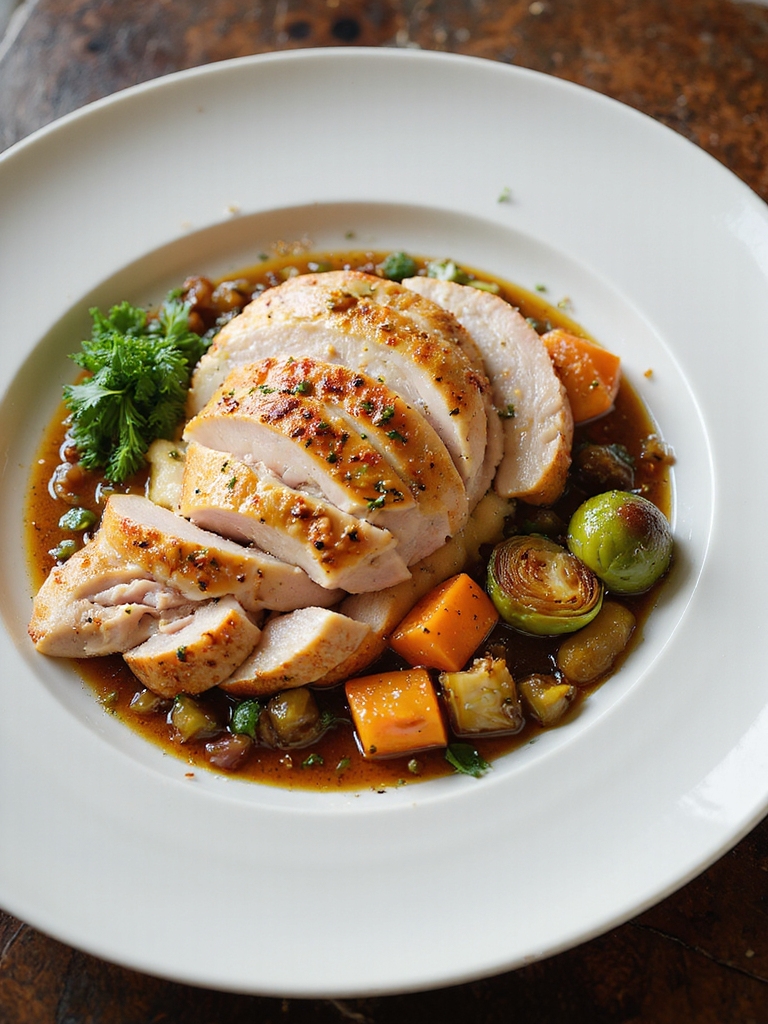
I’ve found roast turkey breast to be the easiest way to serve a crowd without fuss, and I’ll show you how to get golden skin and juicy white meat every time. I’ll walk through choosing bone‑in versus boneless, basic brines, a foolproof herb‑butter, and the roast method I rely on.
Stick with me and you’ll have a simple plan that makes the holiday table look deliberate and relaxed—plus a few tricks for gravy and leftovers.
Why Roast Turkey Breast Is the Perfect Holiday Centerpiece
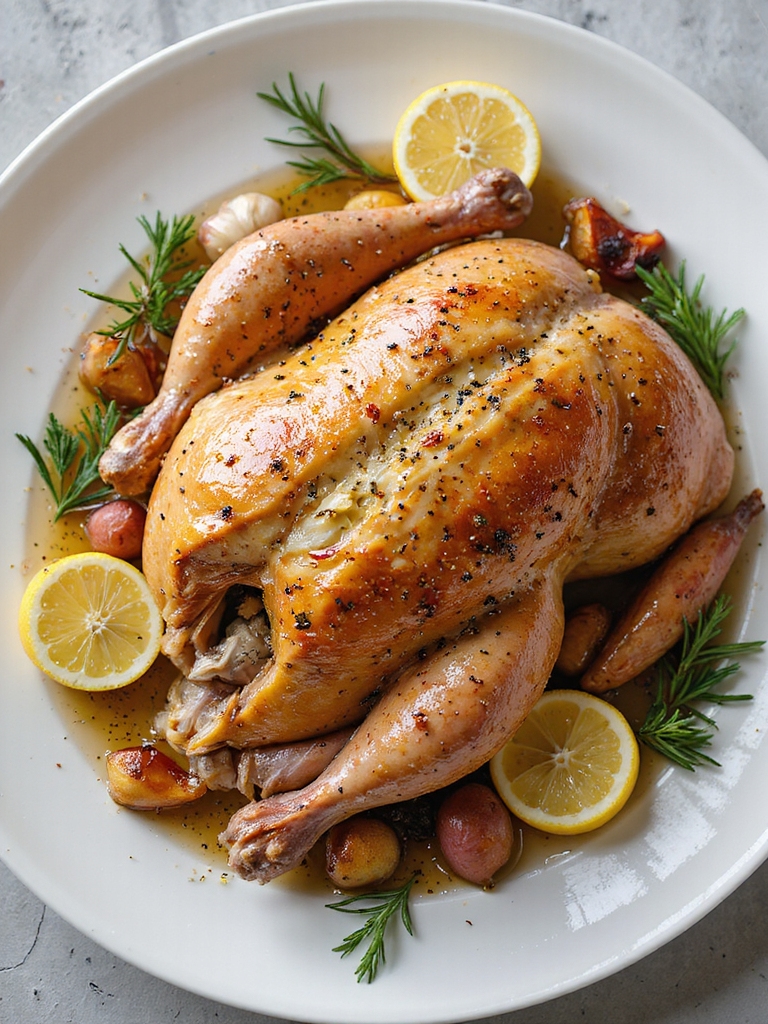
Roast turkey breast makes a stunning, flavorful holiday centerpiece: it’s easier to manage than a whole bird, cooks more evenly, and when brined, seasoned, and roasted properly yields moist white meat with crisp skin that pairs beautifully with gravies and sides for a festive table.
- 1 (4–6 lb) bone-in turkey breast, skin on
- 2 tablespoons kosher salt
- 2 tablespoons brown sugar
- 4 cups water (for brine)
- 4 cloves garlic, smashed
- 2 sprigs rosemary
- 2 sprigs thyme
- 1 tablespoon black peppercorns
- 1 lemon, halved
- 4 tablespoons unsalted butter, softened
- 1 tablespoon olive oil
Preheat oven to 425°F (220°C) and, if brining, dissolve salt and sugar in 4 cups water, submerge turkey breast refrigerated for 4–8 hours then pat dry; rub butter and olive oil under and over the skin with garlic, herbs, lemon zest, salt and pepper, place breast on a rack in a roasting pan, roast uncovered at 425°F for 20 minutes then reduce to 350°F (175°C) and continue roasting until internal temperature reaches 160°F (71°C) in thickest part (about 60–80 minutes total for 4–6 lb), tent loosely with foil, rest 20 minutes (carryover to 165°F/74°C), carve and serve.
Rest the turkey breast for at least 20 minutes before carving to allow juices to redistribute, use an instant-read thermometer to avoid overcooking, and save pan drippings for a quick gravy or sauce. Roasting on a rack helps promote even cooking and crispy skin.
Choosing the Right Cut: Bone-In Vs Boneless Turkey Breast
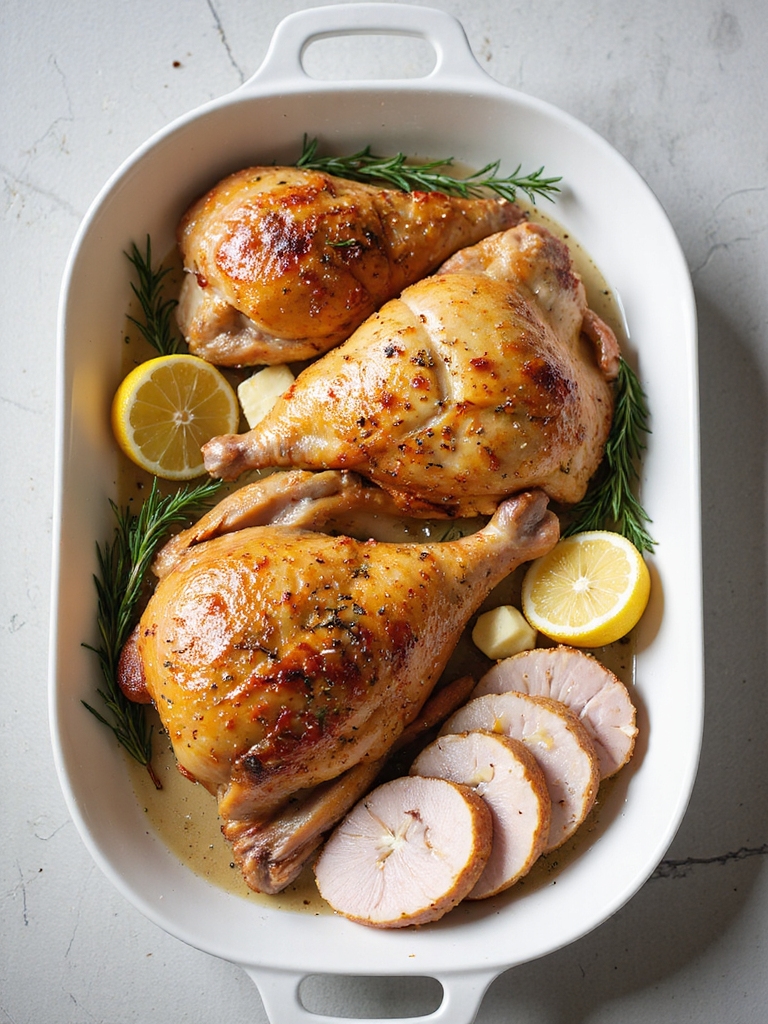
Choosing between bone-in and boneless turkey breast affects flavor, cooking time, and presentation: bone-in offers more flavor and moisture retention thanks to the bone and connective tissue, while boneless roasts faster and is easier to carve; this recipe gives both options with a method that maximizes crisp skin and juicy meat whether you use a 4–6 lb bone-in breast or a 3–4 lb boneless breast.
- 1 bone-in turkey breast (4–6 lb) or 1 boneless turkey breast (3–4 lb), skin on
- 2 tablespoons kosher salt
- 2 tablespoons brown sugar
- 4 cups water (for optional brine)
- 4 cloves garlic, smashed
- 2 sprigs rosemary
- 2 sprigs thyme
- 1 tablespoon black peppercorns
- 1 lemon, halved (zest reserved)
- 4 tablespoons unsalted butter, softened
- 1 tablespoon olive oil
If brining, dissolve salt and sugar in 4 cups cool water and submerge the turkey breast refrigerated for 4–8 hours then drain and pat dry; preheat oven to 425°F (220°C), loosen skin and rub softened butter mixed with lemon zest, minced garlic, chopped herbs, olive oil, salt and pepper under and over the skin, place breast on a rack in a roasting pan, roast skin-side up at 425°F for 20 minutes then reduce to 350°F (175°C) and continue roasting until an instant-read thermometer reads 160°F (71°C) in the thickest part for bone-in (about 60–80 minutes) or 155°F (68°C) for boneless (about 45–60 minutes), tent loosely with foil and rest 20 minutes to reach safe serving temperature before carving; use pan drippings for gravy.
Tip: Always use an instant-read thermometer and rest the meat 20 minutes for carryover cooking, and if using boneless reduce total roast time and check temperature earlier to avoid drying out. This recipe pairs well with classic sides like mashed potatoes and roasted vegetables for a complete holiday meal featuring roast turkey breast.
Brining Basics for Juicy, Flavorful Meat
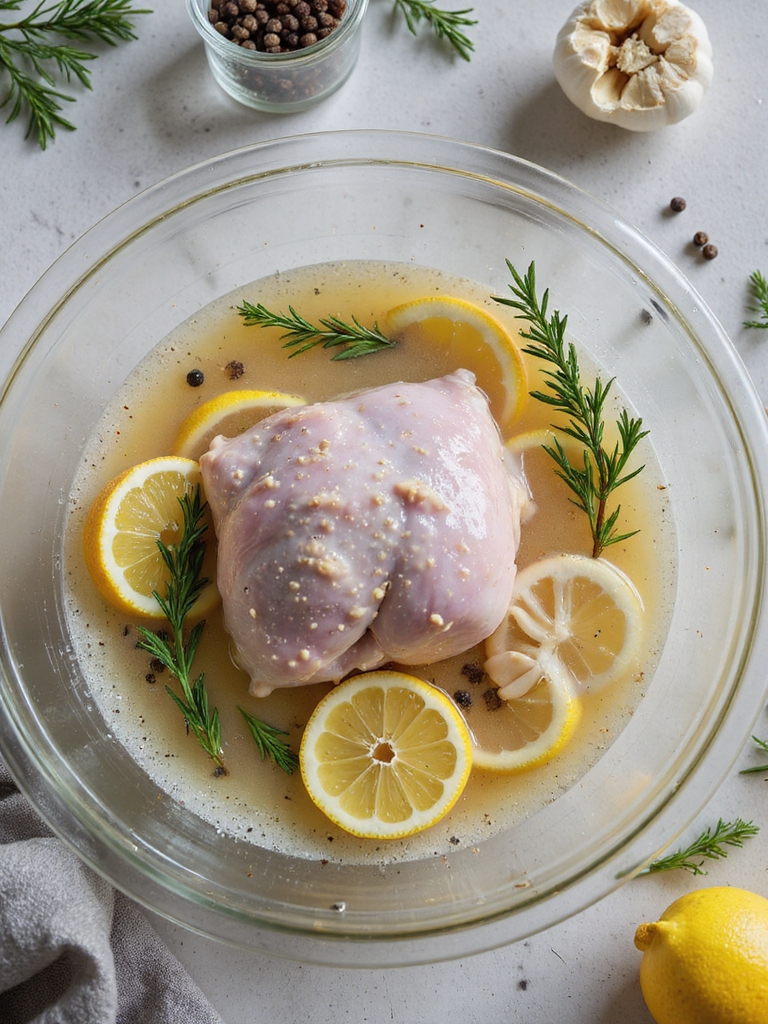
Brining is a simple, science-backed way to keep turkey breast juicy and flavorful by allowing salt and aromatics to season the meat and help it retain moisture during cooking; whether you use a wet brine for deeper penetration or a quick dry brine for convenience, the basic principles are the same — salt, time, temperature control, and aromatic additions — and this recipe gives options for both bone-in and boneless breasts to suit your schedule and taste.
- 1 bone-in turkey breast (4–6 lb) or 1 boneless turkey breast (3–4 lb), skin on
- 1/2 cup kosher salt (for wet brine) or 1/4 cup kosher salt (for dry brine)
- 1/4 cup brown sugar (optional for wet brine) or 2 tablespoons brown sugar (optional for dry)
- 4–8 cups cold water (enough to submerge; for wet brine)
- 4 cloves garlic, smashed
- 2 sprigs rosemary
- 2 sprigs thyme
- 1 tablespoon black peppercorns
- 1 lemon, sliced
- 4 cups ice (to keep brine cold)
- 1 tablespoon olive oil (for roasting)
- 2 tablespoons softened butter (for under-skin finishing, optional)
For a wet brine: dissolve 1/2 cup kosher salt and 1/4 cup brown sugar in 4–8 cups cold water, add garlic, herbs, peppercorns and lemon, cool the brine to refrigerator temperature with ice, submerge the turkey breast in a nonreactive container or zip-top bag, refrigerate 4–8 hours for bone-in or 3–4 hours for boneless, then drain, rinse briefly if desired, pat very dry, rub with olive oil and roast as directed in your main recipe using an instant-read thermometer to reach 160°F (71°C) for bone-in or 155°F (68°C) for boneless, tent and rest 20 minutes.
For a dry brine: mix 1/4 cup kosher salt (adjust for size), optional brown sugar and aromatics, rub evenly over and under the skin, refrigerate uncovered on a rack 12–24 hours, then roast as above.
Tip: Always keep the brine and turkey cold (below 40°F/4°C), don’t over-salt—scale salt to weight and time—and pat the breast very dry before roasting to guarantee crisp skin; discard used brine or boil it 10 minutes before using as a baste or in gravy.
Dry brining, when done correctly, lets the salt penetrate and denature proteins for better texture and moisture retention, especially on turkey breasts.
Dry Rubs and Herb Pastes to Elevate the Skin
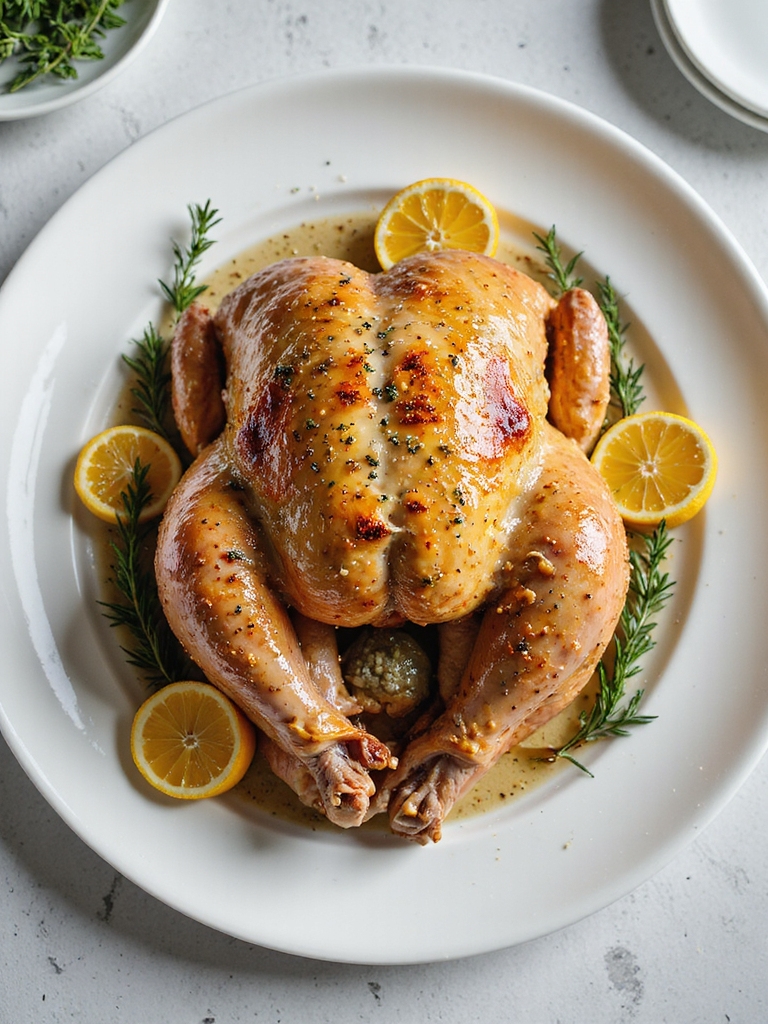
A fragrant dry rub or herb paste transforms turkey breast skin into a golden, flavor-packed crust while keeping the meat underneath moist; this recipe gives two options — a classic dry rub for quick application and a herb-garlic paste for slipping under the skin — and shows how to combine them for maximum crispness and aroma.
- 1 bone-in turkey breast (4–6 lb) or boneless turkey breast (3–4 lb), skin on
- 2 tablespoons kosher salt (adjust if previously brined)
- 1 tablespoon brown sugar
- 1 tablespoon smoked paprika
- 1 teaspoon ground black pepper
- 1 teaspoon garlic powder
- 1 teaspoon onion powder
- 1/2 teaspoon dried thyme
- 1/2 teaspoon dried rosemary, crushed
- Zest of 1 lemon
- 3 tablespoons olive oil
- 3 tablespoons softened butter (or ghee)
- 2 cloves garlic, minced
- 2 tablespoons chopped fresh parsley
- 1 tablespoon chopped fresh thyme
- 1 tablespoon lemon juice
Preheat oven and prepare: set rack to middle, preheat oven to 375°F (190°C), pat turkey very dry and (if brined) reduce added salt by half.
For dry rub: mix salt, brown sugar, paprika, pepper, garlic and onion powders, dried herbs and lemon zest in a bowl and rub evenly over skin and into crevices.
For herb paste: combine olive oil, butter, minced garlic, fresh herbs and lemon juice, separate skin from breast with fingers and smear paste under skin over meat, then press dry rub onto skin.
Roast on a rack in a shallow pan until an instant-read thermometer reads 160°F (71°C) in the thickest part (or 155°F/68°C for boneless), tent loosely with foil and rest 20 minutes before slicing.
Tip: If you used a wet brine, reduce salt in the rub, always pat skin bone-dry for best crisping, and roast on a rack with some pan liquid (but not touching the bird) to collect juices for gravy while keeping the skin dry.
Brining beforehand can improve moisture and flavor, and a short turkey brine soak is often enough for a juicier result.
Step-by-Step Roasting Method for Golden, Tender Results
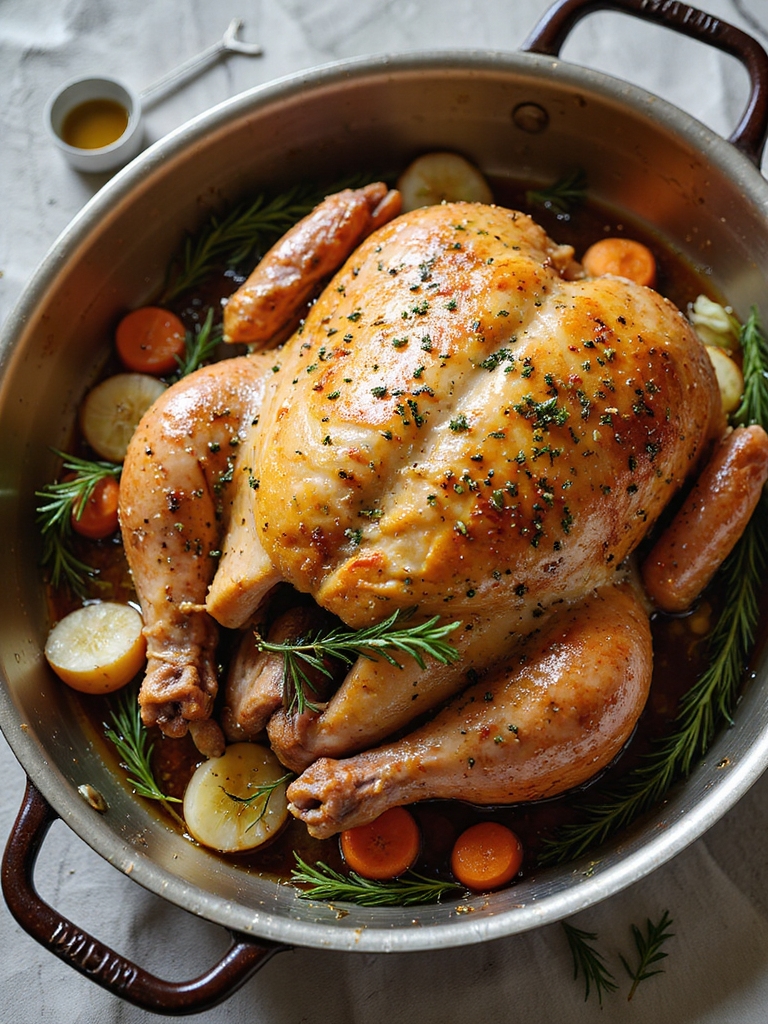
A clear, reliable roasting method brings together the seasoned skin and herb paste from the previous step to produce a golden, crisp exterior and juicy, evenly cooked turkey breast; this recipe assumes a bone-in (4–6 lb) or boneless (3–4 lb) skin-on turkey breast prepared with the dry rub and herb paste, and guides you through oven setup, temperature timing, and a simple finishing technique to guarantee carryover cooking yields perfect slices.
- 1 bone-in turkey breast (4–6 lb) or boneless turkey breast (3–4 lb), skin on
- Dry rub (prepared)
- Herb-garlic paste (prepared)
- 1 cup low-sodium chicken or turkey stock
- 2 tablespoons olive oil
- 1 small onion, halved
- 1 carrot, cut into large pieces
- 1 celery stalk, cut into large pieces
- Fresh sprigs of thyme and/or rosemary
- Kitchen twine (if trussing or tying)
- Instant-read thermometer
- Foil
Preheat oven to 375°F (190°C) and set a rack in the center of the oven; arrange the onion, carrot and celery in the bottom of a shallow roasting pan, pour in the stock, place a rack over the vegetables and set the prepared turkey breast skin-side up on the rack (tie the ends if needed), brush the skin lightly with olive oil, and roast uncovered until the thickest part registers 160°F (71°C) for bone-in or 155°F (68°C) for boneless, about 18–20 minutes per pound, rotating the pan once for even browning.
If the skin is browning too quickly, tent loosely with foil for the last 15–20 minutes, then remove from oven and tent tightly with foil to rest for 20 minutes to allow carryover cooking to reach safe temperature and redistribute juices before slicing.
Let the turkey rest tented for 20 minutes on a cutting board while you skim pan drippings and prepare gravy or warm serving dishes; slice against the grain into even pieces using a sharp knife and serve immediately.
This method pairs especially well with turkey breast tenderloin recipes that share similar seasoning profiles and cooking times.
Resting, Carving, and Serving Like a Pro
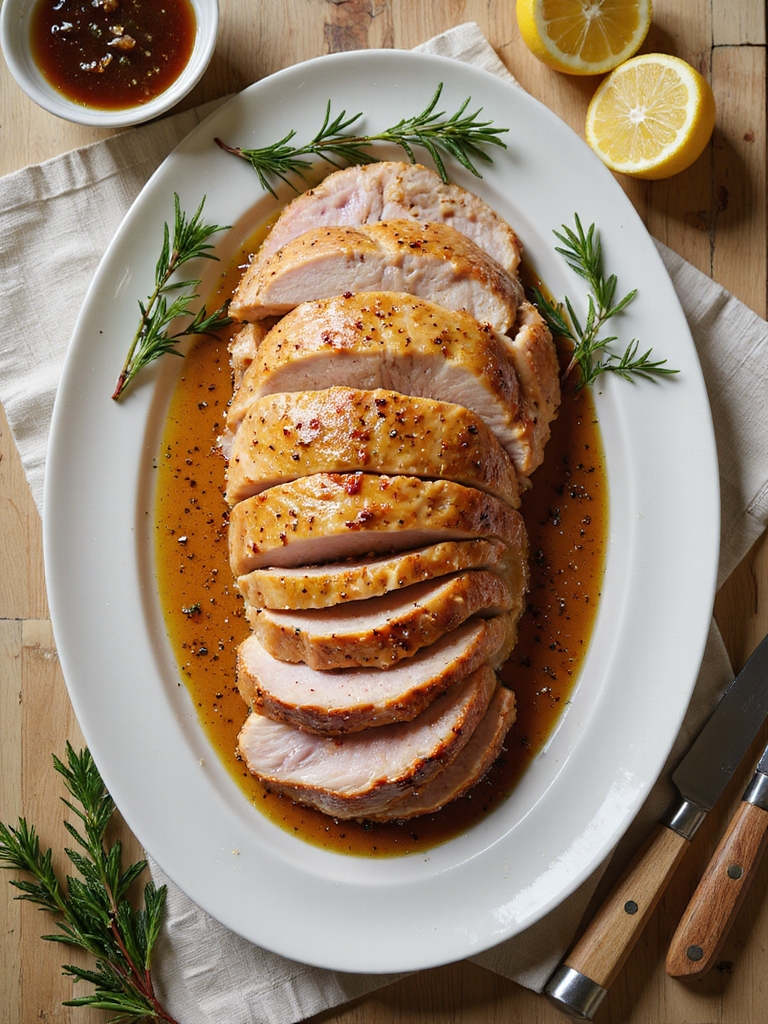
Resting, carving, and serving a roast turkey breast correctly turns a good roast into a great centerpiece — this recipe focuses on safe carryover cooking, retaining juices while the meat rests, clean carving for attractive slices, and composed plating with simple accompaniments so your turkey breast looks and tastes like it came from a pro kitchen.
- Rested roast turkey breast (from roasting step), tented with foil
- Cutting board with groove and non-slip base
- Sharp carving knife and carving fork or tongs
- Instant-read thermometer
- Small bowl for jus or pan drippings
- Warm serving platter or plates
- Kitchen shears (optional)
- Fresh herbs for garnish (thyme, rosemary, parsley)
- Lemon wedges (optional)
- Compound butter or gravy (optional)
Remove the turkey from the foil after the prescribed rest time and verify internal temperature at the thickest point reads 165°F (74°C) for safety; place the breast skin-side up on a large cutting board, trim any loose skin, hold steady with a fork or tongs and make a long, confident slice against the grain at about 1/4–1/2-inch thickness, rotating the breast as needed to keep slices even and transferring them to a warm platter with a slight overlap for an attractive presentation while occasionally spooning warm pan jus or a dab of compound butter over the slices to keep them glossy and moist.
Serve garnished with fresh herbs and lemon wedges and offer gravy or pan sauce on the side; refrigerate leftovers within two hours in shallow airtight containers and slice remaining meat against the grain for sandwiches or reheating.
Let turkey rest undisturbed for the full 20 minutes to allow juices to redistribute and avoid slicing too early which causes dry meat; for easier carving chilled slices can be partially chilled for 10–15 minutes to firm up, and always carve against the grain for the most tender mouthfeel.
For inspiration and additional turkey recipes, consult classic turkey recipes to find variations suitable for every occasion.
Gravies, Pan Sauces, and Compound Butters That Impress
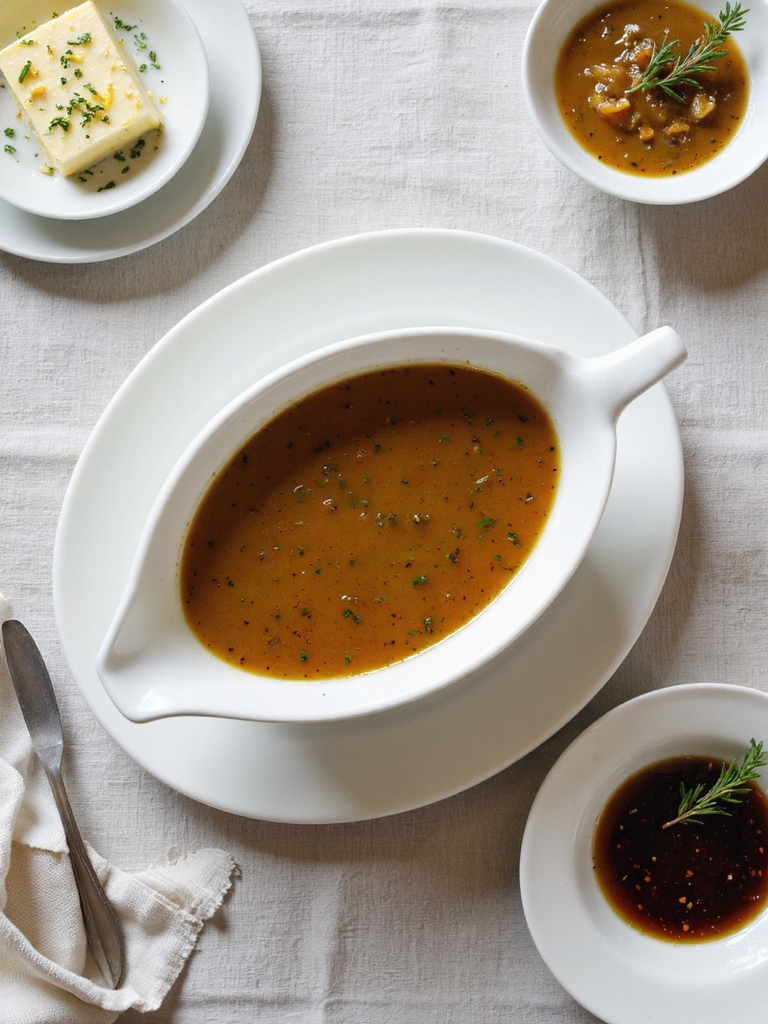
A rich, glossy pan gravy, a bright herb-laced pan sauce, and a silky compound butter will take your roast turkey breast from good to wow — this recipe gives you three complementary finishes: a classic turkey pan gravy made from drippings, a quick white wine–lemon herb pan sauce to brighten slices, and a compound butter studded with herbs and citrus to melt over hot meat for shine and flavor.
- Turkey pan drippings (strained, about 1–1½ cups)
- Unsalted butter (4 Tbsp)
- All-purpose flour (2–3 Tbsp)
- Low-sodium chicken or turkey stock (2 cups)
- Dry white wine (½ cup)
- Fresh thyme (2 tsp chopped)
- Fresh rosemary (1 tsp chopped)
- Fresh parsley (2 Tbsp chopped)
- Lemon zest (1 tsp) + 1 Tbsp lemon juice
- Shallot (1 small, finely minced)
- Heavy cream (optional, 2 Tbsp)
- Salt and freshly ground black pepper
- Cold unsalted butter (4 Tbsp for compound butter)
- Garlic (1 small clove, minced, optional)
After removing the roast, pour drippings into a fat separator or skim fat from the top and reserve 2–3 Tbsp fat in the roasting pan or skillet; for the classic gravy, whisk flour into the fat over medium heat to form a roux, cook 1–2 minutes, then slowly whisk in warmed stock and any reserved drippings, simmer until thickened and finish with salt, pepper, and a splash of cream if desired.
For the wine-herb pan sauce, sauté shallot in 1 Tbsp butter, deglaze the pan with wine, reduce by half, add lemon juice, chopped herbs, and a few spoonfuls of gravy or stock to balance, then mount with cold butter and strain if silky.
For compound butter, mix softened butter with herbs, lemon zest, garlic, and a pinch of salt, roll in plastic and chill until firm, then slice medallions to melt onto hot turkey slices.
Tip: Taste and adjust seasoning at each stage—if the gravy tastes flat, a splash of acid (vinegar or lemon) brightens it; strain for a smooth finish and keep sauces warm over very low heat or in a thermos to preserve texture and gloss.
A beautifully finished turkey benefits from a glossy gravy made from pan drippings to enhance both flavor and appearance.
Quick Weeknight Variations and Leftover Ideas
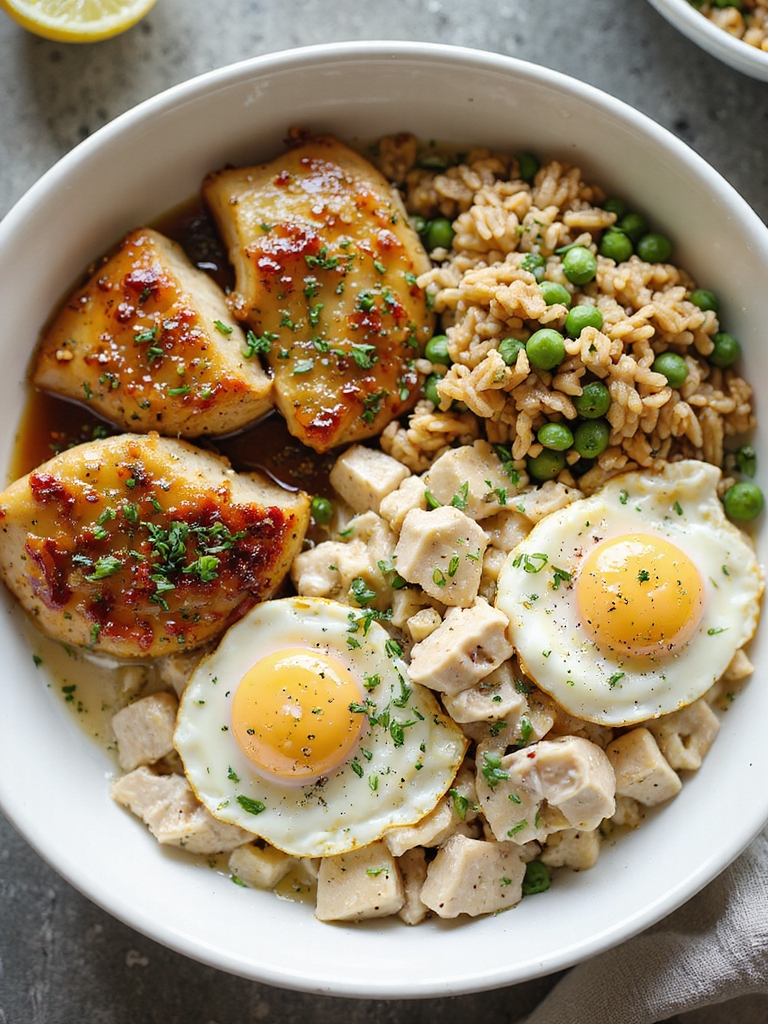
For busy weeknights or turning roast turkey breast leftovers into fast, satisfying meals, this recipe outlines three quick variations — a simple skillet medallion dinner with herb-pan sauce, a turkey and vegetable fried rice, and a creamy turkey pasta — all designed to use already-cooked turkey breast and pantry staples to get dinner on the table in 15–20 minutes.
- Cooked roast turkey breast (sliced or cubed, 2–3 cups)
- Olive oil or butter (2 Tbsp)
- Shallot or onion (1 small, minced)
- Garlic (1–2 cloves, minced)
- Cooked rice or day-old rice (2 cups)
- Pasta (8 oz)
- Chicken or turkey stock (½–1 cup)
- Frozen mixed vegetables (1–2 cups)
- Soy sauce (1–2 Tbsp)
- Eggs (2, for fried rice)
- Heavy cream or crème fraîche (¼–½ cup for pasta)
- Parmesan cheese (¼–½ cup grated)
- Fresh herbs (parsley, thyme, or chives, chopped)
- Lemon (1, for zest and/or juice)
- Salt and pepper
For the skillet medallion dinner: heat 1 Tbsp oil in a skillet over medium-high, add turkey slices just to rewarm and brown edges (1–2 minutes per side), remove and sauté shallot and garlic 1 minute, deglaze with ¼ cup stock and 2 Tbsp wine or lemon juice, stir in chopped herbs and a pat of butter, return turkey to coat and serve with lemon zest;
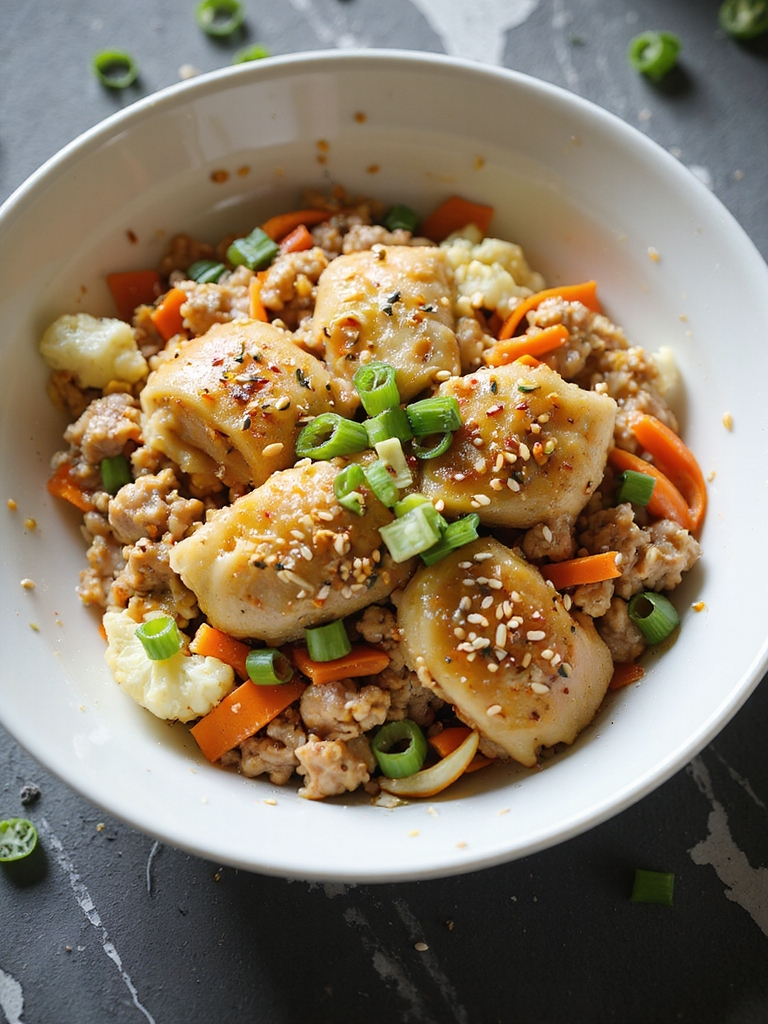
For fried rice: heat 1 Tbsp oil in a large skillet or wok over high, push to one side and scramble eggs, add rice, turkey, frozen veggies, 1–2 Tbsp soy sauce and 2–3 Tbsp stock, toss quickly until heated through and garnish with scallions;
For creamy pasta: cook pasta to al dente, reserve ½ cup cooking water, toss pasta with warmed turkey, ¼–½ cup cream and ¼ cup Parmesan over low heat, add reserved water to loosen, finish with lemon juice, herbs, salt and pepper.
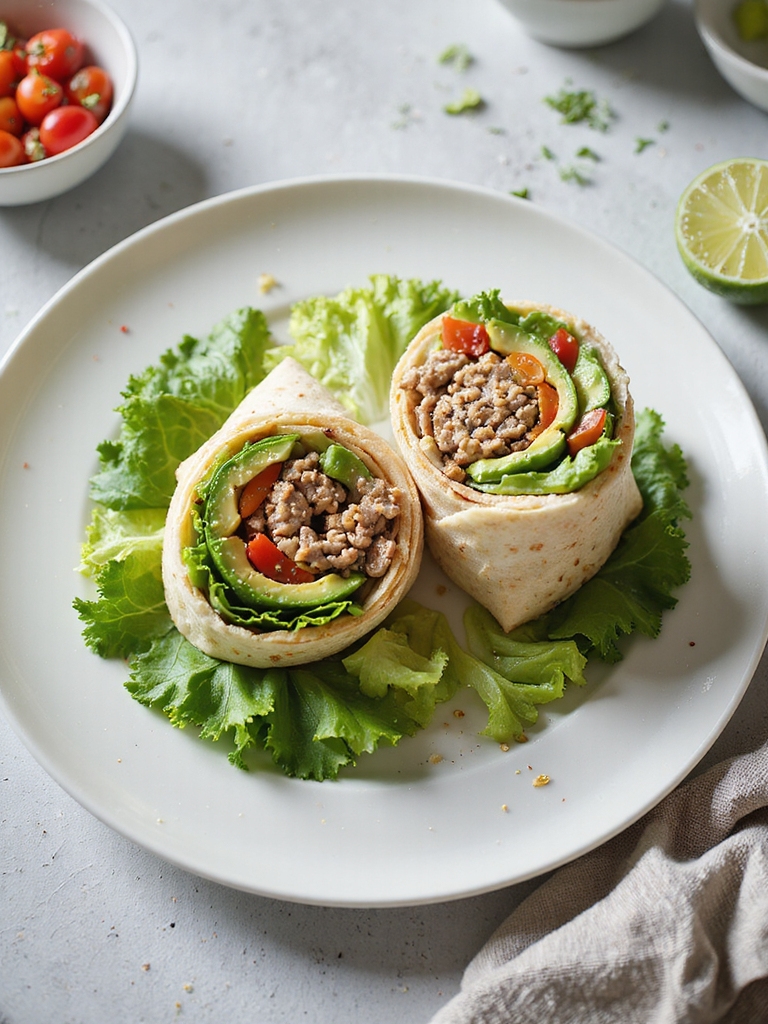
Tip: Use cold turkey for better browning and avoid overcooking—toss into hot pan just long enough to warm, taste and adjust acid/salt at the end, and store any extra sauces separately to keep textures fresh. A quick ground turkey option can also be swapped in for a different texture and faster reheating ground turkey dishes.
Make-Ahead and Freezing Tips for Stress-Free Entertaining
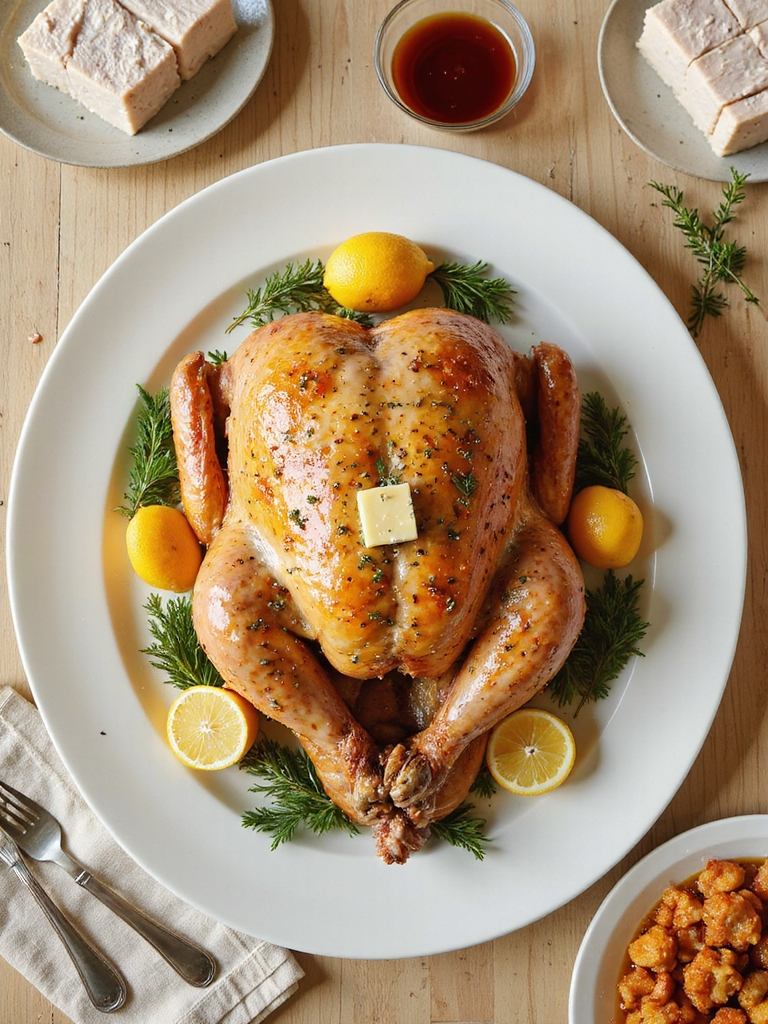
Make-ahead roast turkey breast for stress-free entertaining focuses on brining, careful seasoning, partial roasting, and freezing or refrigerated storage so you can finish and serve a moist, flavorful breast with minimal day-of work.
- Whole boneless or bone-in turkey breast (3–6 lb)
- Kosher salt (for brine or dry brine)
- Sugar (optional, for brine)
- Water or low-sodium stock (for brine)
- Olive oil or softened butter
- Fresh herbs (thyme, rosemary, sage)
- Garlic (4–6 cloves)
- Black pepper
- Lemon (2, zested and halved)
- Aromatics for roasting (onion, carrot, celery)
- Heavy-duty foil or airtight freezer bags/containers
- Cooking twine (if trussing)
Pat turkey dry and either dry-brine with 1–2 tsp kosher salt per pound and refrigerate uncovered 12–24 hours or wet-brine in a salt-sugar solution for 8–12 hours; preheat oven to 325°F (160°C), rub turkey with oil or butter, herbs, garlic and lemon zest, roast breast on a rack set over aromatics until internal temp reaches 150–155°F (65–68°C) (about 18–20 minutes per pound), remove and loosely tent to cool, for make-ahead refrigerate up to 3–4 days or cool completely then slice/portion and freeze in airtight bags up to 3 months (label with date), to finish on serving day reheat whole breast in a 300°F (150°C) oven until 160–165°F (71–74°C) or reheat sliced portions in a skillet with a splash of stock/cream to retain moisture.
Tip: Cool turkey quickly before refrigerating or freezing, remove excess air from bags to prevent freezer burn, and always reheat gently to avoid drying — reserve pan juices or a small herb-butter for basting when finishing. A slow-cooker method can also produce very tender results when cooked on low for several hours with consistent low heat.
Wine and Side Dish Pairings to Complete the Meal
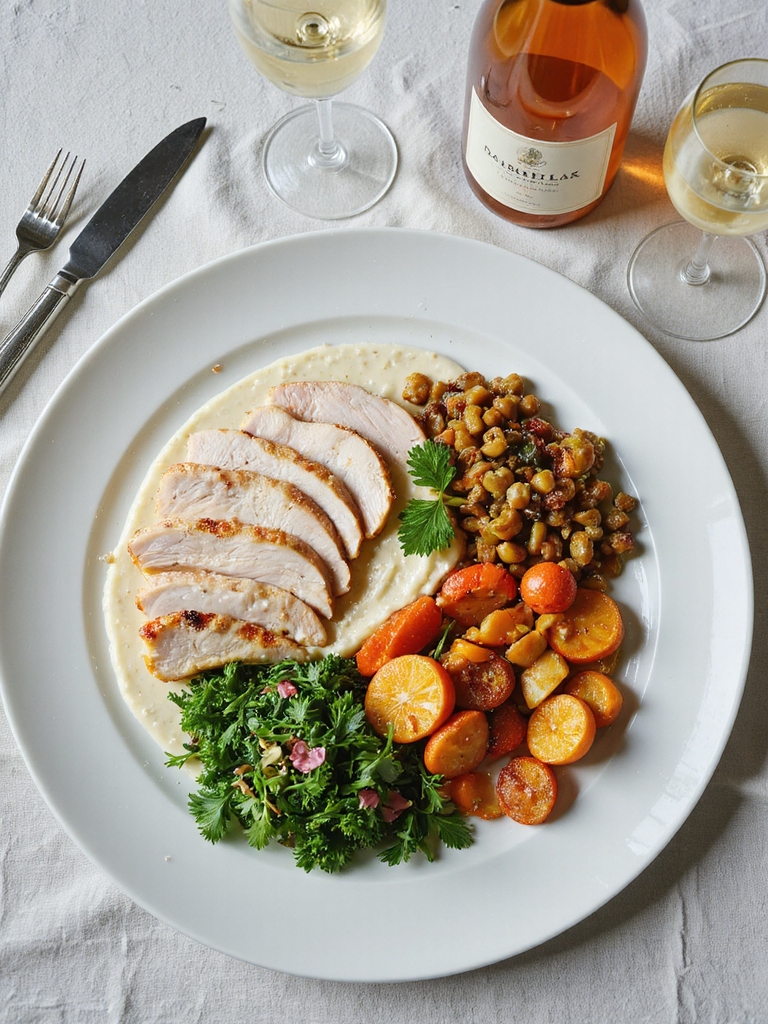
Pair roasted turkey breast with complementary wines and simple side dishes to turn your make-ahead centerpiece into a full, harmonious meal that’s effortless to finish on serving day. Choose sides that can be mostly prepared ahead — roasted root vegetables, a creamy mashed potato or parsnip purée, a bright green vegetable like sautéed haricots verts or roasted Brussels sprouts, and a lightly dressed winter salad — and match wines by sauce and seasoning: an unoaked Chardonnay or dry Riesling for herb-butter turkey, a Pinot Noir or Grenache for deeper roasted flavors, and a sparkling wine or Champagne to lift richer sides.
- Roasted turkey breast (prepared per make-ahead recipe)
- Yukon Gold potatoes (2 lb) or parsnips (optional)
- Heavy cream (1/2–3/4 cup) and butter (4 tbsp)
- Mixed root vegetables (carrots, parsnips, red onion, 2–3 lb)
- Olive oil (3–4 tbsp)
- Fresh thyme and rosemary (2–3 sprigs each)
- Brussels sprouts or haricots verts (1–1.5 lb)
- Lemon (1) and Dijon mustard (1 tsp)
- Baby greens for salad (4 cups) and vinaigrette (olive oil, vinegar, mustard)
- Salt and black pepper
- Chicken or turkey stock (1/2–1 cup)
- Fresh parsley or chives for garnish
- Wine choices: unoaked Chardonnay, dry Riesling, Pinot Noir, Grenache, or sparkling wine
Preheat oven to 400°F (200°C) for vegetables, toss root vegetables with 2 tbsp oil, thyme, salt and pepper and roast on a sheet pan for 30–40 minutes until caramelized while reheating the turkey breast at 300°F (150°C) until 160–165°F (71–74°C) internal and resting 10–15 minutes.
Meanwhile boil peeled potatoes or parsnips until very tender, mash with butter and warmed cream and adjust seasoning, and sauté Brussels sprouts or haricots verts in remaining oil or butter with garlic, finish with a splash of stock and lemon or a drizzle of Dijon vinaigrette.
Plate turkey slices over a smear of purée, arrange roasted vegetables and greens alongside, garnish with herbs and serve wines chilled or slightly cool for whites and sparkling and at cellar/room temperature for reds.
Tip: Taste and balance seasoning and acidity before serving — add a squeeze of lemon or a splash of vinegar to brighten rich sides and choose a wine with enough acidity to cut through butter and creaminess. A simple ground turkey meal prep can provide versatile protein options for leftover dishes throughout the week.