
As someone who loves hosting festive gatherings, I’m always on the lookout for the perfect turkey recipe that’s golden, juicy, and celebration-worthy. The secret lies in a carefully chosen, brined bird with herb-infused butter that transforms the turkey into a showstopper.
Imagine slicing into that tender, flavorful meat with the right sides to complete the feast. Curious about how to make this happen in your kitchen? Let me guide you through it.
Selecting the Perfect Turkey
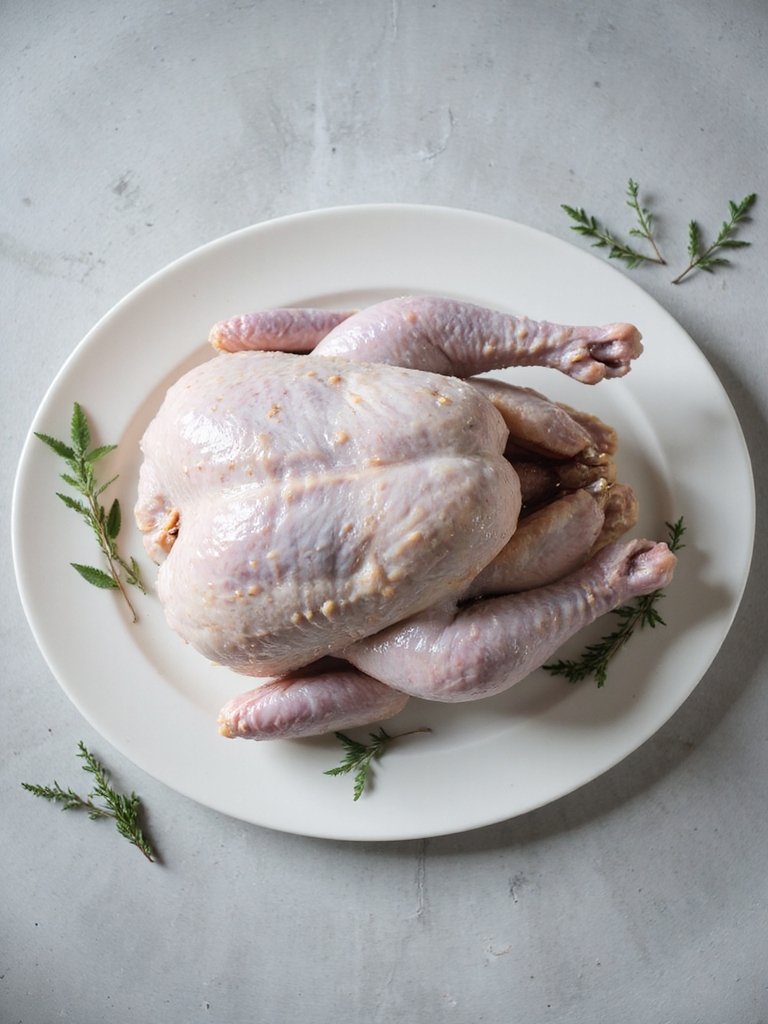
To achieve a deliciously roasted turkey, it all starts with selecting the perfect bird. Aim for a fresh or thawed turkey that is between 12 and 14 pounds for even cooking and ideal flavor. Organic or free-range turkeys often have better texture and taste, but choose based on your preference and budget. Once you have your turkey, make sure you gather all necessary ingredients for seasoning and roasting.
- 1 fresh or thawed turkey (12-14 pounds)
- 1/2 cup softened butter
- 2 tablespoons olive oil
- Salt
- Pepper
- Fresh herbs (rosemary, thyme, sage)
- 1 lemon
- 1 onion, quartered
- 4 garlic cloves
- 1 cup chicken broth
Preheat your oven to 325°F (163°C). Pat the turkey dry with paper towels and rub it with softened butter mixed with olive oil, salt, pepper, and chopped herbs. Stuff the cavity with halved lemon, onion, and garlic, then place the turkey in a roasting pan, add broth, and roast, basting every 30 minutes, until the internal temperature reaches 165°F in the thickest part of the thigh. One key to a flavorful turkey is to brine it beforehand, as turkey brine enhances juiciness and flavor depth.
For best results, let the turkey rest for at least 20 minutes before carving, which allows the juices to redistribute, guaranteeing a moist bird. If you don’t have a roasting rack, use vegetables like carrots or celery to elevate the turkey within the pan.
Essential Tools and Equipment
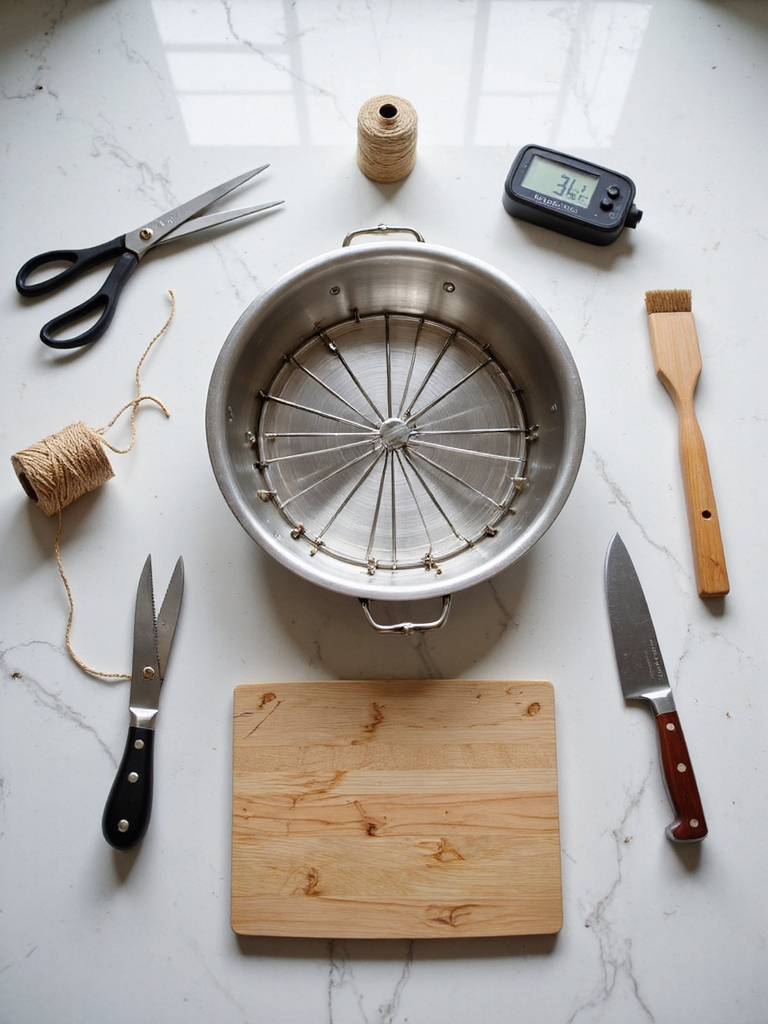
To guarantee a perfectly roasted turkey, having the right tools and equipment is essential. Quality kitchen tools make the process smoother, more efficient, and increase your chances of achieving the desired results. A reliable meat thermometer is vital for monitoring the internal temperature of the turkey, making sure it reaches a safe and juicy 165°F. Also, a roasting pan with a rack will help elevate and evenly cook the turkey while catching delicious drippings for gravy. Don’t forget sturdy kitchen shears for removing excess parts and twine for trussing the bird, which helps it maintain its shape during cooking.
- Meat thermometer
- Roasting pan with rack
- Kitchen shears
- Kitchen twine
- Basting brush or baster
- Carving knife
- Cutting board
Preheat your oven to 325°F and ready your roasting pan by placing the turkey on the rack inside the pan. Insert the meat thermometer into the thickest part of the thigh, ensuring it doesn’t touch bone, then roast the turkey in the oven. Baste every 30 minutes using the juices from the pan until the internal temperature reads 165°F, then allow the turkey to rest for 20 minutes before carving.
To achieve a juicy turkey, let it rest after roasting so the juices redistribute. Confirm that the oven rack is positioned in the lower third of the oven for ideal heat circulation, which promotes even cooking throughout the turkey.
Prepping Your Bird for Roasting
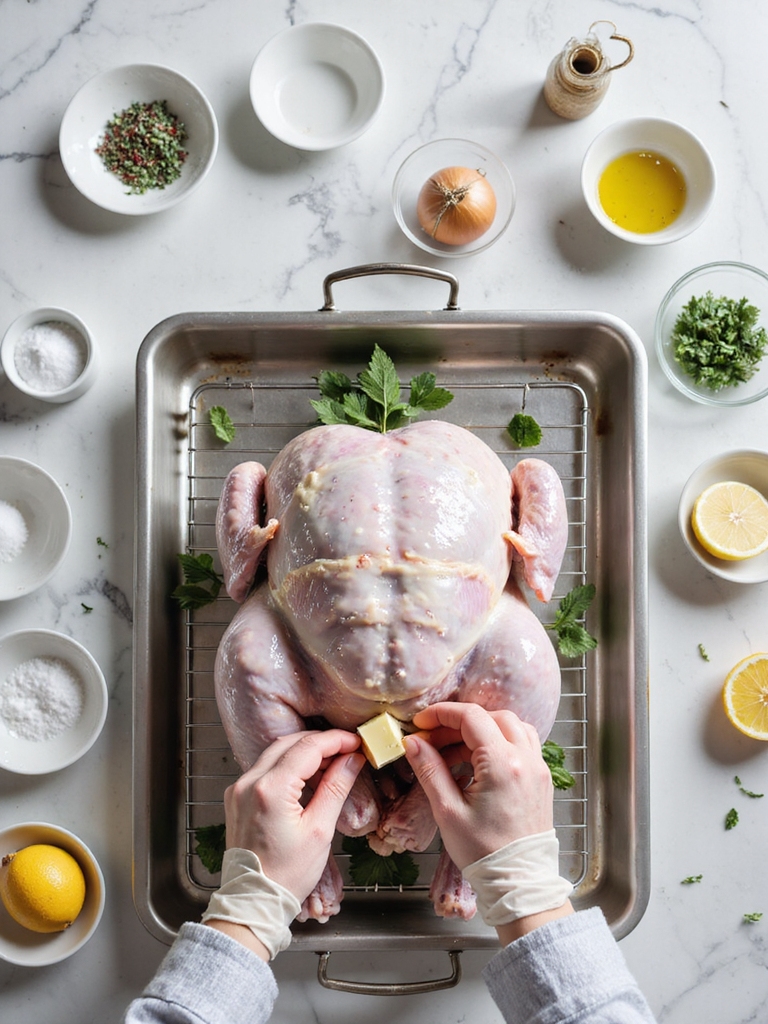
Prepping your bird properly is fundamental to guaranteeing deliciously roasted turkey. Start by removing the giblets and neck from the turkey’s cavity, and then pat the turkey dry with paper towels to remove any moisture, which helps achieve crispy skin. Gently loosen the skin, particularly around the breast area, and season generously under the skin as well as inside the cavity with your favorite herbs and spices for maximum flavor. Truss the turkey with kitchen twine to guarantee even roasting and maintain its shape in the oven.
- Whole turkey (12-14 lbs)
- Salt
- Black pepper
- Olive oil or melted butter
- Fresh herbs (e.g., rosemary, thyme, sage)
- Onion, quartered
- Lemon, halved
Rub olive oil or melted butter all over the dried turkey, then season generously with salt and pepper, including under the skin. Stuff the cavity with fresh herbs, onion, and lemon, guaranteeing they’re compact without overstuffing. Truss the turkey and place it on a rack inside the prepared roasting pan.
For a crispier skin, let the seasoned turkey air-dry uncovered in the refrigerator overnight before roasting. Be mindful of over-seasoning with salt if your bird has been pre-brined, as it could become too salty. Additionally, consider using a dry brine method to enhance the turkey’s moisture and flavor before roasting.
Mastering the Art of Brining
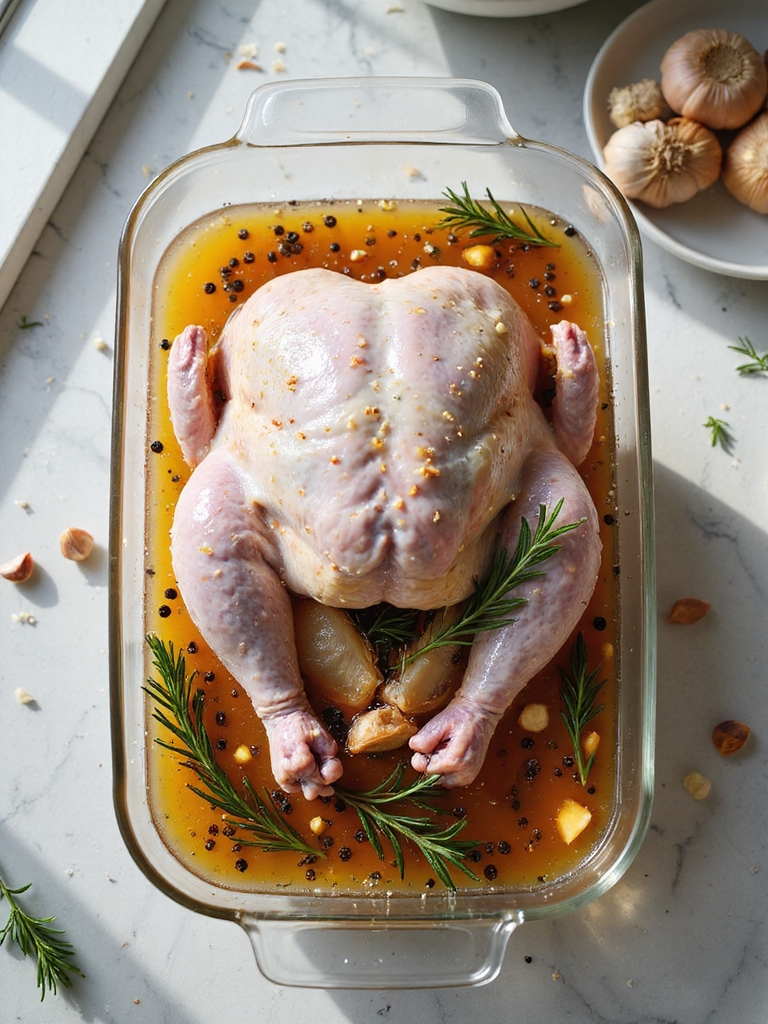
Brining is an essential step in ensuring your turkey remains moist, flavorful, and tender when roasted. Start by preparing a brine solution that enhances the turkey’s flavor and juiciness. This involves dissolving salt and sugar in water, then allowing the turkey to soak in this mixture for several hours or overnight. This process helps the meat retain moisture during roasting and infuses it with subtle flavors from herbs or aromatics added to the brine.
- Whole turkey (12-14 lbs)
- 1 cup kosher salt
- 1/2 cup brown sugar
- 2 gallons water
- 1 tablespoon black peppercorns
- 5 cloves garlic, smashed
- 4 bay leaves
- Fresh herbs (e.g., rosemary, thyme)
First, dissolve salt and sugar in water, then add peppercorns, garlic, bay leaves, and herbs to the brine. Submerge the turkey completely in the brine, ensuring it’s entirely covered, and refrigerate for 12-24 hours. Drain the brine and pat the turkey dry before proceeding with your desired roasting method.
Make sure the turkey is fully thawed before brining to prevent uneven absorption of flavors. Always discard the brine after use to avoid cross-contamination and pat the turkey fully dry for crisp skin during roasting. Additionally, the brining process can elevate the overall taste and texture of your turkey, resulting in a truly memorable dish.
Herb-Infused Butter for Extra Flavor
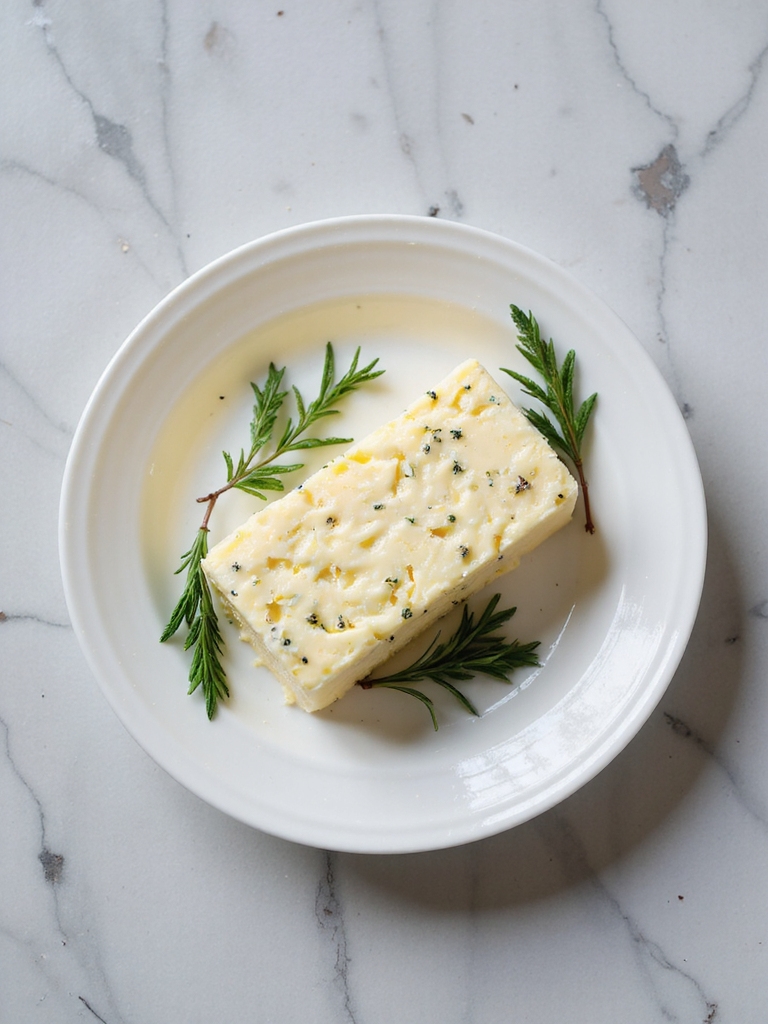
Enhancing your roasted turkey with herb-infused butter gives an additional layer of rich, savory flavor. Start by making a compound butter by mixing softened butter with a carefully selected blend of fresh herbs and aromatic elements. The butter can be spread under the turkey’s skin and over the exterior, creating a rich, flavorful crust as it roasts. This infusion method not only adds dynamic flavor notes but also helps to keep the turkey moist and succulent.
- 1 cup unsalted butter, softened
- 2 tablespoons fresh rosemary, chopped
- 2 tablespoons fresh thyme, chopped
- 2 tablespoons fresh sage, chopped
- 1 tablespoon lemon zest
- 2 cloves garlic, minced
- Salt and pepper to taste
Combine softened butter with rosemary, thyme, sage, lemon zest, and minced garlic. Carefully lift the skin of the turkey breast and spread some of the herb butter underneath, then rub the remaining butter all over the outside. Roast the turkey in a preheated oven, basting occasionally with the dripping butter for added moisture and flavor until the internal temperature reaches 165°F. Additionally, using this herb-infused butter method can elevate any holiday feast, making your turkey the star of the table.
For ideal results, let the herb-infused butter rest for an hour before applying to let the flavors meld. Consider adding a splash of white wine or lemon juice to the butter mixture to bring a bright, complementary acidity to your turkey’s flavor profile.
Timing and Temperature Guidelines
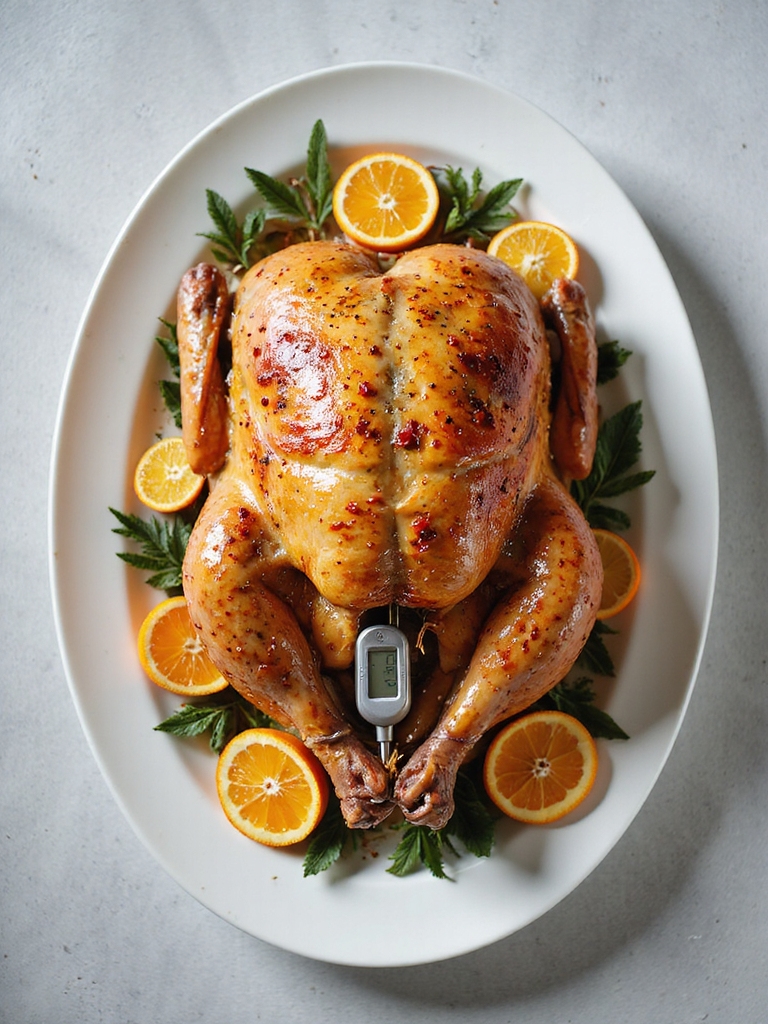
Achieving the perfect roasted turkey involves precise timing and temperature management, which are essential for a tender and juicy result. Begin by preheating your oven to 325°F. Allow the turkey to come to room temperature before placing it in the oven, as this guarantees even cooking. A general guideline to follow is to roast the turkey for 15 minutes per pound. However, the most reliable way to gauge doneness is by checking the internal temperature with a meat thermometer inserted into the thickest part of the breast and thigh. Aim for an internal temperature of 165°F.
- 1 whole turkey (12-14 pounds)
- 1 cup herb-infused butter (recipe provided)
- Salt and pepper to taste
Place the seasoned turkey in a roasting pan and spread the herb-infused butter generously over and under its skin. Cook the turkey in the preheated oven, basting it every 45 minutes with pan drippings, for about 3 to 3.5 hours, or until the internal temperature reads 165°F. Once the turkey reaches the desired temperature, remove it from the oven and let it rest for at least 20 minutes before carving to allow the juices to redistribute.
Make sure the turkey is fully thawed before roasting to guarantee even cooking. A rested turkey makes carving cleaner and retains more moisture, greatly enhancing the dining experience.
Creating a Crispy Skin
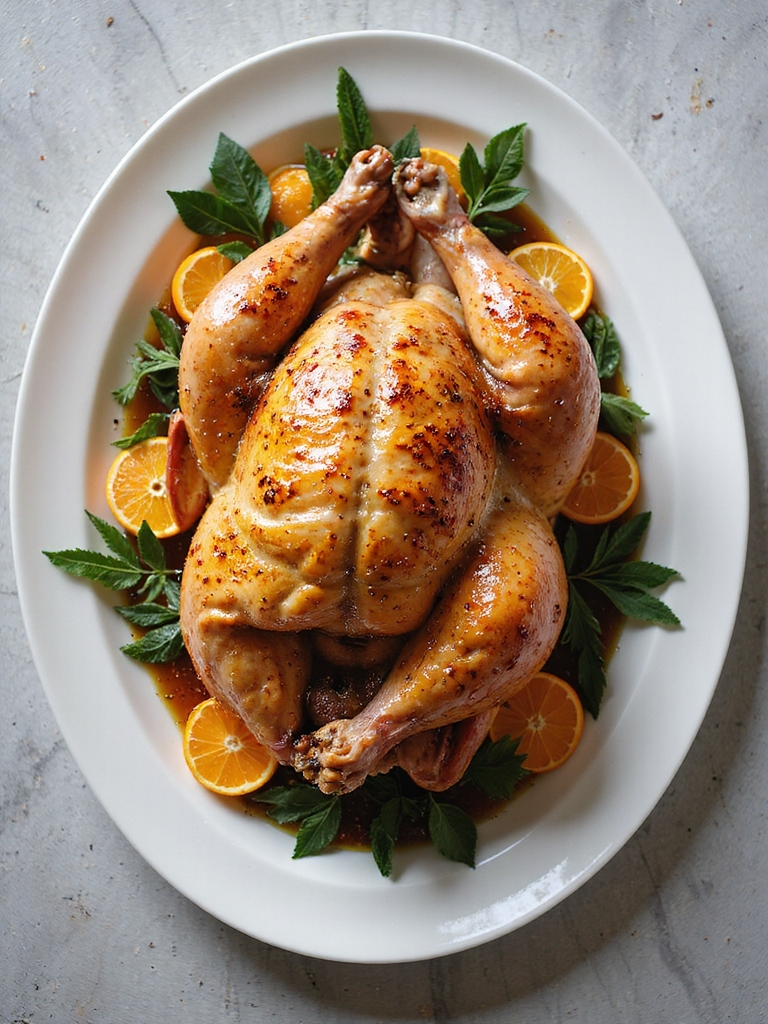
Creating a crispy skin on a roasted turkey is an integral aspect of elevating the dish to perfection. Start by ensuring the skin is as dry as possible; patting it thoroughly with paper towels is vital. For extra crispiness, coat the skin with a mixture of baking powder and salt, which helps to draw out moisture and promote browning. Allow the turkey to air-dry in the refrigerator, uncovered, for at least 12 hours before roasting.
- 1 whole turkey (12-14 pounds)
- 1 tablespoon baking powder
- 1 tablespoon salt
- 1 cup herb-infused butter
Transfer the turkey to a roasting pan and spread the herb-infused butter evenly over and under the skin. Roast at 325°F, basting with pan drippings every 45 minutes. After about 3 to 3.5 hours, or when the internal temperature reaches 165°F, remove and let it rest for 20 minutes before carving.
For best results, make sure to keep the oven door closed as much as possible to maintain consistent heat. Avoid over-basting, as excess moisture will prevent the skin from becoming crispy.
Aromatics and Stuffing Options
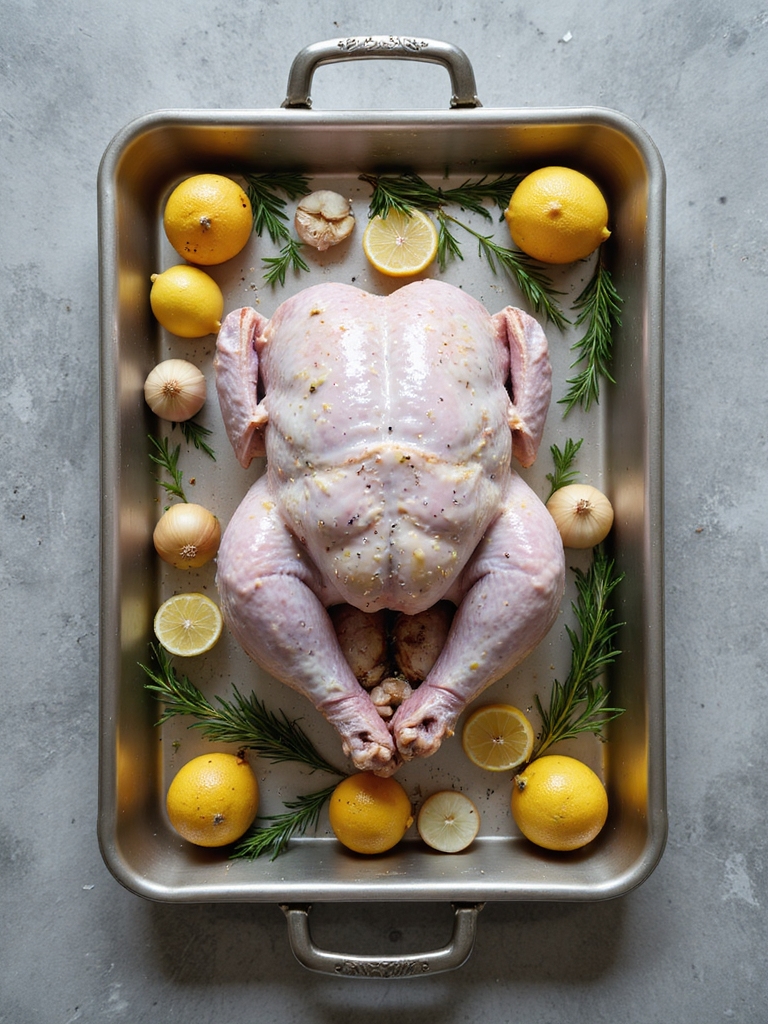
To enhance the flavor and aroma of your roasted turkey, consider using a mix of aromatic vegetables and spices for stuffing, or simply as a fragrant bed to support the bird during roasting. Aromatics such as onions, garlic, and citrus, along with herbs like rosemary and thyme, infuse the turkey with a delightful depth of flavor. For a twist, you can opt for a traditional bread stuffing, or go for a more adventurous approach with wild rice and cranberries. Additionally, you might explore Delicious Turkey Stuffing Recipes that can elevate your holiday feast.
Ingredients:
- 1 whole turkey (12-14 pounds)
- 1 large onion, quartered
- 1 whole garlic bulb, halved
- 1 lemon, halved
- Fresh rosemary sprigs
- Fresh thyme sprigs
- Salt and pepper
- Olive oil
Place the turkey on a roasting rack in a pan, rubbing it inside and out with olive oil, salt, and pepper. Stuff the cavity with onion, garlic, lemon, rosemary, and thyme, tying the legs together. Roast at 325°F, initially covered loosely with aluminum foil, and baste occasionally, until the internal temperature reaches 165°F.
For peak flavor infusion, verify that the aromatics are fresh and not overstuffed into the cavity, allowing heat to circulate properly. If you choose to make stuffing separately, it’s a great idea to warm the mix slightly before serving so that it complements the hot roasted turkey.
The Secret to Moist and Juicy Meat
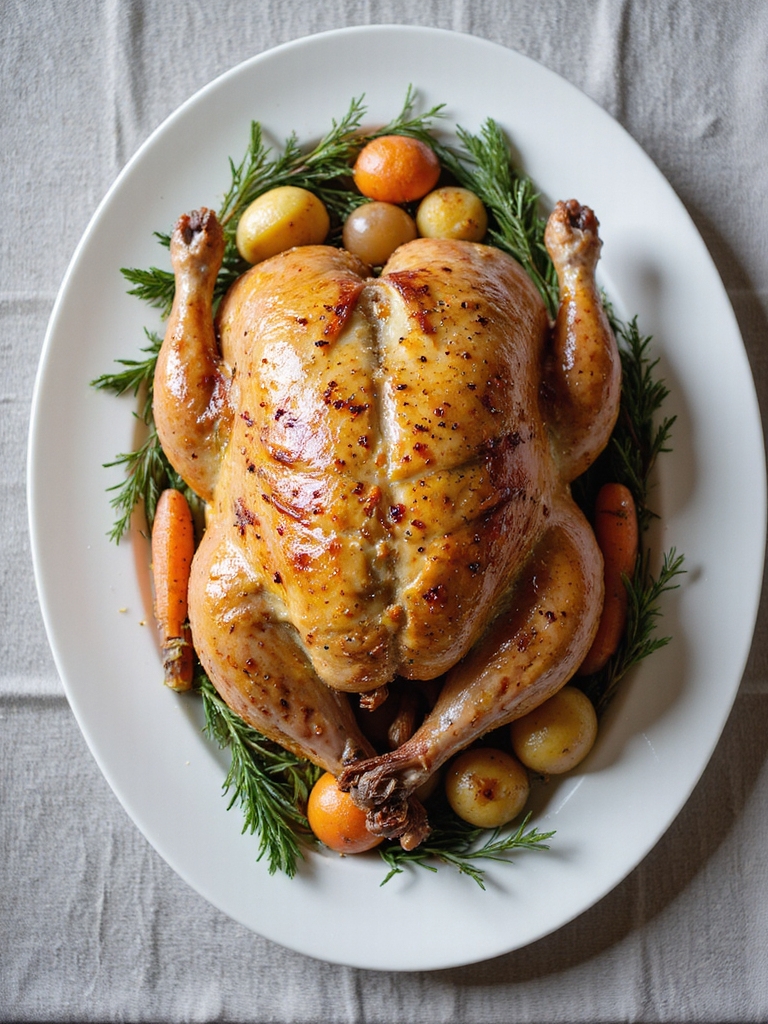
To achieve a succulent and juicy roasted turkey, brining is a must. A simple saltwater brine creates a moist environment that enhances the meat’s flavor while keeping it tender and juicy throughout the roasting process. To prepare the turkey, submerge it in a brining solution, and allow it to rest for 12–24 hours in the refrigerator, ensuring it’s covered completely. Once brined, rinse and pat it dry, then follow with a generous butter or olive oil rub before roasting.
Ingredients:
- 1 whole turkey (12-14 pounds)
- 1 cup salt
- 1 cup sugar
- 1 gallon water
- 1/4 cup black peppercorns
- 3-4 bay leaves
- 1 cup unsalted butter, softened
Place the turkey in a large container and add the salt, sugar, water, peppercorns, and bay leaves to create a brine. Submerge and refrigerate the turkey for up to 24 hours, then rinse and pat dry. Rub the turkey with unsalted butter, place it on a roasting rack, and cook in a preheated oven at 325°F until the internal temperature reaches 165°F.
For extra juiciness, avoid overcooking which leads to dryness. Instead, let the turkey rest for at least 20 minutes after roasting to redistribute the juices evenly before carving, ensuring every bite is as moist and flavorful as the last. Additionally, serving the turkey with a hearty vegetable soup can complement the meal beautifully and add a comforting element to your celebration.
Roasting Techniques for Beginners
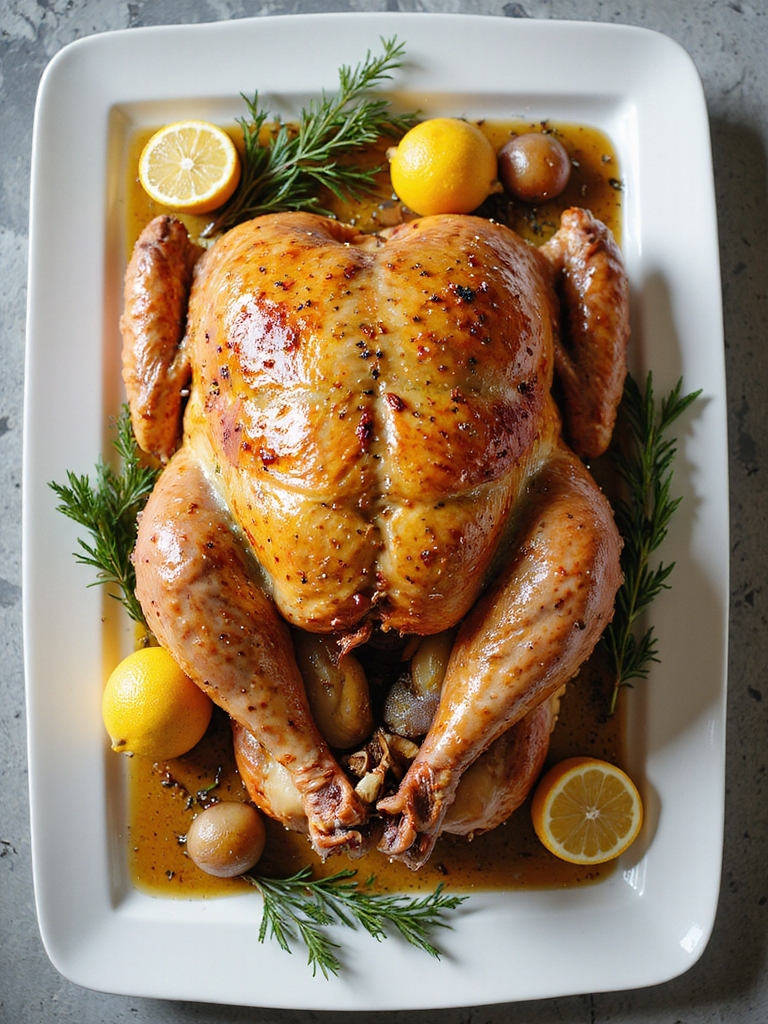
For those new to roasting, it’s important to start with a straightforward approach to guarantee success. Begin by preparing your turkey with a flavorful herb mixture that easily enhances the meat. You can keep it simple while still producing a beautifully golden and aromatic turkey. Choose fresh herbs and season generously for the best results, allowing beginners to impress with limited experience. Delicious turkey breast recipes can also provide inspiration for further culinary adventures.
Ingredients:
- 1 whole turkey (12-14 pounds)
- Fresh rosemary sprigs
- Fresh thyme sprigs
- Fresh sage leaves
- Salt and pepper
- Olive oil
- 1 onion, quartered
- 1 lemon, halved
- 1 garlic bulb, halved
Preheat your oven to 325°F and place the turkey on a roasting rack in a roasting pan. Stuff the cavity with onion, lemon, garlic, and herbs, then rub the skin with olive oil, salt, and pepper. Roast until the internal temperature reaches 165°F, basting occasionally.
Let the turkey rest for 20 minutes after removing it from the oven to guarantee the juices redistribute evenly. A meat thermometer is essential to check the internal temperature quickly, helping avoid undercooked or overcooked results.
Advanced Roasting Tips and Tricks
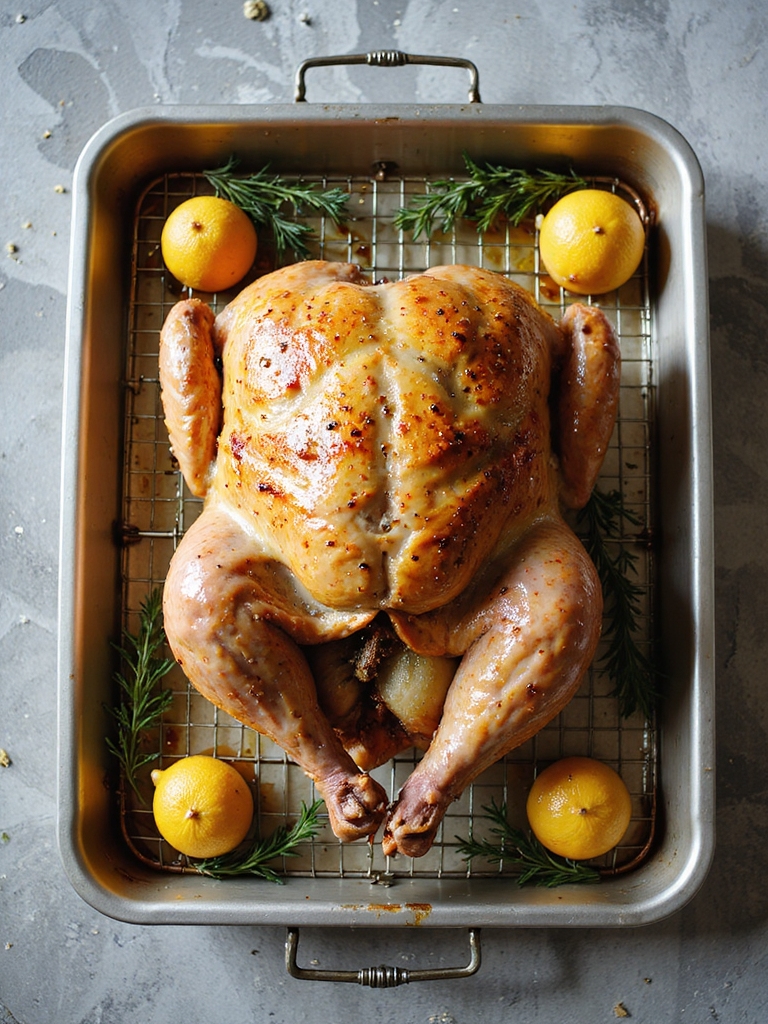
For those looking to elevate their turkey roasting skills, advanced techniques like dry brining and spatchcocking can enhance flavor and guarantee even cooking. A dry brine involves seasoning your turkey with a mixture of salt, sugar, and spices several days before roasting, which tenderizes the meat. Spatchcocking, or removing the backbone, allows the turkey to lie flat for quicker, more uniform cooking. Consider pairing your roasted turkey with delicious smoked turkey breast for a delightful flavor contrast.
Ingredients:
- 1 whole turkey (12-14 pounds), backbone removed
- 1/4 cup kosher salt
- 2 tablespoons brown sugar
- 1 tablespoon smoked paprika
- 1 tablespoon garlic powder
- Fresh cracked black pepper
- Olive oil
To roast the spatchcocked turkey, rub the dry brine beneath the skin and across the surface. Leave it uncovered in the refrigerator for 24-48 hours. Preheat your oven to 450°F, brush with olive oil, and roast on a baking sheet until the skin is crisp and the internal temperature reaches 165°F. Rest for 20 minutes before carving to allow the juices to settle.
Consider using a convection oven setting to reduce cooking time and achieve an evenly crisped skin. Furthermore, using a wire rack inside the baking sheet promotes airflow, allowing the turkey to cook uniformly and preventing soggy skin.
Delicious Glazes and Rubs
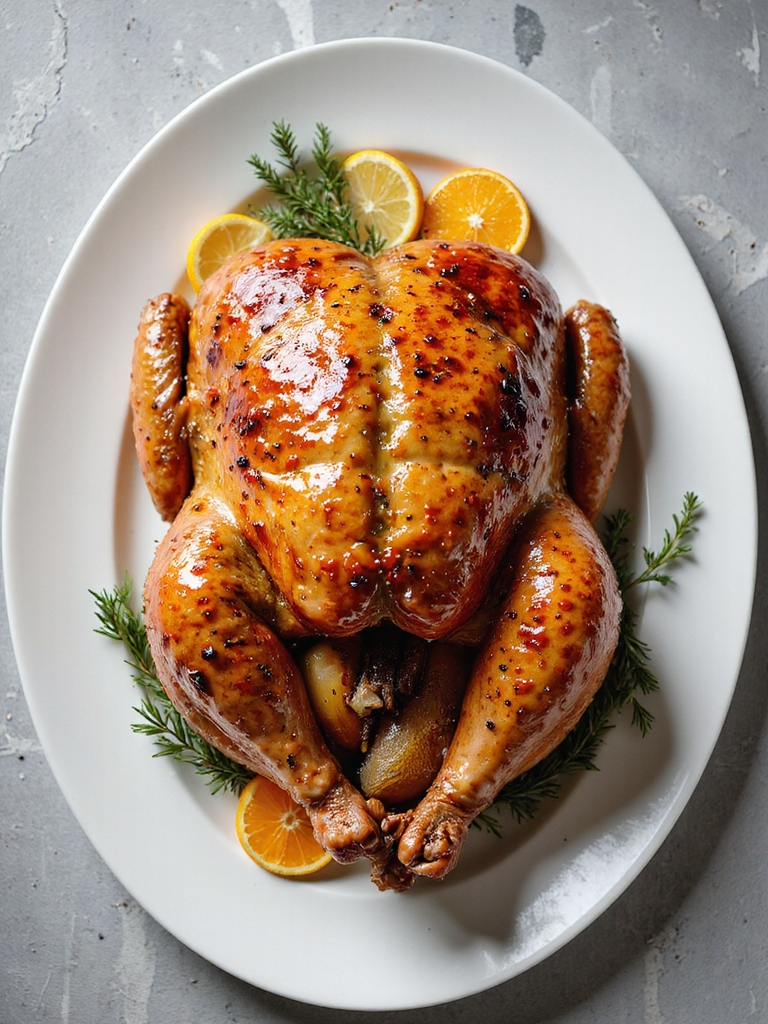
Elevate your roasted turkey with delicious glazes and rubs that add layers of flavor and depth to your holiday centerpiece. A sweet and savory glaze made with maple syrup, Dijon mustard, and fresh herbs enhances the turkey’s natural flavors while providing a caramelized finish. This glaze can be brushed on during the last 30 minutes of roasting for optimum flavor infusion.
- 1/2 cup maple syrup
- 1/4 cup Dijon mustard
- 1 tablespoon fresh thyme leaves
- 1 tablespoon fresh rosemary, finely chopped
- Salt and pepper to taste
To prepare the glaze, combine maple syrup, Dijon mustard, thyme, rosemary, salt, and pepper in a bowl. Stir well until incorporated. In the last 30 minutes of turkey roasting, brush the glaze generously over the skin every 10 minutes to achieve a shiny and caramelized finish. Allow turkey to rest after cooking to let the juices redistribute.
For extra depth, experiment with adding citrus zest or a touch of cayenne pepper to the glaze. Ensuring the glaze has a thick consistency helps it adhere to the turkey’s skin, resulting in a vibrant, flavorful crust that impresses every palate.
Resting Your Turkey for Perfect Texture
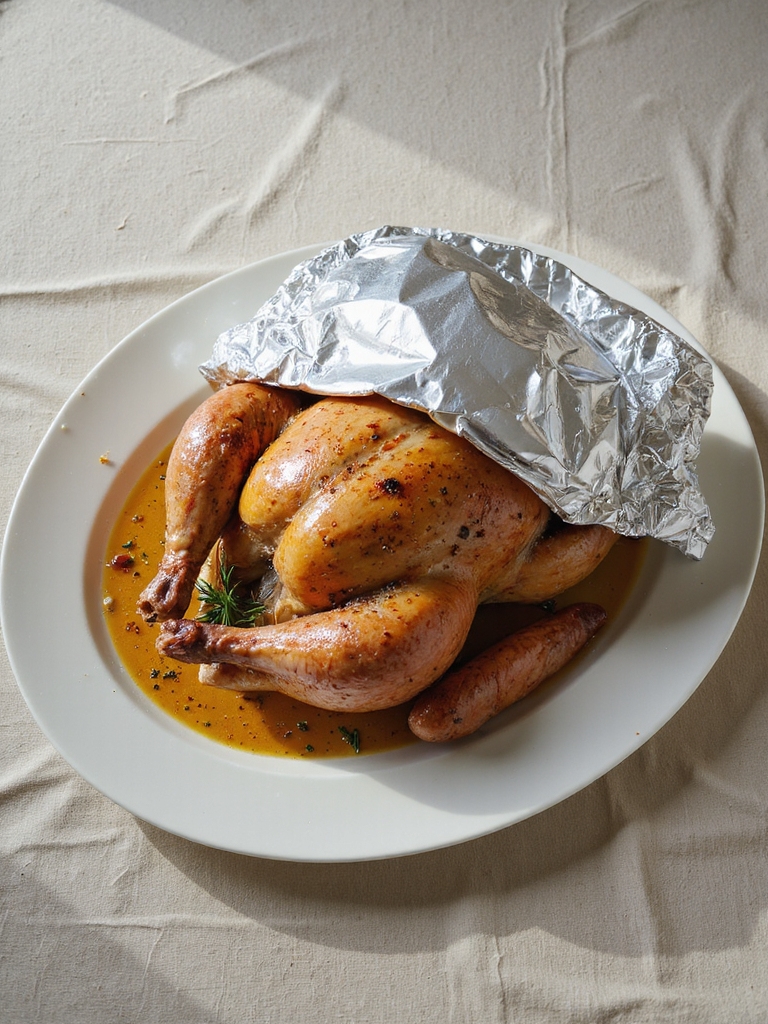
After roasting your turkey to perfection, allowing it to rest is vital to achieve the perfect texture and guarantee succulent, tender meat. Resting enables the juices to redistribute evenly throughout the turkey, preventing them from escaping when carving. Cover your turkey loosely with aluminum foil and let it rest for at least 20 to 30 minutes before serving. This important step enhances flavors greatly and delivers a juicy, flavorful bird.
Ingredients:
- Roasted turkey
- Aluminum foil
After taking the turkey out of the oven, transfer it to a serving platter and loosely tent it with aluminum foil. Allow it to rest undisturbed for 20 to 30 minutes. This process allows the juices to redistribute evenly, making certain the turkey remains juicy and tender. Additionally, serving your turkey with delicious turkey gravy can elevate the meal and enhance its flavors.
Make sure you rest your turkey in a warm spot to maintain its temperature. Avoid cutting too soon, as it can lead to drier meat and a less flavorful holiday experience.
Carving Like a Pro
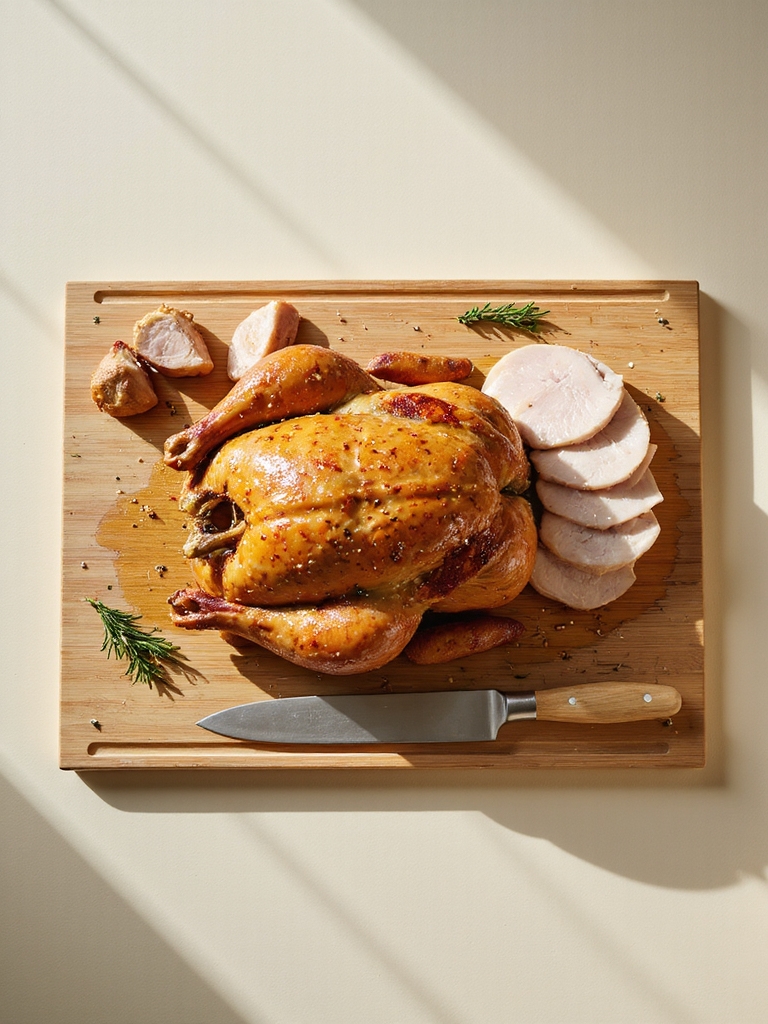
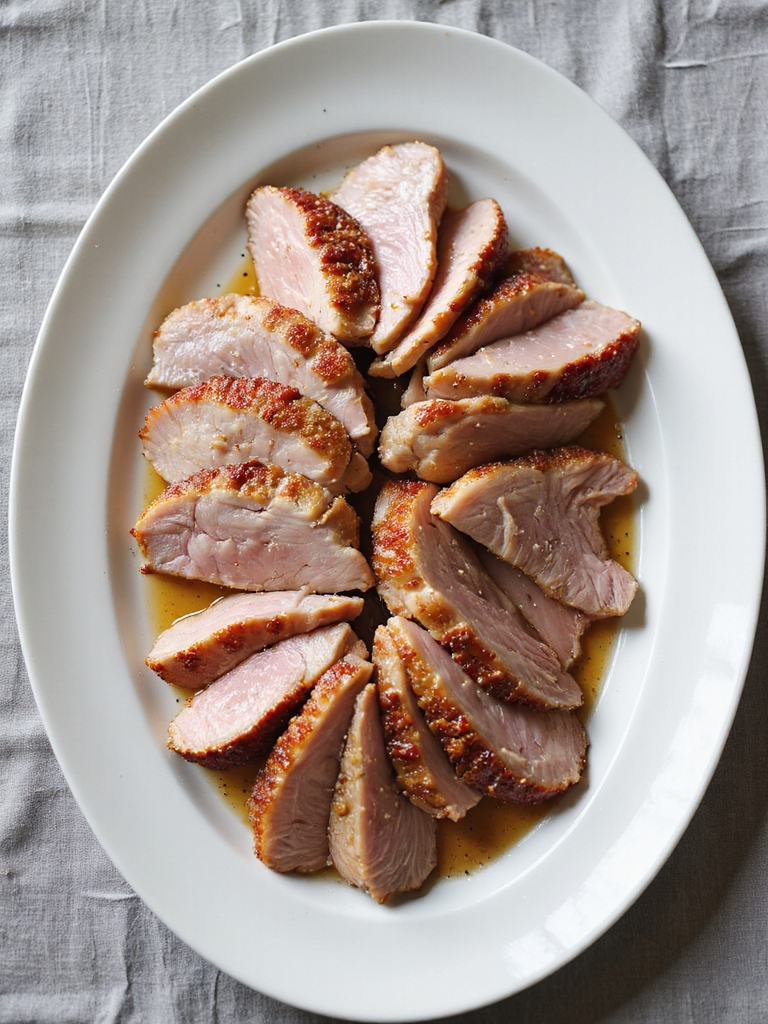
Carving a turkey like a pro is the crowning moment of any holiday feast. Start by positioning your turkey on a cutting board with the breast side facing up. Begin by removing the legs and thighs: cut through the skin and joint where the thigh meets the breast. Next, carve the breast meat by slicing parallel to the breastbone, creating even and juicy slices. Finally, use the tip of your knife to separate the wing joints from the body to serve whole.
Ingredients:
- Roasted turkey
- Cutting board
- Sharp carving knife
To carve the turkey, anchor it securely on the cutting board and begin with the legs by separating them at the hip joint. Remove the breast by slicing along the breastbone with even pressure to guarantee uniform slices. Finally, carve the wings by cutting through each joint where it meets the turkey’s body, keeping the cuts smooth.
Always use a sharp carving knife for even and clean cuts, and be certain to tug gently with your hand to guide the meat away from the carcass. Keep the cutting board stable to maintain safety and precision while carving the turkey.
Pairing Sides and Sauces
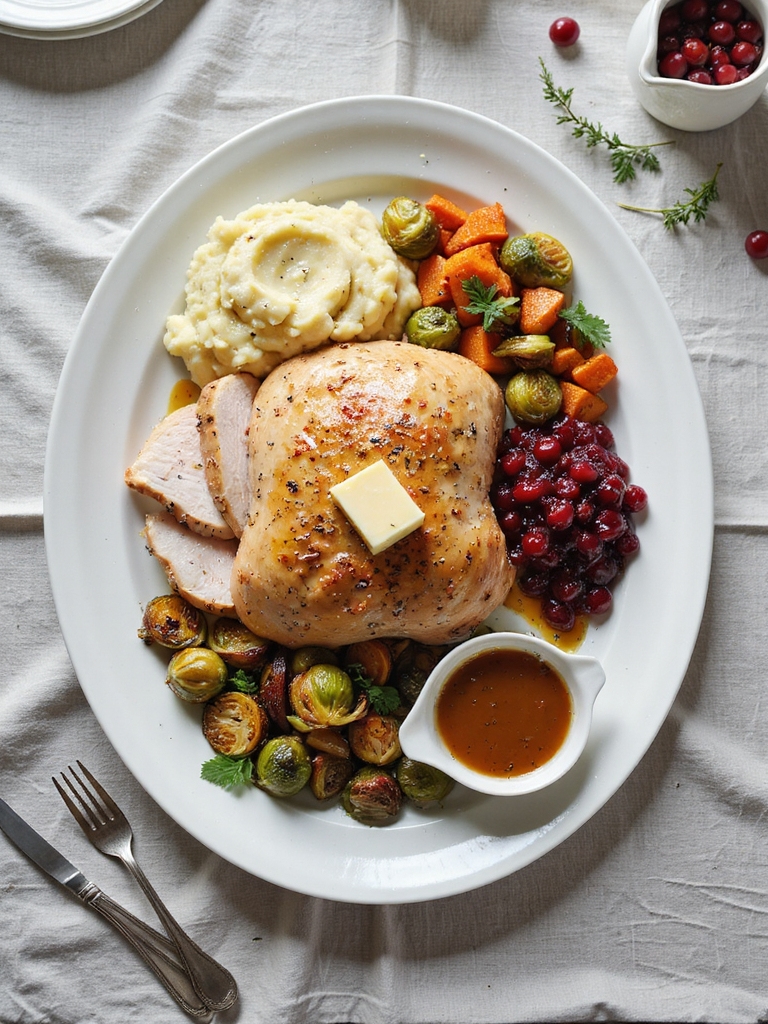
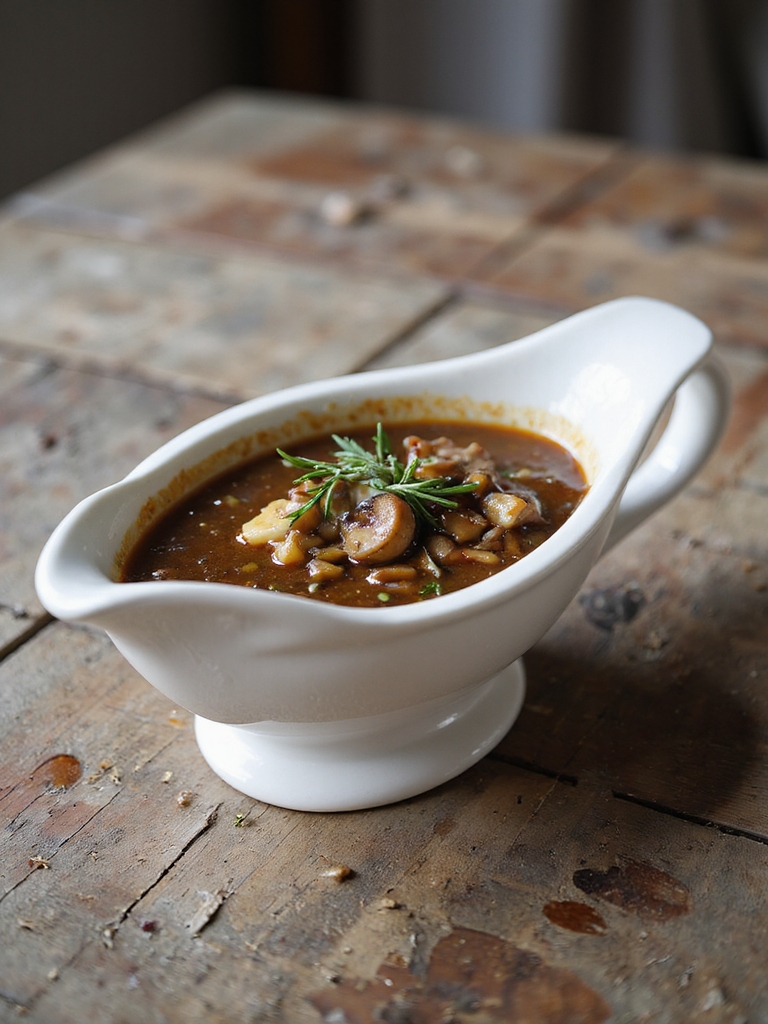
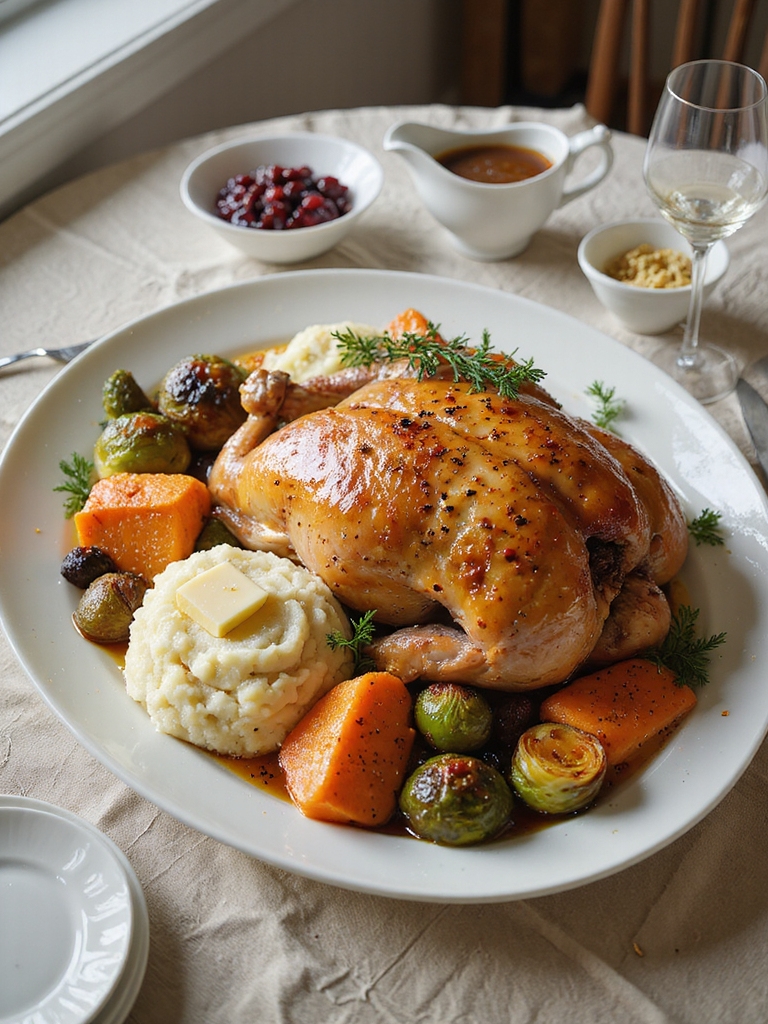
Pairing sides and sauces with roasted turkey enhances the flavors and elevates the entire dining experience. Opt for classic sides like creamy mashed potatoes and roasted vegetables, complemented by a delicious cranberry sauce or a rich gravy. These accompany the turkey, balancing the meal with textures and flavors that enhance and contrast with the savoriness of the roasted meat.
- Mashed potatoes
- Roasted vegetables (carrots, Brussels sprouts, etc.)
- Cranberry sauce
- Gravy
In a medium saucepan, combine cranberries, sugar, and water; bring to a boil until cranberries pop. Roast vegetables in the oven with olive oil, salt, and pepper until tender. Prepare mashed potatoes by boiling peeled potatoes, then mashing with butter, cream, and seasonings to desired consistency; keep warm until serving.
When making mashed potatoes, use Yukon Golds for a creamier texture, and for a deeper flavor profile in the cranberry sauce, consider adding orange zest. Keep everything warm until serving, ensuring all the elements are ready at the same time to serve fresh.