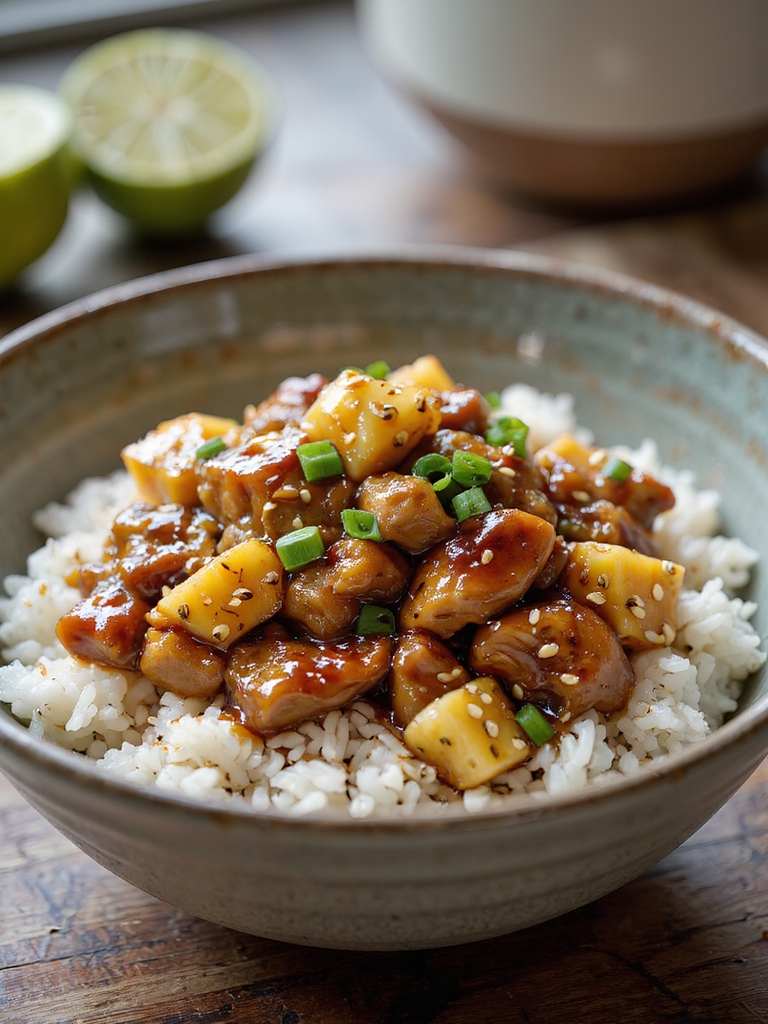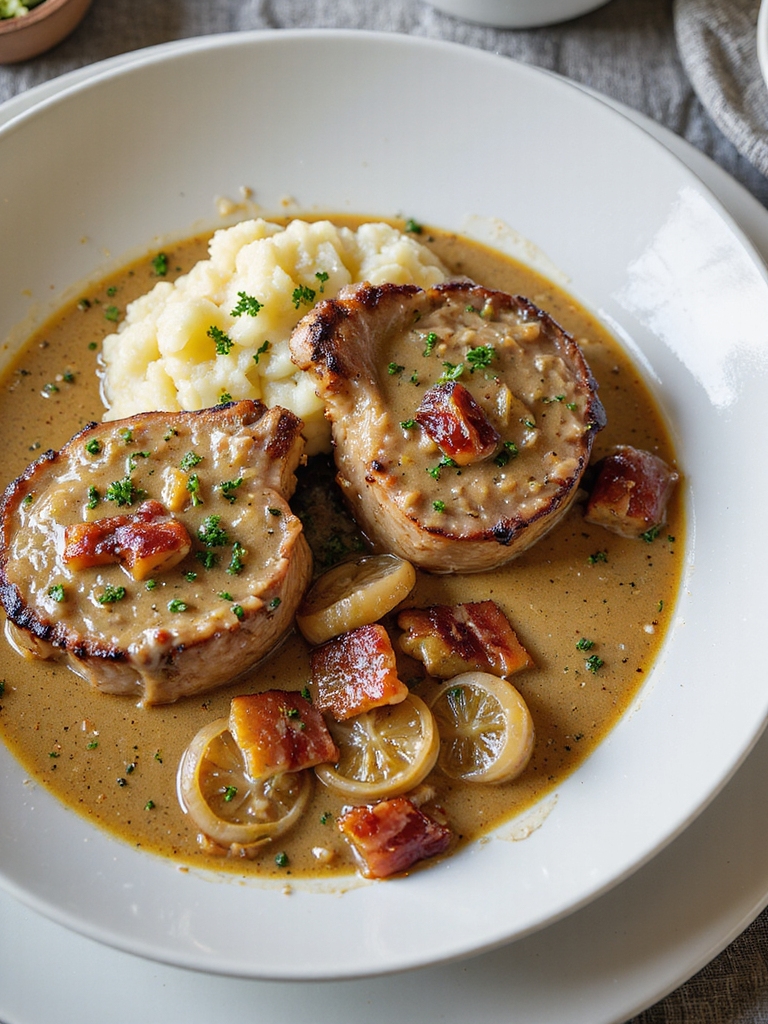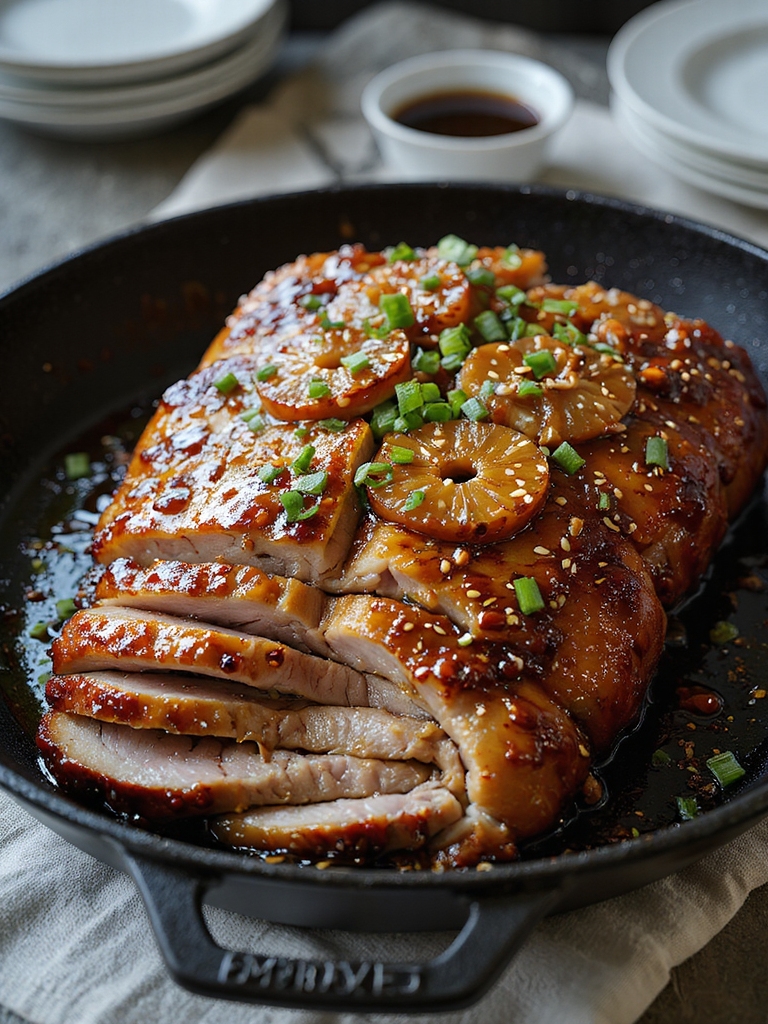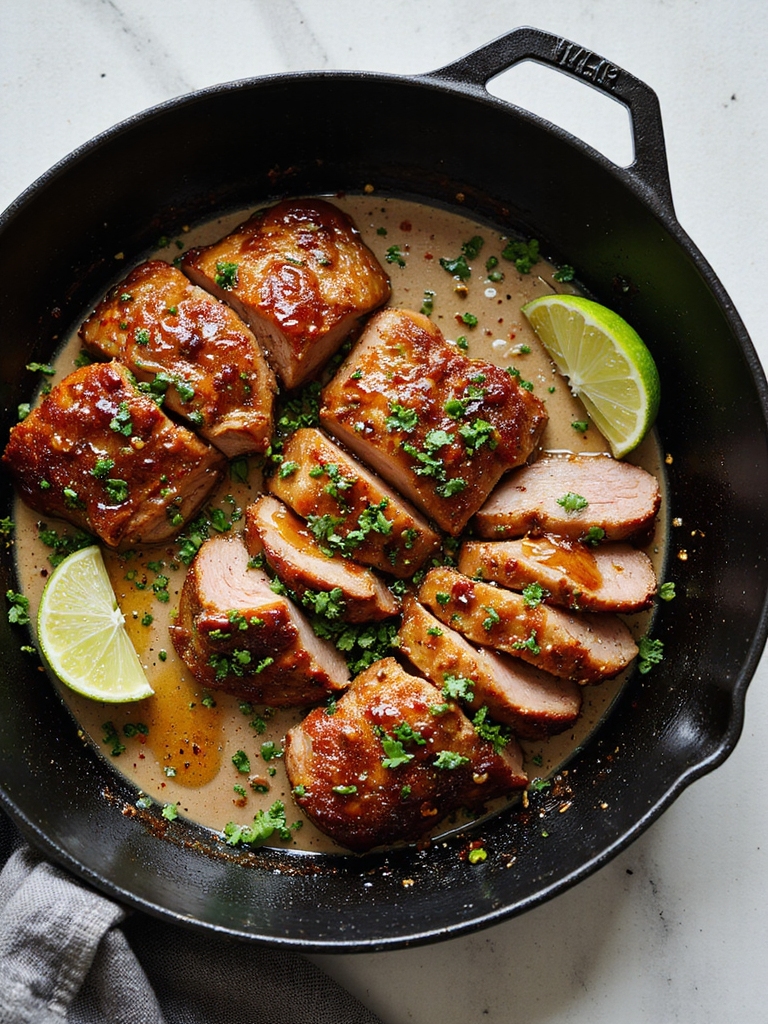

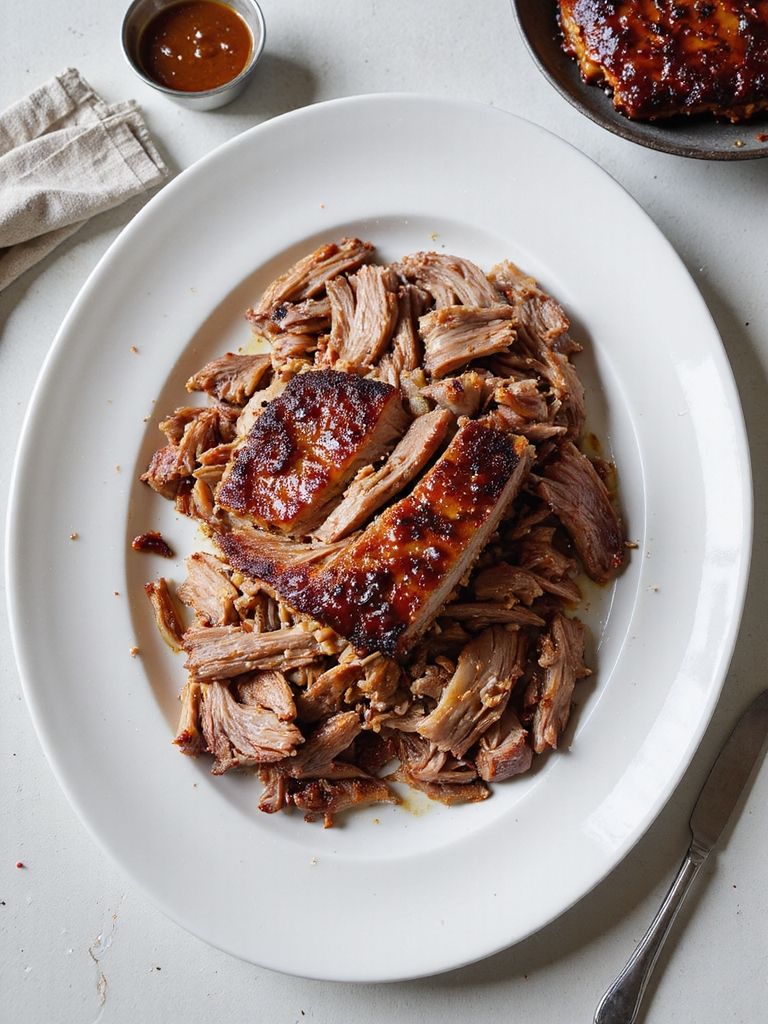
I’ve spent years chasing the perfect smoked pulled pork, and I’ll tell you it’s equal parts patience, simple technique, and good ingredients. I’ll walk you through choosing the right cut, trimming and seasoning, smart smoking choices, and how to know when it’s ready to pull.
Stick with me and you’ll be turning out tender, flavorful pork that becomes the centerpiece of sandwiches, plates, and weekend memories—and there’s a few tricks I’m saving for later.
Choosing the Right Cut: Boston Butt Vs Picnic Roast
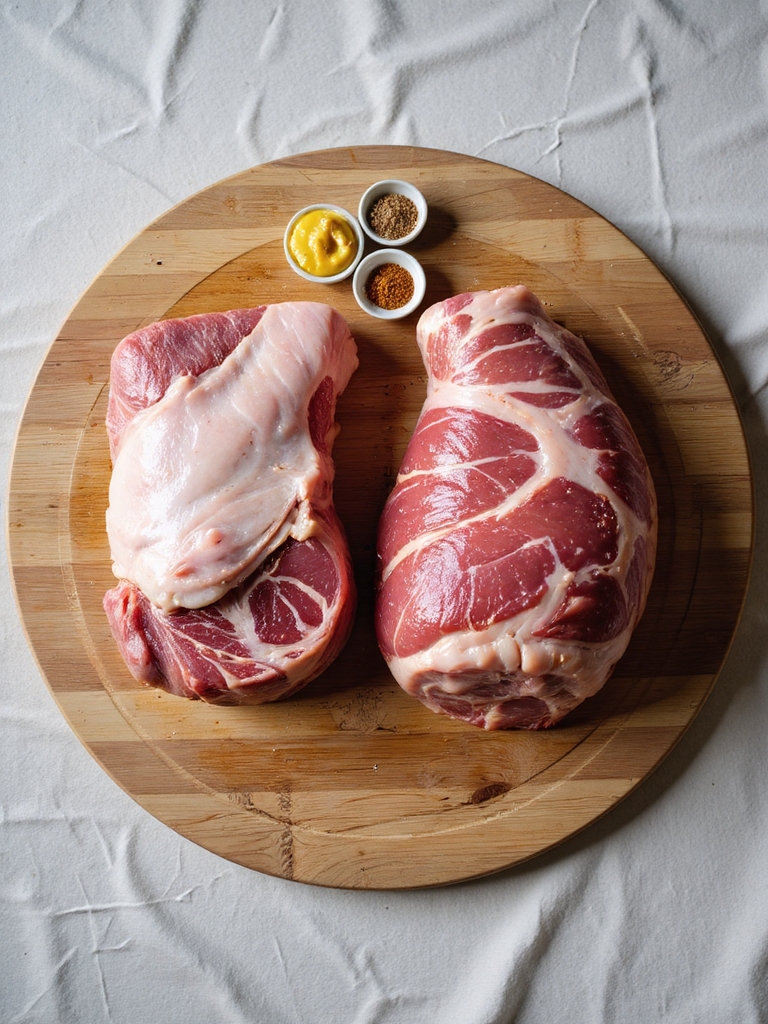
Choosing between a Boston butt and a picnic roast matters for texture and fat content: Boston butt (upper shoulder) is fattier and more forgiving for pull-apart tenderness, while picnic roast (lower shoulder) has more connective tissue and a slightly coarser grain that benefits from longer, slower cooking; this recipe assumes a 6–8 lb bone-in Boston butt but can be adapted to picnic roast by extending cook time and monitoring internal temperature.
- 6–8 lb bone-in Boston butt (or 6–8 lb picnic roast)
- 1/4 cup yellow mustard (binder)
- 1/2 cup brown sugar
- 3 tbsp kosher salt
- 2 tbsp black pepper
- 2 tbsp smoked paprika
- 1 tbsp garlic powder
- 1 tbsp onion powder
- 1 tsp cayenne (optional)
- 1 cup apple juice or apple cider (for spritzing)
- Wood: hickory or apple
Prepare the smoker to a steady 225°F (107°C); trim excess silver skin but leave good fat cap, slather the meat with mustard, then evenly apply the dry rub and let rest 30–60 minutes; place meat fat-side up on the smoker, insert a probe thermometer into the thickest part away from bone, smoke until bark forms and internal temp reaches 165°F (74°C) then wrap tightly in foil or butcher paper and continue smoking until 195–205°F (90–96°C) for pull-apart tenderness (expect 1.5–2 hours per pound for picnic roast or 1–1.5 hours per pound for Boston butt), spritz with apple juice every hour before wrapping and rest wrapped for at least 1 hour before shredding; unwrap, discard excess fat and bone, shred with forks, mix some juices back in and adjust seasoning.
If using picnic roast, plan on longer cook time and consider a short braise after smoking if tenderness lags; always rest well and remove large pieces of fat and gristle when pulling for best texture.
Smoked pork shoulder benefits from low-and-slow cooking and the use of hickory or apple wood to impart a balanced smoky flavor.
Essential Tools and Equipment for Smoking Success
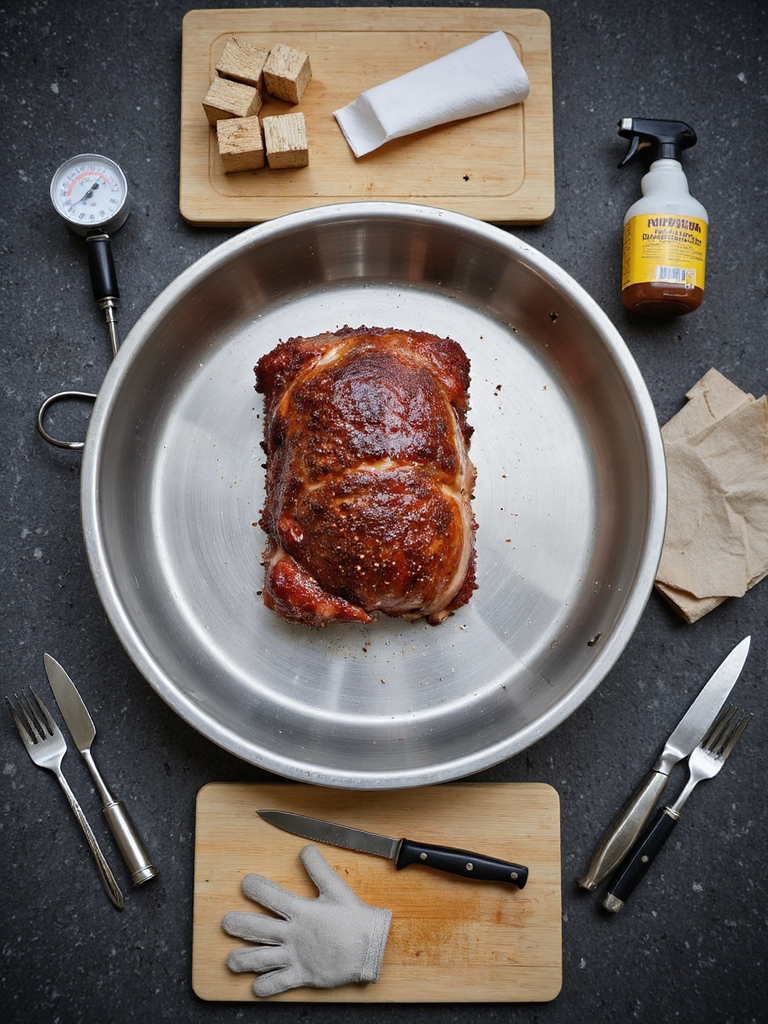
Smoking great pulled pork is as much about having the right tools as it’s about technique—this recipe outlines the essential equipment and a workflow so your 6–8 lb bone-in Boston butt (or picnic roast) becomes tender, flavorful pulled pork with consistent results every time.
- Offset, cabinet, pellet, or electric smoker capable of holding 225°F (107°C)
- Reliable probe thermometer with alarm and/or multiple probes
- Charcoal and/or fuel source plus hardwood chunks or logs (hickory or apple)
- Spray bottle or mister for apple juice/cider spritzing
- Foil or butcher paper for the stall and wrapping (camp/wrap)
- Long-handled tongs and heat-resistant gloves
- Sharp boning knife, trimming knife, and kitchen shears
- Cutting board and platter for resting and shredding
- Two forks or meat claws for pulling, plus a rimmed pan to catch juices
- Aluminum drip pan and water pan (if using charcoal/offset smoker)
Prepare the smoker to 225°F (107°C) with chosen wood, trim excess silver skin but leave a good fat cap, slather the butt with mustard and apply the dry rub evenly, insert a probe into the thickest part away from bone and place meat fat-side up on the smoker, spritz with apple juice every hour until the bark forms and the internal temp hits ~165°F (74°C), then wrap tightly in foil or butcher paper and continue until 195–205°F (90–96°C) for pull-apart tenderness, rest wrapped at least 1 hour before unwrapping, removing bone and excess fat and shredding while mixing juices back in.
Bring extra wood and fuel, monitor wind and ambient temps to keep 225°F steady, use the thermometer probe rather than time estimates, consider a water pan to stabilize temps and humidity, and practice good safety when handling hot equipment and sharp knives. This approach draws on classic Pulled Pork techniques to ensure a reliable texture and flavor every time.
Preparing the Pork: Trimming, Fat Cap, and Injection
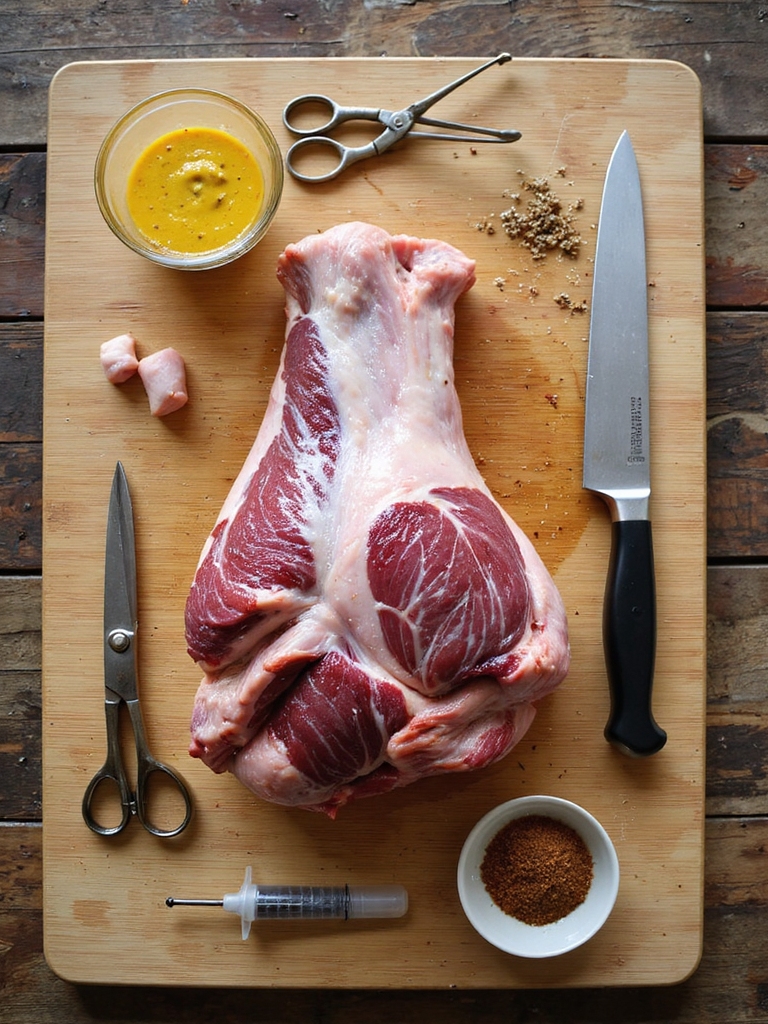
Preparing a pork butt properly sets the stage for a tender, flavorful smoked pulled pork; this recipe covers trimming excess silver skin, managing the fat cap for moisture and bark, and optional injection to boost internal flavor and juiciness so your 6–8 lb bone-in Boston butt performs perfectly on the smoker.
- 6–8 lb bone-in Boston butt (pork shoulder/picnic roast)
- Sharp boning/paring knife
- Kitchen shears
- Cutting board
- Paper towels
- 2–3 tbsp yellow or Dijon mustard (binder)
- Dry rub of choice (about 1/2–3/4 cup)
- Injection: 1 cup low-sodium chicken or beef broth, 2 tbsp apple juice or cider, 1 tbsp Worcestershire sauce, 1 tsp kosher salt, 1/2 tsp garlic powder (optional)
- Meat injector syringe and extra needles
- Plastic wrap or tray for resting before rub
Trim excess silver skin and large hard blobs of exterior fat, leaving a 1/4–1/2 inch uniform fat cap over the top to protect and baste the meat during smoking, pat the roast dry with paper towels, optionally inject the cooled injection solution in 10–12 staggered deep shots aiming for even distribution (insert needle toward center and withdraw while injecting), lightly slather mustard as a binder, apply rub evenly over all surfaces, let sit 30–60 minutes at room temp or up to overnight refrigerated, then place on preheated 225°F smoker fat-side up and proceed with your smoking schedule using a probe thermometer to track internal temp.
Tip: Trim only tough silver skin and big hard fat pockets—keep a modest fat cap for moisture, space injections evenly and don’t overfill the injector (prevent blowouts), and always pat meat dry before applying rub so the bark forms properly.
This method pairs especially well with Savory Instant Pot finish techniques for reheating or shredding if you want faster prep on busy days.
Rubs and Brines: Flavor Foundations
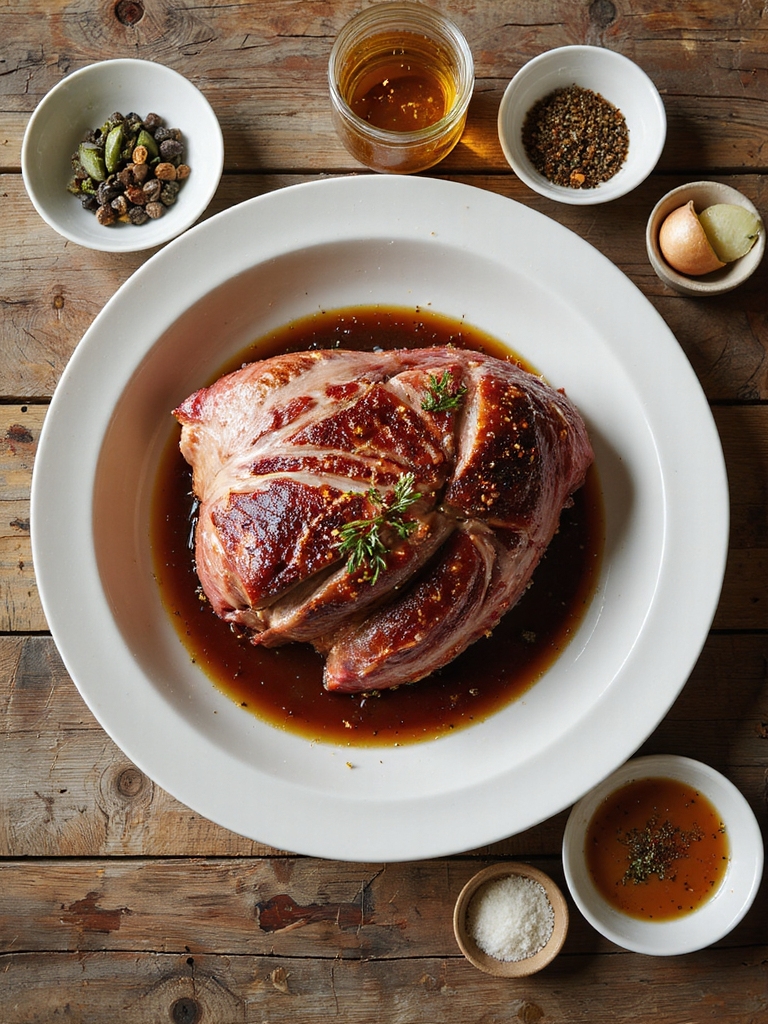
Rubs and brines are the flavor foundations for smoked pulled pork: a good brine adds moisture and carries salt and aromatics into the meat, while the dry rub creates a flavorful crust and caramelized bark; below is a versatile brine and two complementary rub options (classic sweet-spicy and savory-herb) so you can choose what profile you want before smoking your 6–8 lb bone-in Boston butt.
- Brine: 1 gallon water
- Brine: 1 cup kosher salt
- Brine: 1/2 cup brown sugar
- Brine aromatics: 4 bay leaves
- Brine aromatics: 1 tbsp black peppercorns
- Brine aromatics: 6 crushed garlic cloves
- Brine aromatics: 1 large onion, quartered
- Brine aromatics: 2 tbsp apple cider vinegar
- Classic sweet-spicy rub: 1/2 cup brown sugar
- Classic rub: 1/4 cup paprika
- Classic rub: 2 tbsp kosher salt
- Classic rub: 1 tbsp black pepper
- Classic rub: 1 tbsp chili powder
- Classic rub: 1 tsp cayenne (optional)
- Savory-herb rub: 1/4 cup kosher salt
- Herb rub: 2 tbsp coarse black pepper
- Herb rub: 2 tbsp garlic powder
- Herb rub: 2 tbsp onion powder
- Herb rub: 1 tbsp dried thyme
- Herb rub: 1 tbsp dried rosemary, crushed
For a basic method, dissolve salt and sugar into warm water, cool completely and add aromatics, submerge the trimmed pork butt in the brine (use a weight if needed) in the refrigerator for 8–12 hours, remove, rinse, and pat dry; if using only a rub skip brining and coat the meat with a binder (mustard) then apply your chosen rub generously and let sit 30–60 minutes at room temp or up to overnight refrigerated before smoking at 225°F aiming for 195–205°F internal for pulling.
Tip: Use the brine for added juiciness with caution on highly seasoned rubs—rinse and dry well to allow bark formation and balance salt levels if you brined.
Brining and rubbing are both time-tested techniques rooted in classic pork rib recipes and will reliably improve flavor and texture when used appropriately.
Wood Choices and Smoke Profiles
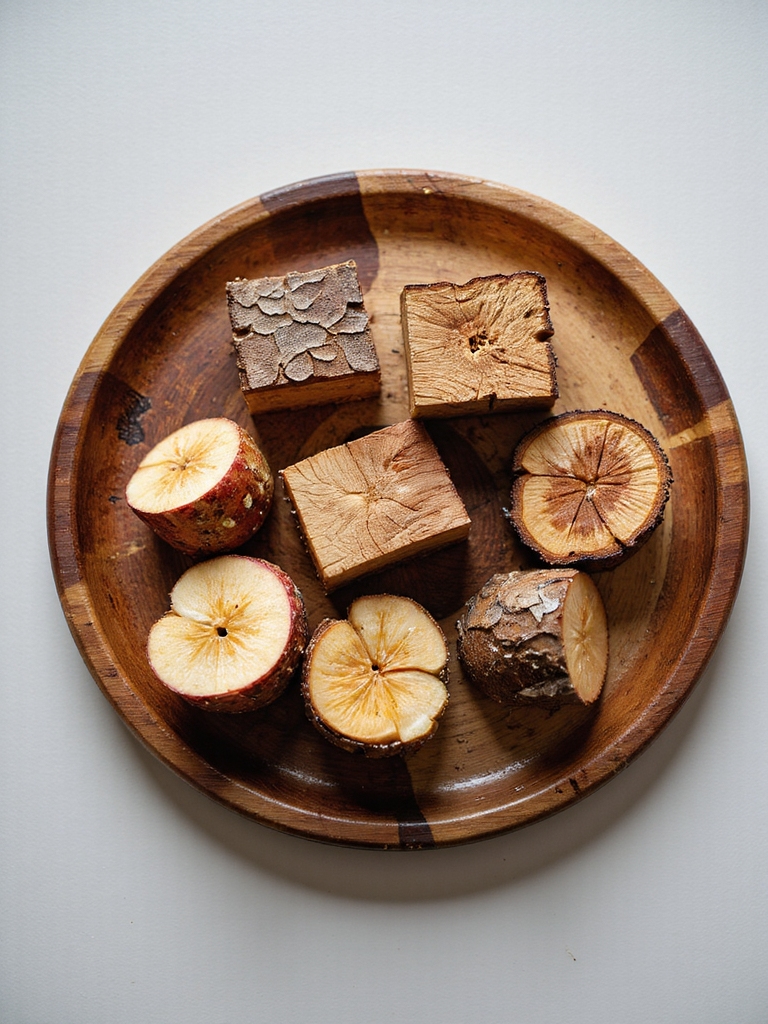
Choosing the right wood for smoking pulled pork shapes the flavor — fruitwoods like apple or cherry give a mild, sweet profile that complements a sweet-spicy rub, while hickory and oak offer stronger, classic smoky depth; pecan sits between mild and robust.
Mix woods sparingly (e.g., 70% base wood like hickory + 30% fruitwood) to avoid overpowering the pork, and use small, consistent amounts of smoke throughout a long 225°F cook to build balanced bark and deep smoke ring without bitterness.
- 6–8 lb bone-in Boston butt (trimmed)
- Wood choice: apple, cherry, hickory, oak, pecan (select 1–2)
- Smoking fuel: lump charcoal or briquettes
- Binder (optional): yellow mustard
- Chosen rub (from prior section) or 1/2 cup classic sweet-spicy rub
- Water pan for smoker
- Instant-read thermometer or probe
Set up smoker for indirect heat and stabilize at 225°F using lump charcoal or briquettes and add your chosen wood chunks or chips to produce thin, blue smoke; place the pork fat-side up on the grate over a water pan, insert a probe into the thickest part, and maintain 225°F, replenishing fuel and wood every 45–90 minutes as needed, smoke until the internal temperature reaches 195–205°F (expect 10–14 hours depending on size).
Wrap in foil or butcher paper at 160–165°F to push through the stall if desired, rest 30–60 minutes before pulling.
Keep airflow steady to sustain clean smoke, avoid smoldering wood that creates thick, bitter smoke, and use small, timed additions of wood (chunks over chips) to keep smoke flavor even; taste profile can be adjusted by choosing milder fruitwoods for subtle sweetness or hickory/oak for stronger smoke. A well-timed wrap also helps retain moisture and speed cooking to reach the target temperature.
Temperature Management: Stall, Target Temps, and Timing
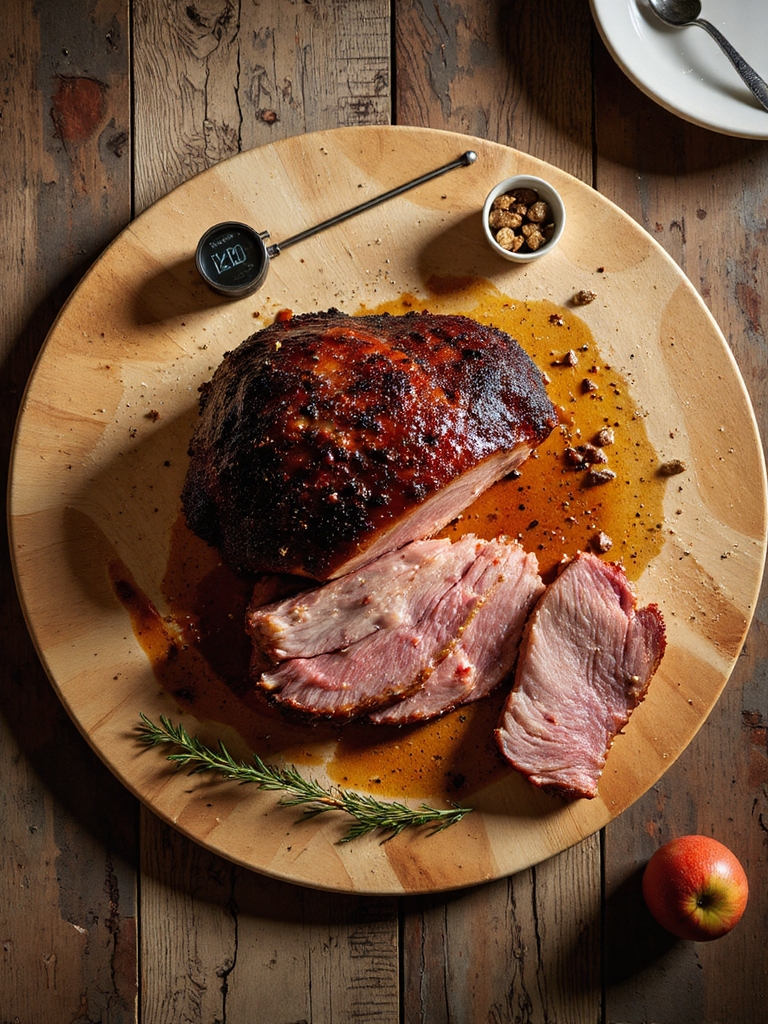
Managing temperature and the stall is essential to reliably produce tender, juicy smoked pulled pork; this recipe focuses on controlling smoker temp, recognizing the stall, using probe temps as guides, and timing decisions like when to wrap and rest to hit the 195–205°F pull range while maintaining bark and moisture.
- 6–8 lb bone-in Boston butt (trimmed)
- 1/2 cup classic sweet-spicy rub
- 1–2 tbsp yellow mustard (optional binder)
- Wood chunks: apple, hickory, or a 70/30 blend
- Lump charcoal or briquettes
- Water pan
- Instant-read thermometer or probe
- Heavy-duty foil or peach butcher paper (optional for wrapping)
Set smoker for indirect heat and stabilize at 225°F, apply binder and rub, place pork fat-side up over a water pan and insert probe into the thickest part; expect a 10–14 hour cook where the temp may stall around 150–170°F—maintain steady 225°F heat and add small wood chunks every 45–90 minutes, and when the probe hits 160–165°F you may wrap tightly in foil or butcher paper to push through the stall and shorten cooking time, then continue until internal temp reaches 195–205°F and rest 30–60 minutes before pulling.
Tip: If bark is developing well and you want shorter cook time wrap at 160–165°F; if you prefer maximum bark hold unwrapped through the stall and plan for a longer cook, and always monitor probe temp not elapsed hours.
For easier weeknight versions, consider crock pot pulled pork methods for low-and-slow convenience with simple seasoning and hands-off cooking.
Wrapping Techniques: To Wrap or Not to Wrap
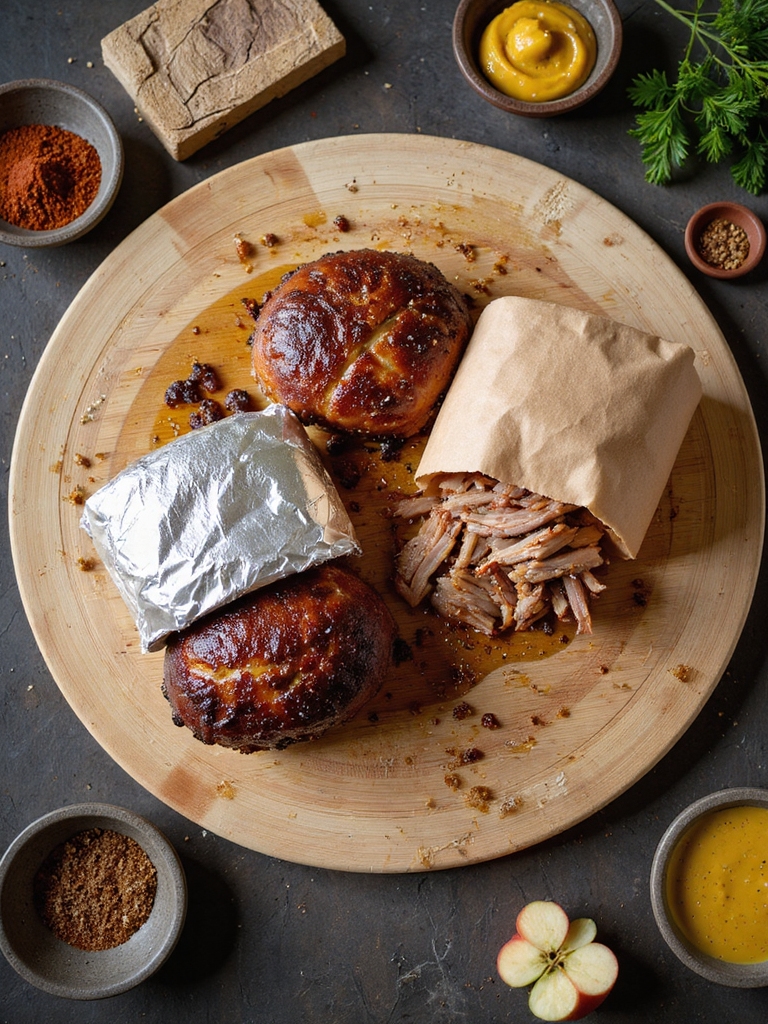
Wrapping smoked pulled pork is a choice between preserving maximum bark and using a tight steam trap to push through the stall and shorten cook time; this recipe explains when and how to wrap in foil or peach butcher paper, how to prepare the butt for wrapping, and how to finish to 195–205°F for perfect pull while keeping moisture and texture.
- 6–8 lb bone-in Boston butt (trimmed)
- 1/2 cup sweet-spicy rub
- 1–2 tbsp yellow mustard (optional binder)
- Wood chunks (apple, hickory, or blend)
- Lump charcoal or briquettes
- Water pan
- Heavy-duty foil or peach butcher paper
- Instant-read thermometer or probe
Set smoker to 225°F and stabilize, apply mustard binder and rub, place fat-side up over a water pan and insert probe into the thickest part, smoke unwrapped adding small wood chunks every 45–90 minutes until probe hits 160–165°F then remove and wrap tightly in foil for faster transit through the stall or in butcher paper for better bark retention, return to smoker until internal temp reaches 195–205°F, let rest in a cooler or insulated pan for 30–60 minutes before unwrapping and pulling.
Tip: Choose foil for speed and maximum juiciness when time is limited, or peach butcher paper when you want to balance bark and moisture; always use probe temperature not time to decide wrapping and doneness.
For more consistent smoke flavor use a mix of wood and charcoal and maintain a steady temperature by replenishing fuel as needed, which helps avoid over-smoking and balanced smoke.
Resting, Pulling, and Shredding for Perfect Texture
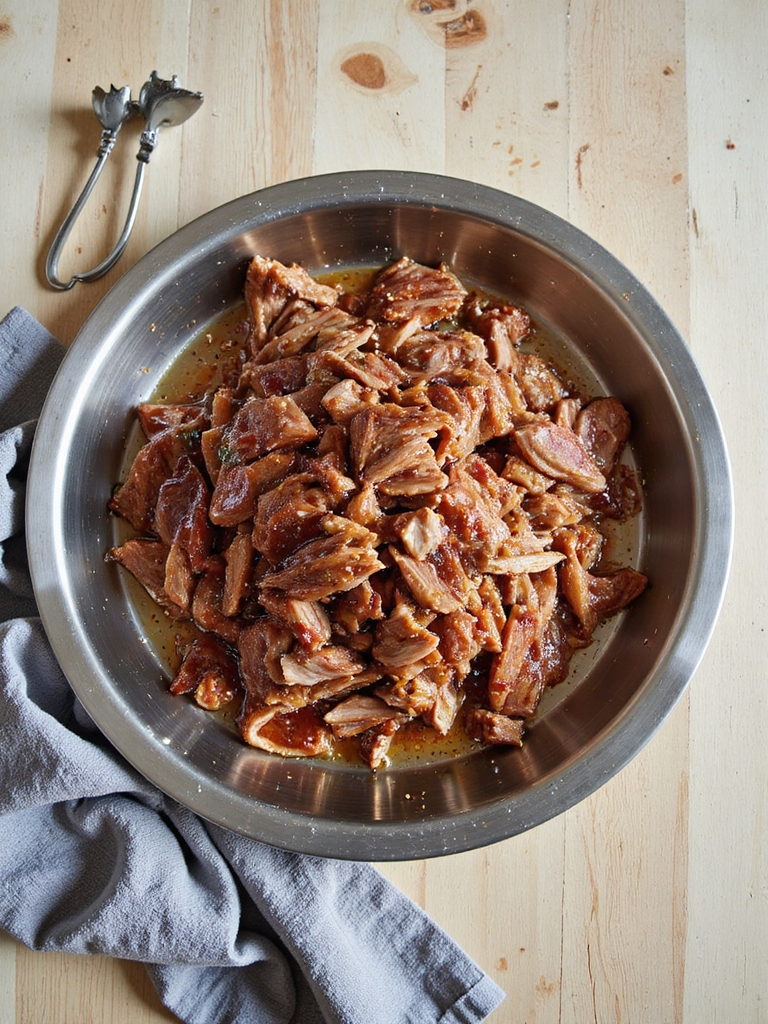
Resting, pulling, and shredding are the final, vital steps that transform a smoked Boston butt into tender, juicy pulled pork with the right texture and crust — this section covers how long to rest, how to unwrapping and pull for consistent strands, and how to finish with seasoning, mop or sauce so every bite is moist and flavorful.
- 6–8 lb smoked Boston butt (wrapped during cook, 195–205°F internal)
- Heavy-duty foil or insulated cooler for resting
- Heat-resistant gloves or tongs
- Two forks or meat claws (or gloved hands)
- Small bowl with reserved pan juices or 1/4 cup apple juice
- Optional finishing salt and vinegar-based or sweet-spicy sauce
After removing the wrapped pork from the smoker, transfer it (still wrapped) to an insulated cooler or warm oven and rest for 30–60 minutes to let juices redistribute and the internal temp even out; unwrap carefully over a tray catching juices, reserve the liquid for finishing, then shred using two forks or claws by pulling along the grain to create long strands and mix in reserved juices or a few tablespoons of sauce incrementally until you reach your desired moisture and texture, seasoning with finishing salt or a splash of vinegar to taste before serving. For a convenient alternative, boneless country style pork ribs can be used in recipes that call for shredded pork, offering similar texture and flavor when cooked properly and shredded boneless country style ribs.
Sauce Pairings and Serving Ideas
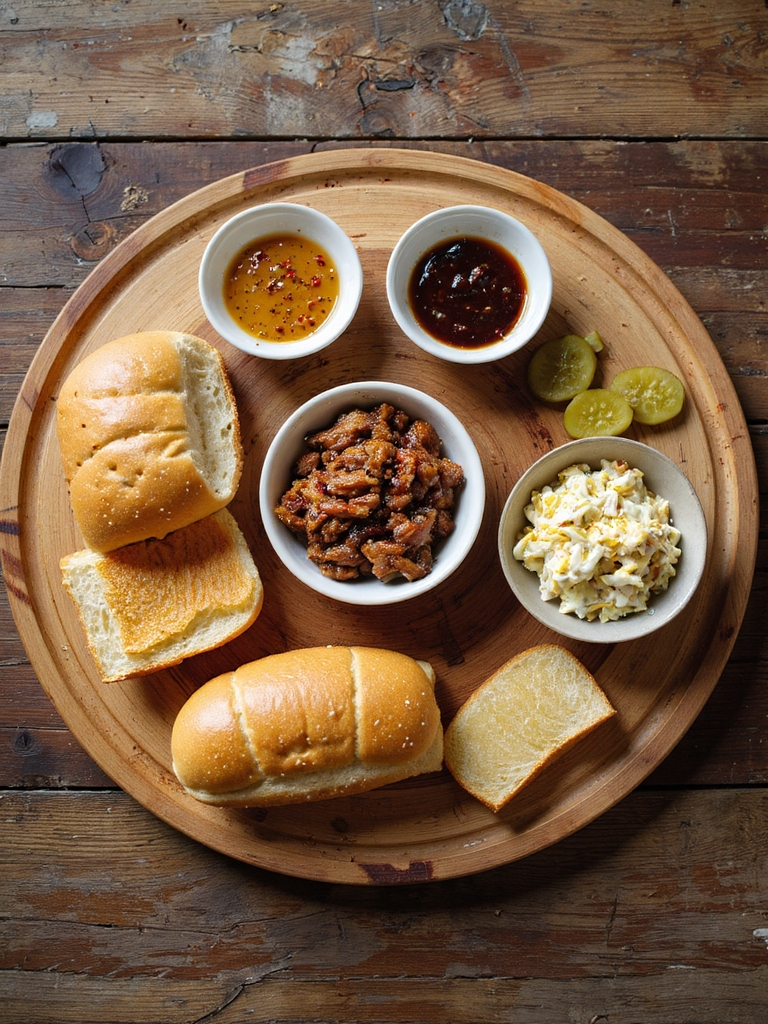
Sauce Pairings and Serving Ideas: Build a set of complementary sauces and serving options that enhance your rested, pulled smoked pork — offer a vinegar-forward Carolina sauce to cut richness, a molasses-sweet Kansas-style for glaze and sticky bites, and a tangy mustard or tangy-yogurt slaw to add brightness; present pulled pork as sandwiches, tacos, nachos, sliders, or atop baked potatoes and salads so each serving highlights a different sauce and texture.
- 1 cup apple-cider vinegar (for vinegar sauce)
- 1/2 cup ketchup
- 1/4 cup molasses
- 2 tbsp brown sugar
- 2 tbsp Dijon or yellow mustard
- 1 tsp crushed red pepper
- 1/2 tsp smoked paprika
- 1/4 cup honey
- 2 tbsp Worcestershire sauce
- 1/4 cup mayonnaise (for slaw or mayo-based sauce)
- 1 cup finely shredded cabbage (for slaw)
- 1/4 cup chopped pickles or relish
- 1/4 cup reserved pan juices or apple juice
To make sauces and serve, whisk vinegar, sugar, crushed red pepper, and a pinch of salt for a classic Carolina drizzle while simmering ketchup, molasses, brown sugar, Worcestershire and smoked paprika until glossy for a Kansas-style glaze then toss pulled pork with small amounts of each sauce to taste and assemble on toasted buns with slaw and pickles; alternatively offer sauces in ramekins for guests to customize and use reserved pan juices to loosen any sauce if the pork needs more moisture.
Tip: Label sauces for guests (vinegar-hot, sweet-glaze, mustard) and always offer them on the side so each diner can control sweetness, heat, and moisture.
Serve with classic sides like baked beans, coleslaw, and cornbread to complete the meal and spotlight the pulled pork you smoked.
Troubleshooting Common Pulled Pork Problems
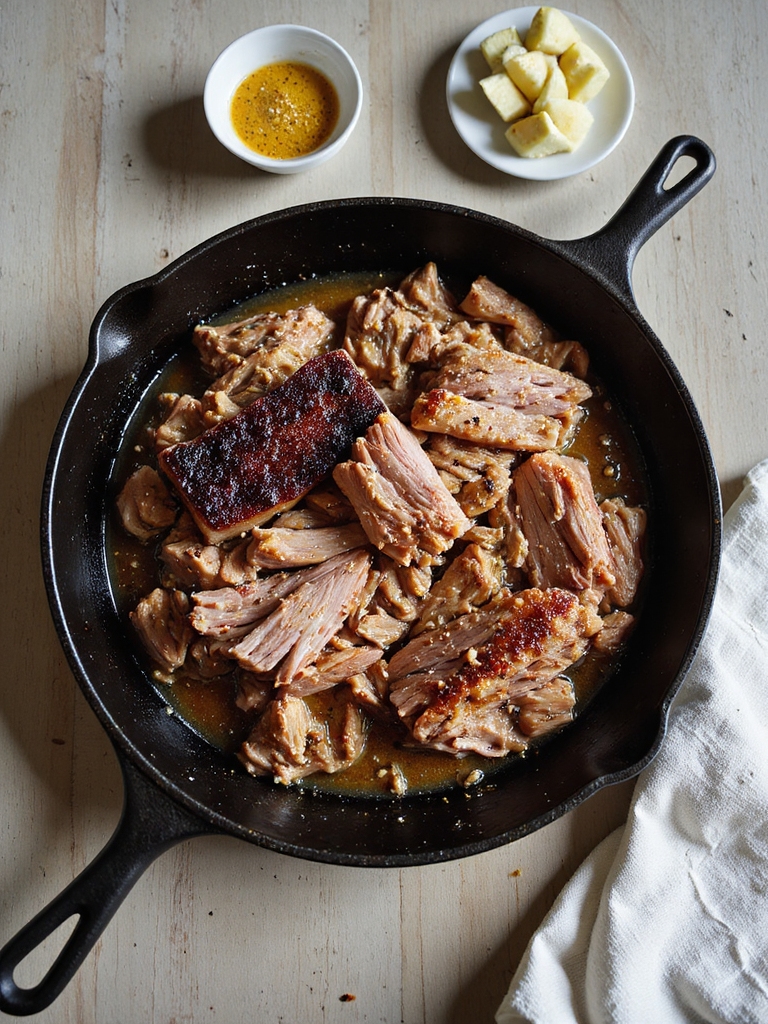
Troubleshooting Common Pulled Pork Problems: This recipe-style troubleshooting guide walks you through diagnosing and fixing frequent issues with smoked pulled pork — under-smoking, dry meat, fatty chew, lack of bark, or sauce problems — by treating the process like a recipe: selecting the right cut and fat cap, prepping the rub and brine, controlling smoke and temperature, using rest and spritzing, and finishing with proper shredding and saucing so you end up with moist, flavorful pulled pork.
- 1 (5–8 lb) pork shoulder/boston butt with good marbling
- 2 tbsp kosher salt
- 2 tbsp brown sugar
- 1–2 tbsp black pepper
- 1 tbsp smoked paprika
- 1 tsp garlic powder
- 1 tsp onion powder
- 1 cup apple juice or apple cider for spritz
- 1/2 cup reserved pan juices or broth
- 2 tbsp yellow mustard (binder)
- 1/4 cup oil (for rub if making paste)
- Wood chunks (hickory or apple) and charcoal or smoker fuel
- Thermometer (instant-read and/or probe)
Preheat smoker to stabilize at 225–250°F and address common failures by trimming excessive fat leaving a thin cap, applying a mustard binder and dry rub, maintaining clean even smoke (avoid heavy creosote), smoke until stall/160–170°F then wrap or use a foil pouch with apple juice to power through the stall while monitoring internal temp.
Finish to 195–205°F for proper collagen breakdown, rest 30–60 minutes in a cooler, then check for dryness (toss with reserved juices or sauce), insufficient bark (return to unwrapped smoker briefly), or fatty chew (trim large unrendered pieces) and adjust slicing vs pulling accordingly.
Tip: Use the thermometer and time-tested cues (probe slides like softened butter, meat jiggle, and rendered fat appearance) to decide doneness and rely on rest and reserved juices or sauce to rescue dryness.
A well-crusted shoulder produced by slow smoking is one of the hallmarks of great barbecue and comes from choosing the right cut with good marbling and managing fat during prep.