
I love the ritual of a good steak night — picking a well-marbled ribeye or a silky filet, patting it dry, and hearing that first roar as the pan meets the meat.
I’ll show you how simple steps — a dry-brine, a smoking-hot cast iron sear, and a butter-basting finish — turn ordinary cuts into something unforgettable. Stick with me and I’ll share the tricks that keep steaks juicy and full of flavor.
Choosing the Right Cut: Ribeye, Strip, and Filet Explained
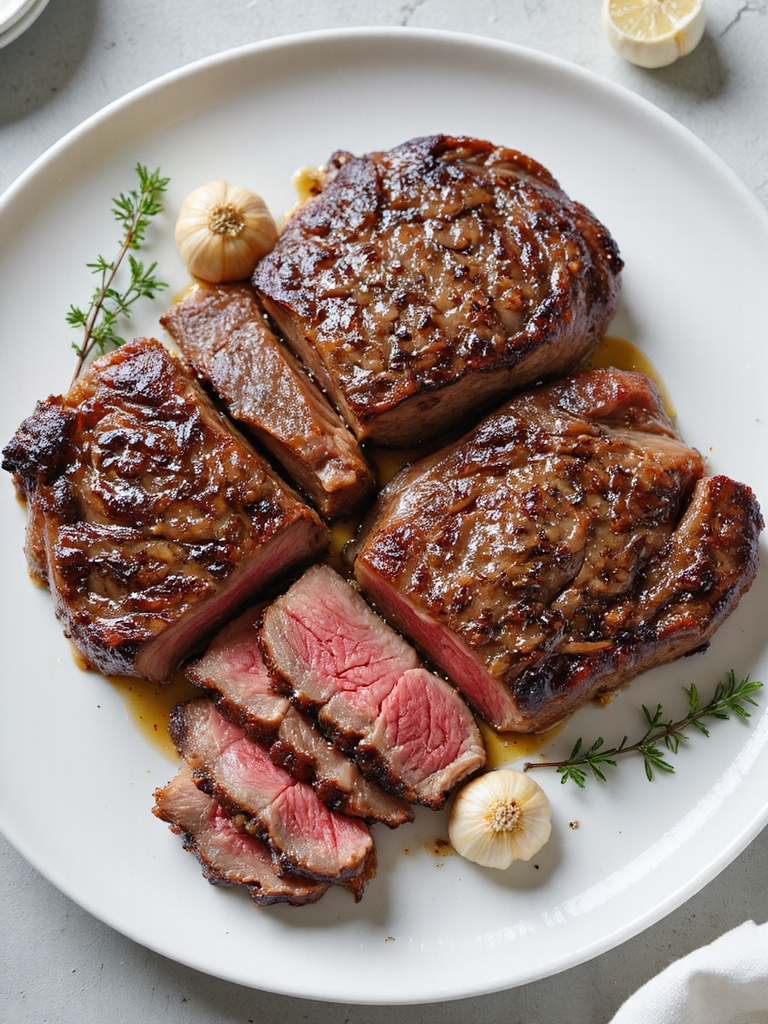
Choosing the right steak—ribeye for marbling and flavor, strip for a balance of tenderness and beefy taste, or filet for buttery tenderness—makes all the difference in a great steak dinner; this recipe shows how to prepare each cut simply with salt, pepper, oil, and butter, using pan-searing and oven-finishing to achieve a perfect crust and your desired doneness.
- 1 ribeye steak (1 to 1.5 inches thick) or
- 1 strip (New York) steak (1 to 1.5 inches thick) or
- 1 filet mignon (1.5 to 2 inches thick)
- Kosher salt
- Freshly ground black pepper
- High smoke-point oil (canola, grapeseed, or avocado)
- 2 tbsp unsalted butter
- 2 garlic cloves, crushed
- Fresh thyme or rosemary sprigs
Preheat oven to 400°F (200°C); pat steaks dry, season generously with salt and pepper, heat a heavy oven-safe skillet over high heat with a thin film of oil until shimmering, sear steaks 2–3 minutes per side until a deep brown crust forms, add butter, garlic, and herbs, baste for 30 seconds, then transfer skillet to oven and roast: about 3–5 minutes for rare, 5–7 for medium-rare, 7–9 for medium depending on thickness, remove and rest 5–10 minutes before slicing.
Tip: Use an instant-read thermometer (120–125°F rare, 130–135°F medium-rare, 140–145°F medium) and always let the steak rest to redistribute juices; for filet be gentler with cooking time due to lower fat content.
For a complete weeknight meal, pair your steak with simple sides like roasted vegetables or mashed potatoes for a balanced savory meat dinner.
How to Build the Perfect Pan-Sear Crust
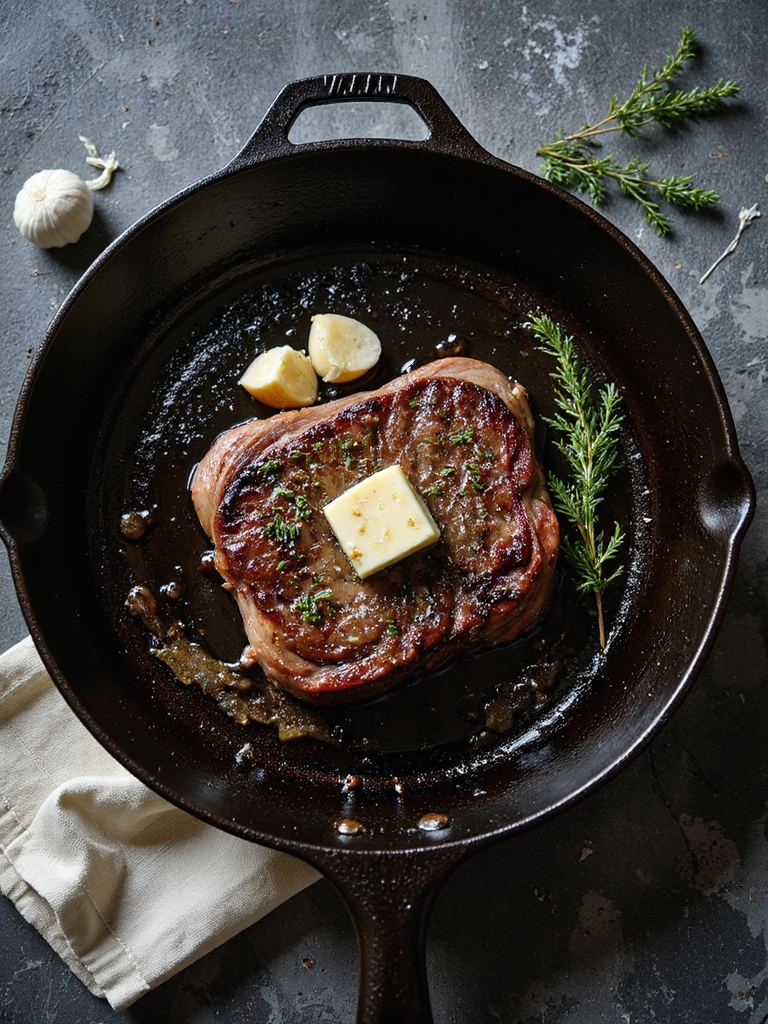
A perfect pan-sear crust transforms a steak into something unforgettable by combining high heat, dry surface, and minimal movement to develop Maillard browning; this recipe walks through prepping the steak, choosing the right pan and fat, searing technique to build an even deep-brown crust, finishing with butter-basting for flavor, and resting to preserve juiciness so you get a restaurant-quality crust at home.
- 1 ribeye, New York strip, or filet (1–1.5 inches; filet up to 2 inches)
- Kosher salt
- Freshly ground black pepper
- High smoke-point oil (canola, grapeseed, or avocado)
- 2 tbsp unsalted butter
- 2 garlic cloves, crushed
- Fresh thyme or rosemary sprigs
- Paper towels
- Heavy stainless steel or cast-iron skillet
Pat steaks very dry with paper towels and season generously with salt at least 40 minutes before cooking (or just before if pressed for time), heat a heavy skillet over high heat until smoking hot and add a thin film of oil then lay the steak away from you and press gently to guarantee contact; sear without moving 2–3 minutes per side for a deep brown crust, add butter, garlic and herbs, tilt the pan and baste with a spoon for 30–60 seconds per side, then finish in a 400°F oven briefly if needed to reach desired doneness and rest 5–10 minutes before slicing.
Tip: Use an instant-read thermometer, avoid overcrowding the pan, and always start with a very dry steak and a screaming-hot pan for the best crust. Researching proper cooking temperatures for chicken and other proteins can help you avoid undercooking or overcooking when adapting techniques across different meats.
Seasoning Strategies for Maximum Flavor
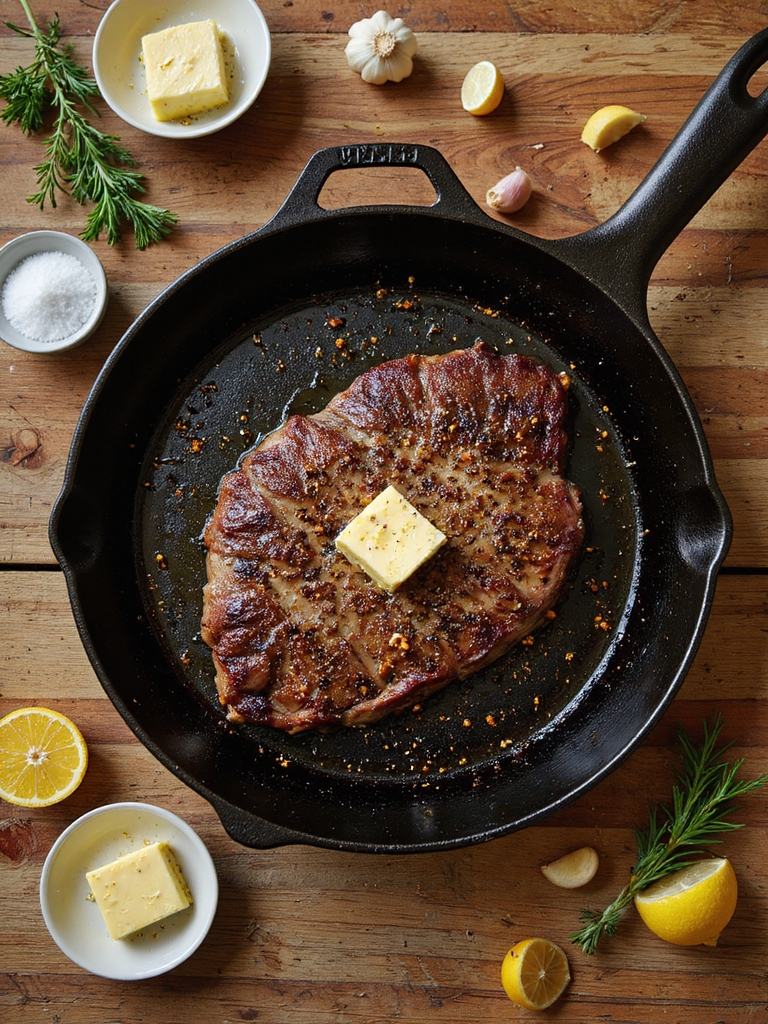
Seasoning a steak for maximum flavor means layering salt, pepper, and aromatics at the right times and in the right forms to enhance crust, interior taste, and overall aroma—this recipe shows how to dry-brine, use a compound butter, and finish with a quick herb-infused oil to amplify the steak’s natural beefiness while preserving the pan-sear crust technique described earlier.
- 1 steak (ribeye, strip, or filet, 1–1.5 inches)
- Kosher salt
- Freshly ground black pepper
- Garlic powder
- Smoked paprika or ground black peppercorns (optional)
- Fresh thyme or rosemary sprigs
- 2 tbsp unsalted butter, softened
- 1 tsp finely chopped parsley
- Zest of 1/2 lemon
- 1 tbsp olive oil (or high smoke-point oil for searing)
Pat the steak very dry, season both sides generously with kosher salt and a light dusting of garlic powder and smoked paprika, then let rest uncovered in the fridge for at least 40 minutes or up to overnight for a dry-brine; bring to room temperature, heat a heavy skillet until smoking, add oil and sear 2–3 minutes per side without moving to build crust, add butter, thyme and crushed garlic, baste for 30–60 seconds, finish in a 400°F oven if needed to reach desired doneness, rest 5–10 minutes, top with a pat of lemon-parsley compound butter (mix butter, parsley, lemon zest) and drizzle with a little warm herb-infused oil before serving.
Tip: Always use an instant-read thermometer to hit your target doneness, keep the steak very dry and the pan extremely hot for the best crust, and season early (dry-brine) when possible to deepen flavor.
This approach pairs especially well with classic sides inspired by our “Best Dinner Recipes” collection, which emphasize balanced flavors and complementary textures — see Delicious Dinners for ideas.
Temperature Guide: From Rare to Well Done
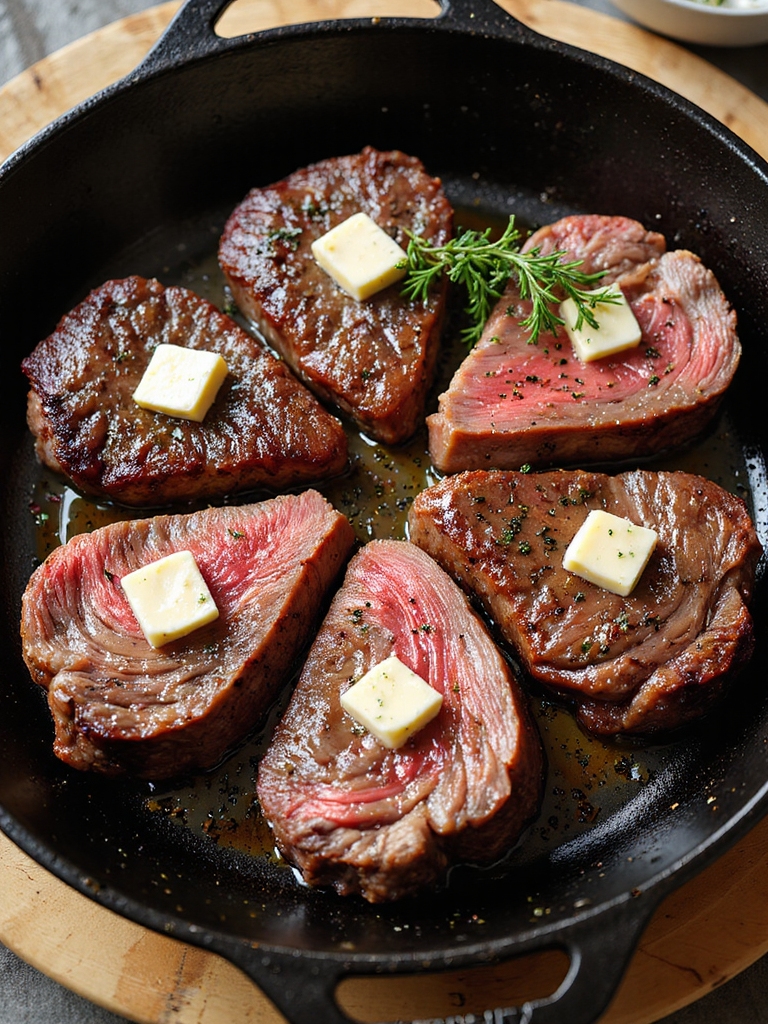
Achieving the perfect steak doneness requires knowing target internal temperatures, timing, and a quick finish to carryover heat — this recipe gives a clear temperature guide and a simple method to cook a 1–1.5-inch steak to Rare, Medium-Rare, Medium, Medium-Well, or Well-Done while preserving crust and flavor from the earlier seasoning strategy.
- 1 steak (ribeye, strip, or filet, 1–1.5 inches)
- Kosher salt
- Freshly ground black pepper
- Garlic powder
- 1–2 tbsp high smoke-point oil (e.g., canola, grapeseed)
- 2 tbsp unsalted butter
- Fresh thyme or rosemary sprigs
- 2 cloves garlic, crushed
- Instant-read thermometer
Pat steak dry and season with salt, pepper and garlic powder then dry-brine if time allows; heat a heavy skillet over high heat until shimmering, add oil and sear steak 2–3 minutes per side to form a crust, reduce heat, add butter, herbs and garlic and baste for 30–60 seconds, then transfer to a 400°F oven only if needed to reach the target internal temperatures: Rare 120–125°F, Medium-Rare 130–135°F, Medium 140–145°F, Medium-Well 150–155°F, Well-Done 160°F+, remove when thermometer reads 5°F below target for desired carryover, rest 5–10 minutes covered loosely and serve.
Tip: Always use an instant-read thermometer and remove the steak slightly under target to allow 3–5°F (up to 10°F in thicker cuts) carryover while resting for perfect doneness. A high-protein dinner like steak pairs well with simple sides that complement the high protein content.
Resting and Slicing: Preserve Juiciness and Texture
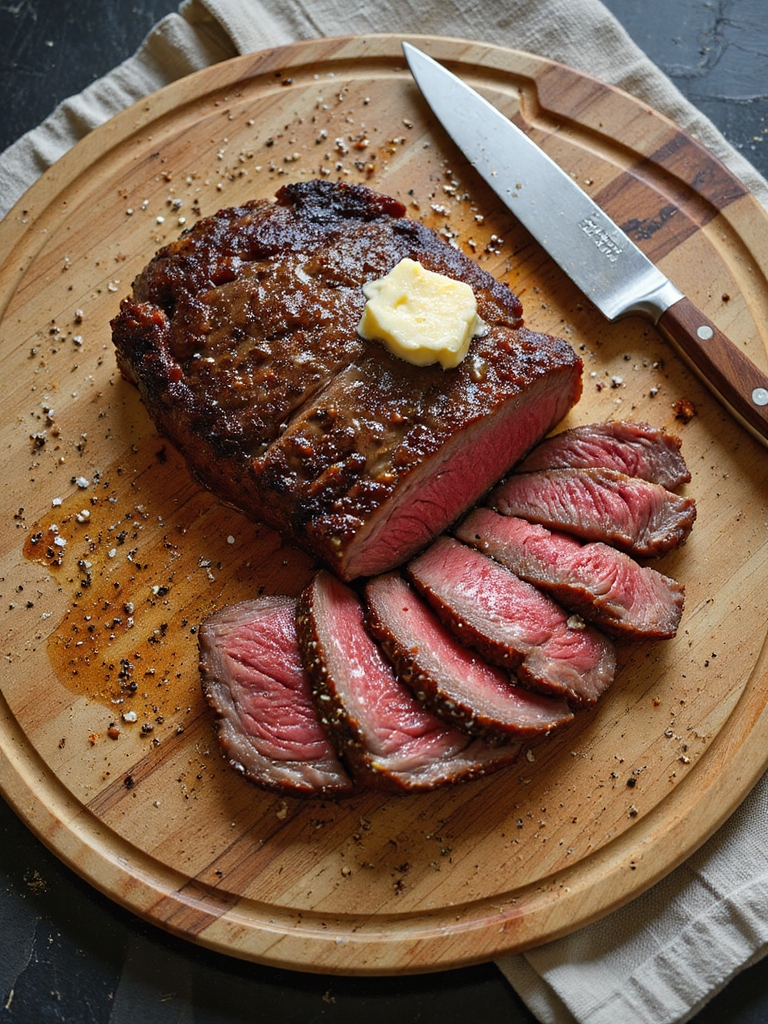
Resting and slicing are the final, vital steps that determine whether your steak keeps the juices and texture you’ve worked for: after removing the steak from the heat and letting it carry over to target temperature, rest it loosely tented for 5–15 minutes depending on thickness so juices redistribute, then slice against the grain in even, decisive strokes to maximize tenderness and present an attractive cross-section.
- Cooked steak (1–1.5 inches or thicker as desired)
- Salt
- Pepper
- Optional compound butter or finishing sauce
- Cutting board with groove or towel underneath
- Sharp chef’s or carving knife
- Instant-read thermometer
- Tongs
- Aluminum foil
After the steak reaches the desired internal temp and you’ve tented it loosely, rest it on a warm board for 5–15 minutes (5–8 for 1–1.5″ steaks, up to 15 for thicker cuts);
position your cutting board with a towel beneath to prevent slipping, identify the grain, and slice across the grain into even 1/4–1/2″ thick pieces with a single smooth stroke to avoid shredding, arranging slices slightly overlapped and topping with a pat of compound butter or sauce to finish.
Tip: Rest long enough for juices to redistribute—cutting too soon dumps them out—use a very sharp knife and slice against the grain for the most tender bites. For budget-conscious cooks, pairing generous slices with simple sides from our Easy Cheap Dinner Recipes keeps the meal both impressive and economical.
Classic Compound Butters and Finishing Sauces
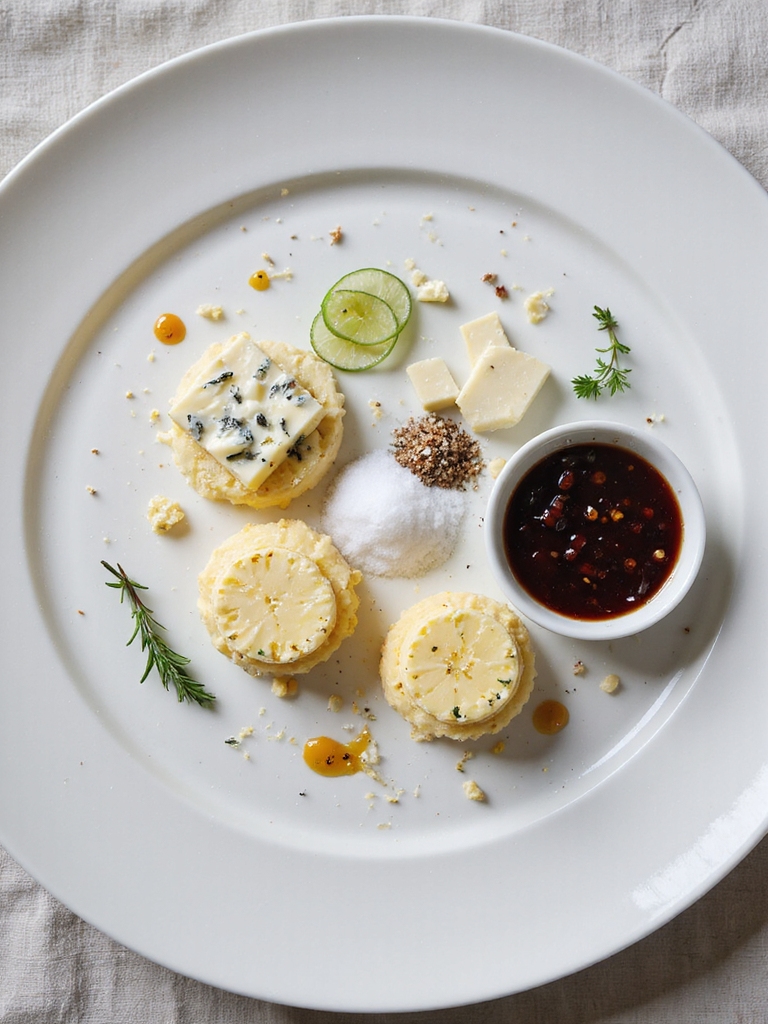
Classic compound butters and finishing sauces elevate a rested steak with concentrated flavor and a glossy finish—this recipe gives three versatile compound butter variations (garlic-herb, blue cheese-pecan, and citrus-chive) plus a quick pan sauce (red wine-shallot) so you can top steaks with richness, tang, or brightness depending on your mood.
- Unsalted butter, 1 cup (softened)
- Garlic, 2 cloves minced
- Fresh parsley, 2 tbsp chopped
- Fresh thyme leaves, 1 tsp chopped
- Lemon zest, 1 tsp
- Blue cheese, 2 oz crumbled
- Toasted pecans, 2 tbsp finely chopped
- Fresh chives, 2 tbsp chopped
- Salt, 1/2 tsp (adjust)
- Freshly ground black pepper, 1/4 tsp
- Shallot, 1 small minced
- Dry red wine, 1/2 cup
- Beef or chicken stock, 1/2 cup
- Butter, 1 tbsp (for finishing sauce)
For compound butters: in a bowl combine softened butter with garlic, parsley, thyme, lemon zest, salt and pepper for garlic-herb; in a separate bowl mix butter with blue cheese and chopped pecans for blue-pecan; in a third bowl mix butter with chives and a pinch of lemon zest for citrus-chive, shape each onto plastic wrap into logs, refrigerate until firm (1–2 hours) or freeze for longer storage.
For the red wine-shallot pan sauce, after cooking steak remove pan drippings, add minced shallot and sauté 1–2 minutes, deglaze with red wine scraping browned bits, reduce by half, add stock and reduce to sauce consistency, whisk in 1 tbsp cold butter off heat and season to taste.
Serve a pat of chosen compound butter atop the hot sliced steak to melt and finish.
Extra tips: use very soft room-temperature butter for easy mixing and smooth texture, finely chop flavor add-ins to distribute evenly, taste and adjust salt/acid before forming logs, and keep one butter in the freezer for quick steak nights.
Adding a simple, reliable base recipe for an entrée makes weeknight cooking faster and less stressful, especially when you have easy simple dinner preparations on hand.
Sides That Complement a Bold Steak
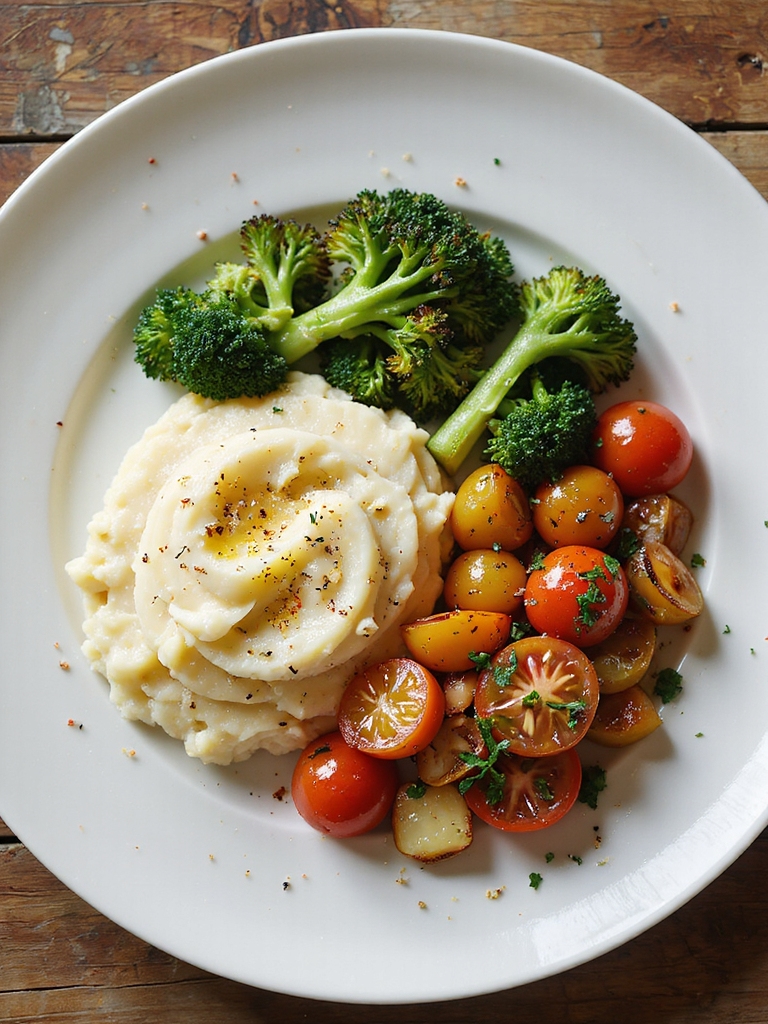
A few well-chosen sides can elevate a bold, richly seasoned steak into a complete, restaurant-worthy meal; this recipe focuses on roasted garlic mashed potatoes, charred broccolini with lemon and chili, and a simple balsamic-minted tomato salad that together balance richness, bitterness, brightness, and acidity so every bite of steak tastes even better.
- Russet potatoes, 2 lb (peeled, cut into chunks)
- Garlic, 4 cloves
- Heavy cream, 1/2 cup
- Unsalted butter, 3 tbsp
- Salt, 1 1/2 tsp (adjust)
- Freshly ground black pepper, 1/2 tsp
- Broccolini, 1 lb (trimmed)
- Olive oil, 2 tbsp
- Lemon, 1 (zested and juiced)
- Red pepper flakes, 1/4 tsp
- Cherry tomatoes, 1 pint (halved)
- Balsamic vinegar, 2 tbsp
- Fresh mint, 2 tbsp chopped
- Extra virgin olive oil, 2 tbsp
Boil potatoes with whole garlic cloves in salted water until very tender, drain and mash with warm cream, butter, salt and pepper until silky; toss broccolini with olive oil, lemon zest and red pepper flakes then roast or char in a hot pan until just blistered and tender-crisp.
Toss tomatoes with balsamic, mint and a drizzle of olive oil, finish each plate with a generous scoop of mashed potatoes, broccolini alongside, and a spoonful of the tomato salad to cut the steak’s richness.
Tip: Cook potatoes slightly ahead and keep warm covered, char broccolini at high heat just before serving to preserve color and crunch, and taste-adjust salt/acid on the tomato salad so it brightens but doesn’t overpower the steak.
For fast weeknight dinners, pair these sides with one of the Quick and Easy Healthy Dinner mains from our collection to keep cooking time short and nutrition high.
One-Pan Steak Dinners With Vegetables
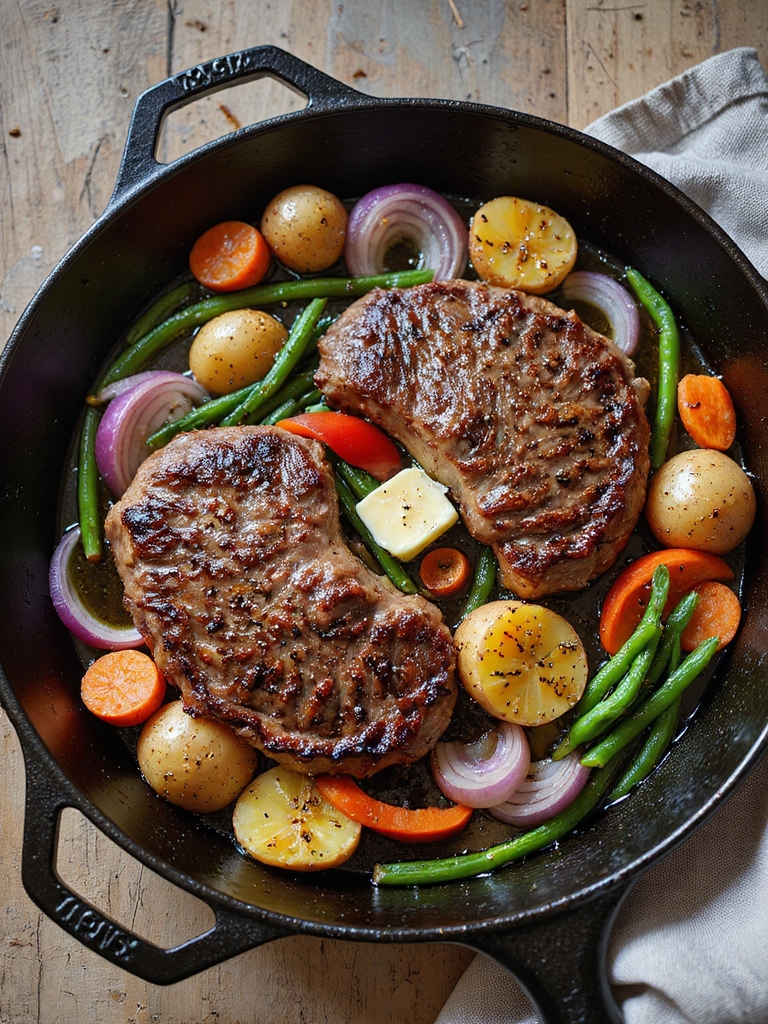
One-pan steak dinners with vegetables are an efficient, flavor-packed way to get a complete meal on the table: a robust, seasoned steak seared to your liking and finished in the oven alongside hearty vegetables that roast in the steak juices, creating a simple, savory one-pan supper that requires minimal cleanup and maximum flavor.
- 2 boneless ribeye or NY strip steaks (about 6–8 oz each)
- 1 lb baby potatoes (halved)
- 1 red onion (cut into wedges)
- 1 red bell pepper (sliced)
- 8 oz baby carrots or whole carrots (peeled)
- 8 oz green beans or asparagus (trimmed)
- 3 tbsp olive oil
- 3 cloves garlic (minced)
- 1 tbsp fresh rosemary or thyme (chopped)
- 1 tsp smoked paprika
- 1 tsp kosher salt
- 1/2 tsp freshly ground black pepper
- 1 tbsp butter
- 1 tsp lemon juice (optional)
Preheat oven to 425°F (220°C); toss potatoes, carrots, red onion and bell pepper with 2 tbsp olive oil, half the garlic, rosemary, smoked paprika, 3/4 tsp salt and 1/4 tsp pepper and spread in a large ovenproof skillet or sheet pan; heat remaining 1 tbsp olive oil in a separate heavy skillet over high heat until shimmering, pat steaks dry, season with remaining salt and pepper, sear steaks 1–2 minutes per side until a brown crust forms, transfer steaks to the pan with vegetables (nestle among them), dot with butter and remaining garlic, roast in the oven 6–10 minutes for medium-rare (time varies by thickness), add green beans/asparagus during the last 6–8 minutes so they stay crisp-tender, remove and rest steaks 5 minutes, finish with a squeeze of lemon if desired and serve vegetables spooned with pan juices.
Tip: Use similar-sized vegetables so they cook evenly, sear steaks first to lock in juices, and let steaks rest before slicing so the one-pan jus stays rich and not runny.
These one-pan meals are also a great way to repurpose rotisserie or leftover chicken into a new dinner option with minimal effort and fuss, making them perfect for weeknights and busy schedules—especially when you want to turn leftover chicken into delicious dinners.
Tips for Cooking Steak for a Crowd
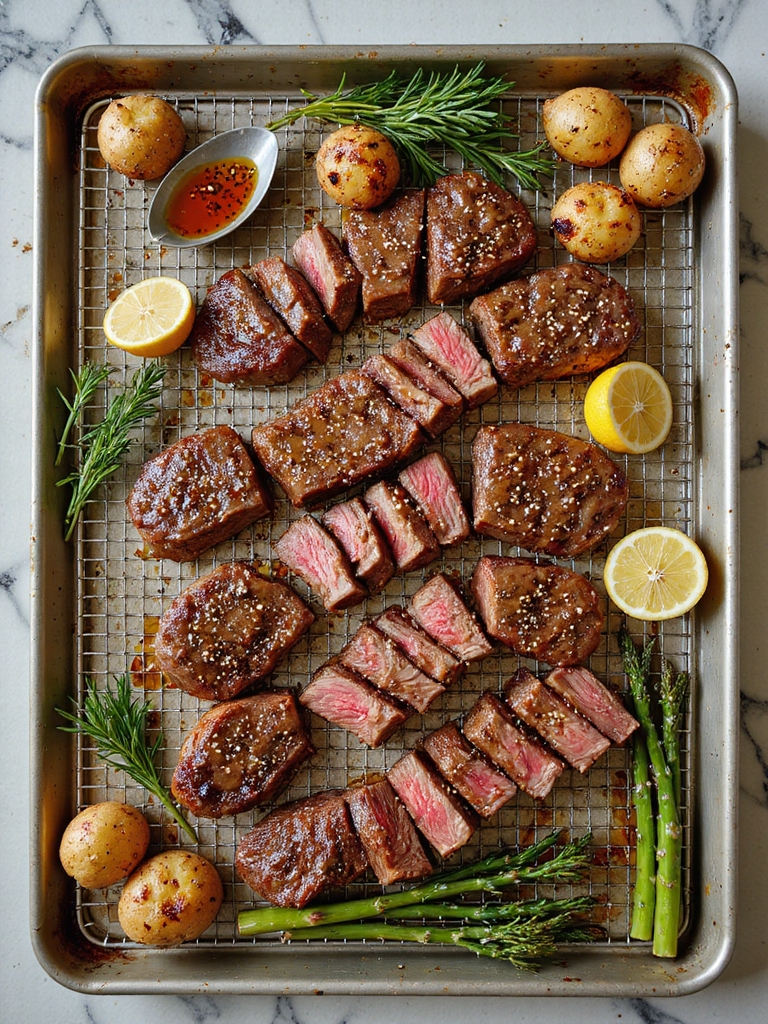
Cooking steak for a crowd means balancing speed, consistency, and flavor so every guest gets a perfectly cooked piece without standing over the stove all night; this recipe uses a two-step method of seasoning and searing individual steaks followed by finishing them in a hot oven on sheet pans (or using a reverse-sear with low oven then high broil) and holding slices warm while maintaining juiciness so you can serve many people in a short window.
- 6–8 boneless steaks (6–8 oz each; ribeye, strip, filet)
- 2–3 tbsp kosher salt
- 1–2 tbsp freshly ground black pepper
- 4–6 tbsp neutral oil (canola or vegetable)
- 6 tbsp butter
- 6 cloves garlic (smashed)
- 4 sprigs fresh rosemary or thyme
- 2–3 lemons (optional, for finishing)
- 2–3 tbsp olive oil (for resting pans)
- 2 sheet pans or large ovenproof skillets
- Instant-read thermometer
Preheat oven to 375°F (190°C); if using reverse sear, set to 250°F (120°C) and arrange steaks on wire racks over sheet pans, season liberally with salt and pepper at least 40 minutes before cooking or up to overnight in fridge uncovered for best crust; for quick service, heat heavy skillets until very hot, sear steaks 1–2 minutes per side to brown, transfer to 375°F oven to finish to desired temp (120°F for rare, 130°F medium-rare, 140°F medium) using instant-read thermometer, finish with butter, garlic and herbs spooned over each steak, rest briefly on warm pans covered loosely with foil, or for large groups cook to medium-rare and slice across the grain onto warm trays so guests can take portions quickly and evenly.
Tip: Stagger cooking using two ovens or work in batches, hold finished sliced steak on warm pans over very low heat or insulated carriers with a little olive oil to prevent drying, and always aim to slightly undercook for carryover and leftover warming.
This method is perfect for dinner parties because it pairs well with simple sides like roasted vegetables or mashed potatoes and highlights juicy cuts for maximum flavor.
Plating and Pairing: Wines and Beverage Matches
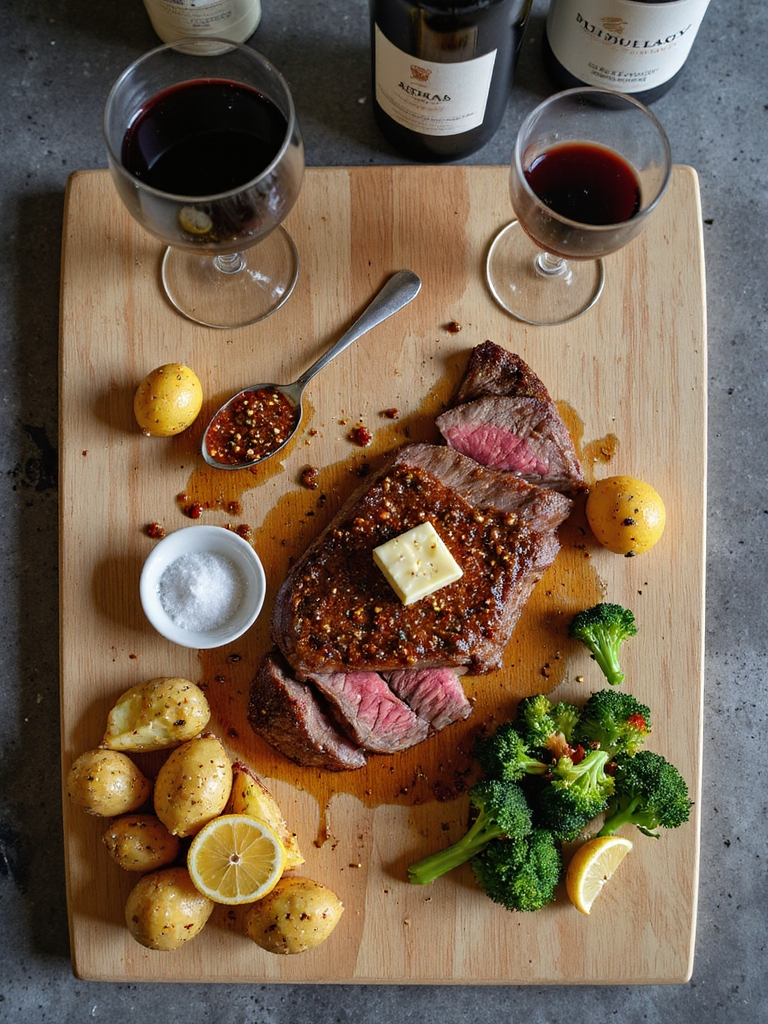
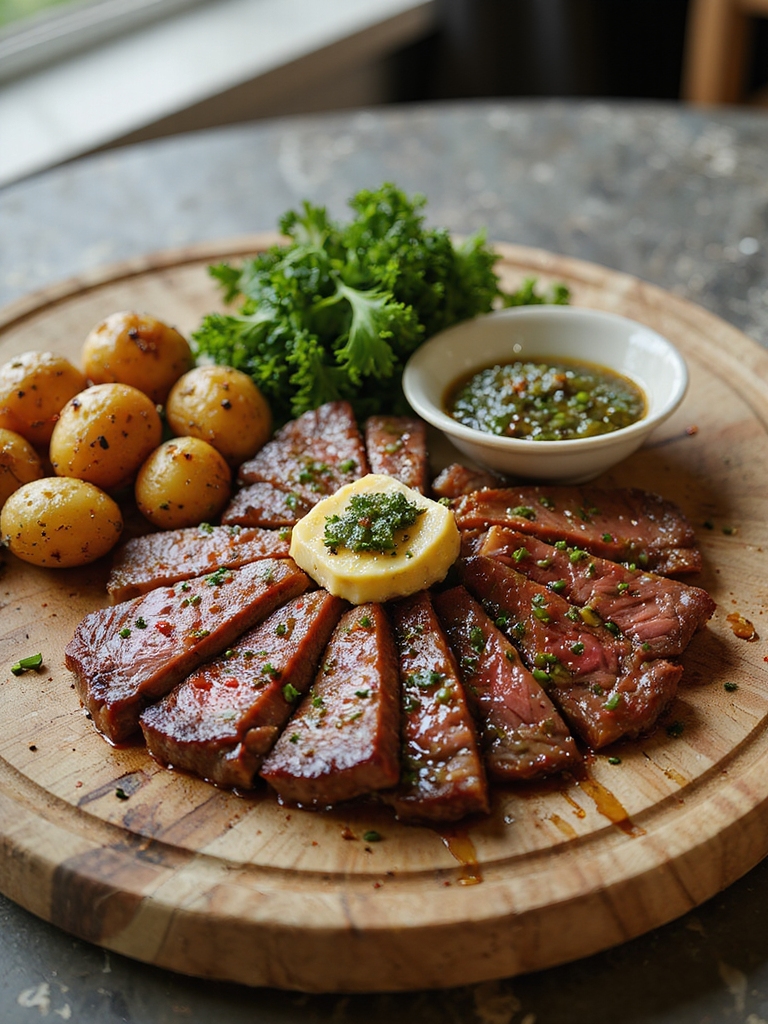
A thoughtful steak dinner is elevated by intentional plating and beverage pairings that balance weight, acidity, and texture: serve sliced medium-rare steak fanned on warm plates or on a wooden board with a smear of compound butter or chimichurri, pair sides like roasted fingerlings, charred broccolini, or a creamy gratin, and match wines and drinks by richness—full-bodied reds (Cabernet Sauvignon, Malbec, Syrah) for fattier cuts, Pinot Noir or Tempranillo for leaner steaks, and sparkling wines or a citrusy cocktail to cut through richness.
- 6–8 boneless steaks, 6–8 oz each
- Kosher salt and freshly ground black pepper
- 4 tbsp unsalted butter (room temperature)
- 2 tbsp minced parsley or 1/4 cup chimichurri
- 1 lemon (zested and halved)
- 1 cup mixed baby greens or arugula (for plating)
- 1 lb roasted fingerling potatoes or preferred side
- 1 bottle full-bodied red wine (Cabernet, Malbec) and 1 bottle lighter red (Pinot Noir) or sparkling wine
- Serving boards or warm dinner plates
Sear steaks in a very hot skillet 1–2 minutes per side with a tablespoon of oil, finish in a 375°F oven to 120–130°F for medium-rare, rest 5–10 minutes, slice thinly across the grain and fan on warm plates or a board, place a dollop of butter or spoonful of chimichurri on each portion, arrange greens and potatoes to the side, and offer wine selections with notes to guide guests (bolder reds for fattier cuts, lighter reds or sparkling for leaner cuts and richer sauces).
Serve steaks slightly under target temp for carryover, keep plates warm, taste wine with a bite of steak and side to confirm matches, and label pairings so guests know which glass complements which cut. A Mediterranean menu can complement steak nights with olive oil–forward sides and bright herbs to echo Mediterranean Dinner Recipes.