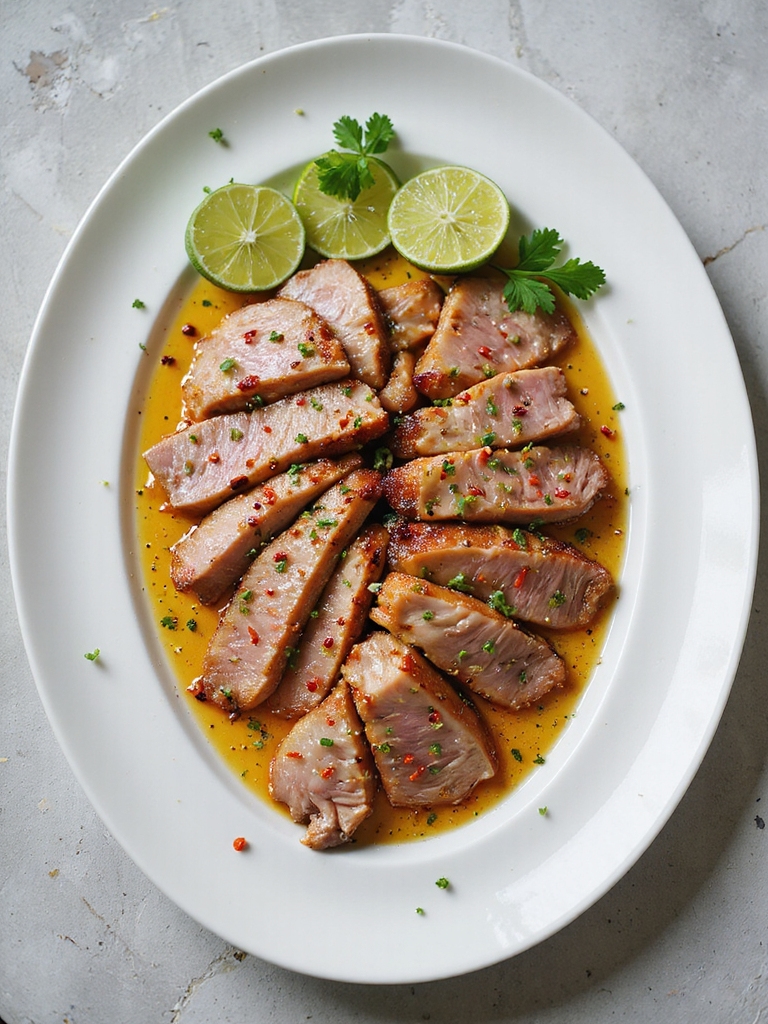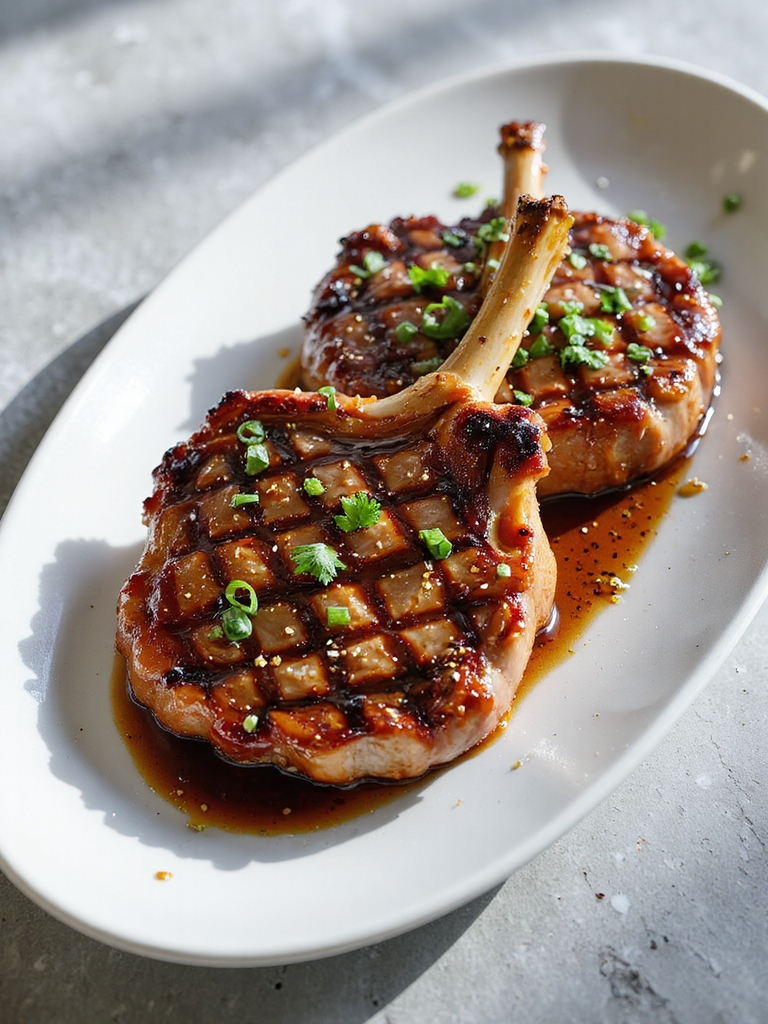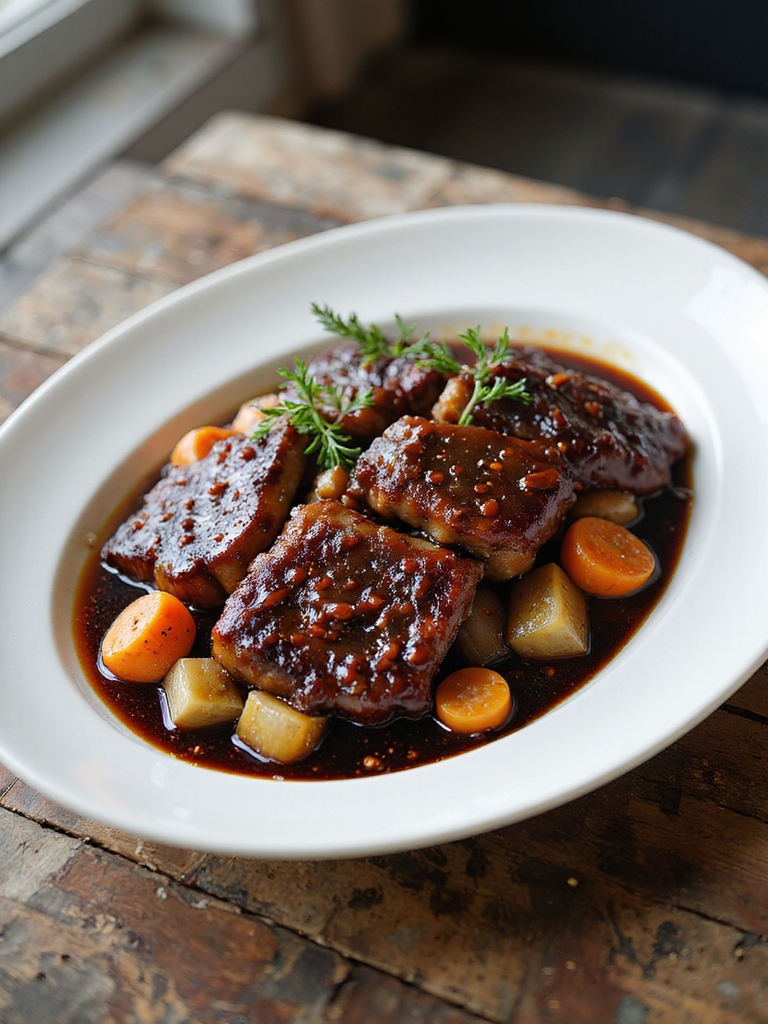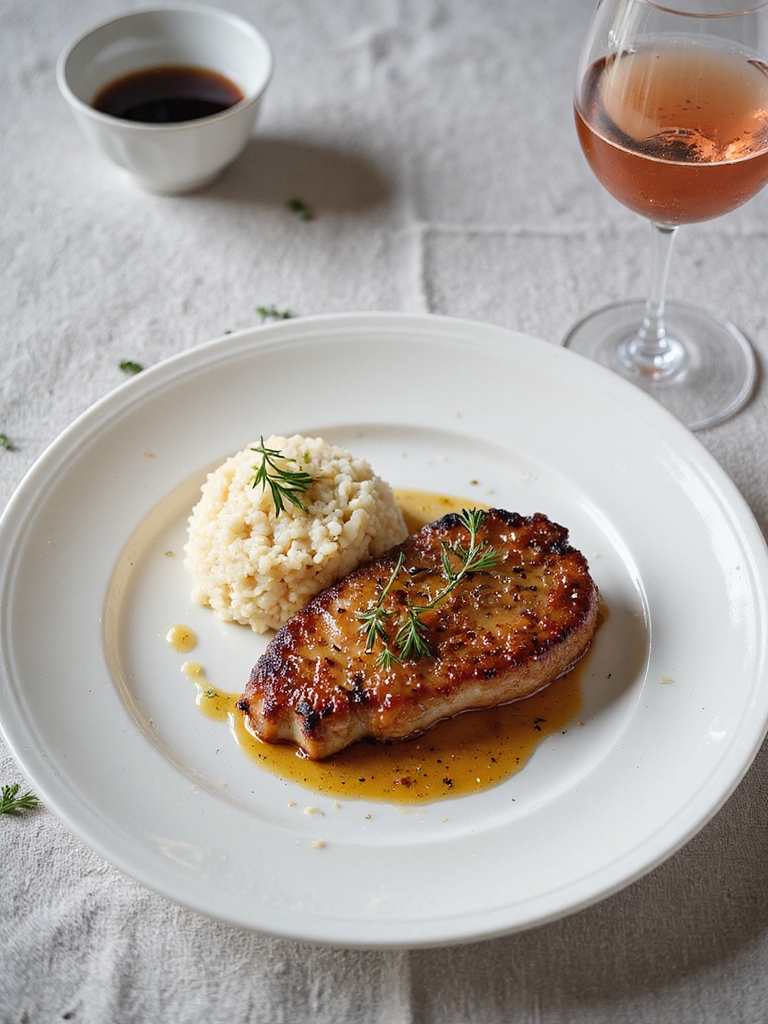

I love the way sweet and sour pork delivers such a punch of flavor. When perfectly prepared, it’s an irresistible mix of tangy and crispy that instantly transports you to your favorite takeout spot. But what if you could bring that vibrant taste right into your kitchen?
Imagine crafting that glossy sauce and savoring each bite with steamed rice. I’ve gathered tips and tricks to make it happen, so let’s plunge into this culinary adventure!
Understanding the Basics of Sweet and Sour Pork
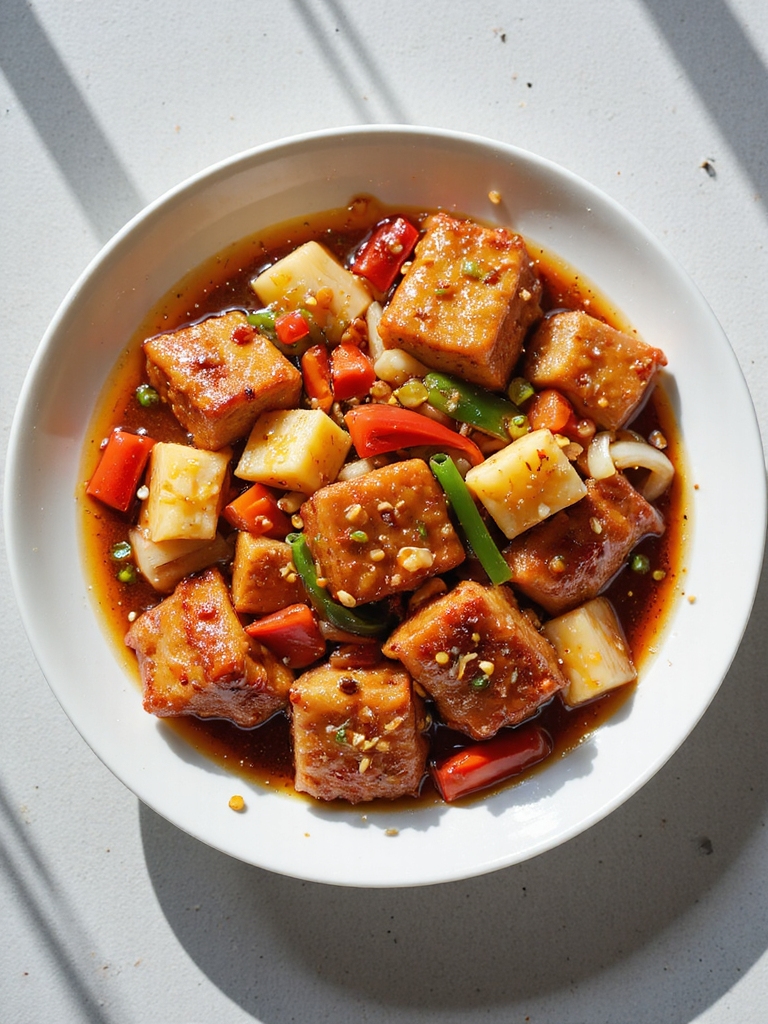
Sweet and Sour Pork is a classic Chinese dish that perfectly balances tangy and sweet flavors with crispy fried pork. The key to a successful Sweet and Sour Pork lies in using fresh ingredients and achieving the right texture in both the meat and the sauce. Typically, this dish uses pork tenderloin or shoulder, which is first marinated and then coated in a light batter before frying. The sauce is a vibrant blend of vinegar, sugar, and a hint of tomato, leaving your taste buds delighted with each bite. Here’s a foolproof recipe to master this delightful dish.
- 500g pork tenderloin or shoulder, cut into 1-inch cubes
- 1 egg
- 1/2 cup cornstarch
- 1/2 teaspoon salt
- 2 tablespoons vegetable oil
- 1 green bell pepper, diced
- 1 red bell pepper, diced
- 1 onion, chopped
- 1/2 cup pineapple chunks
- 1/4 cup ketchup
- 1/4 cup rice vinegar
- 1/4 cup sugar
- 1 tablespoon soy sauce
- 1 teaspoon cornstarch mixed with 2 teaspoons water
To cook Sweet and Sour Pork, first marinate the pork cubes in egg and salt, then coat them in cornstarch. Fry the coated pork in vegetable oil until golden and crispy, then set aside. In the same pan, sauté the bell peppers and onion until softened, add pineapple, and pour in a mix of ketchup, vinegar, sugar, and soy sauce; thicken it with cornstarch slurry, then toss the pork back in to coat generously before serving.
For a perfect crispy texture, make sure the oil is hot enough before frying and avoid overcrowding the pan. You can also consider using a wok for better heat distribution, which helps in achieving an ideal stir-fry effect.
Essential Ingredients for Authentic Flavor
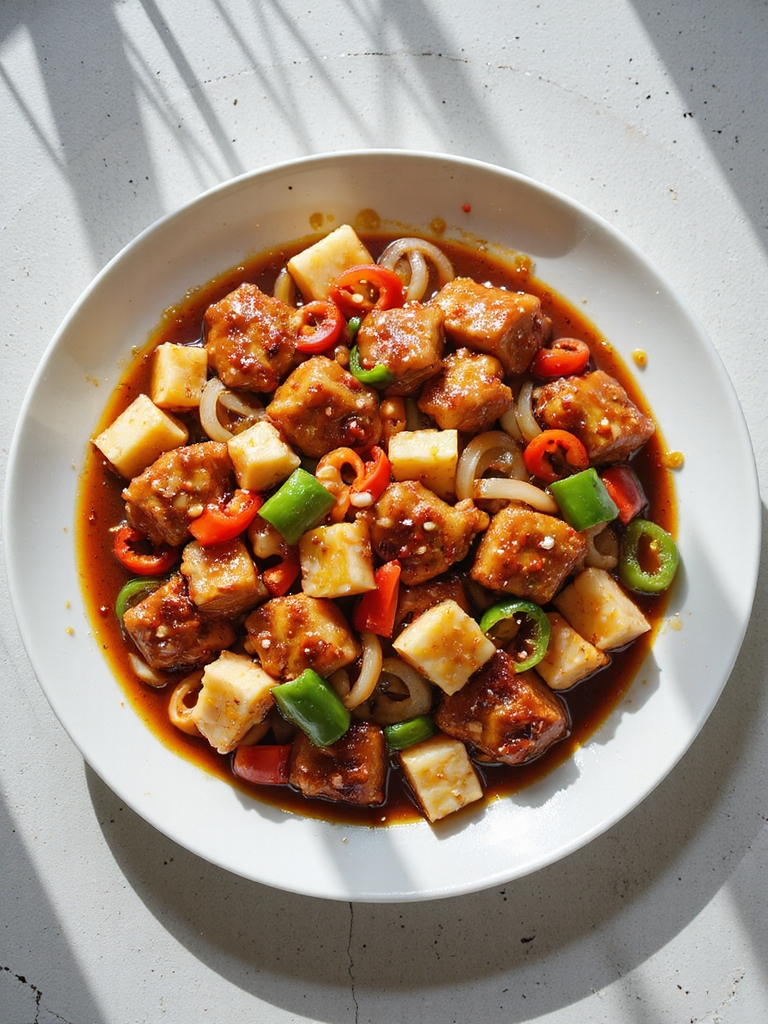
To create an authentic Sweet and Sour Pork that captures the traditional flavors, you’ll need a harmonious blend of fresh vegetables and a perfectly balanced sauce. The base of the dish relies on a mix of tangy rice vinegar and fruity pineapple that complements the savory pork. The use of soy sauce adds depth, while ketchup provides just a hint of sweetness to round out the flavors. It’s vital that the sauce is not too overpowering, letting each component shine on its own.
- 500g pork tenderloin or shoulder
- 1 egg
- 1/2 cup cornstarch
- 1/2 teaspoon salt
- 2 tablespoons vegetable oil
- 1 green bell pepper
- 1 red bell pepper
- 1 onion
- 1/2 cup pineapple chunks
- 1/4 cup ketchup
- 1/4 cup rice vinegar
- 1/4 cup sugar
- 1 tablespoon soy sauce
- 1 teaspoon cornstarch
Begin by combining egg, salt, and pork cubes, then coat them in cornstarch before frying in hot oil until the pork is crispy; set aside. Sauté bell peppers and onions until they begin to soften, then add pineapple and a sauce made of ketchup, rice vinegar, sugar, and soy sauce. Thicken the sauce with cornstarch slurry before reintroducing pork to coat, ensuring all flavors merge seamlessly.
For extra flavor, consider adding a pinch of ginger or garlic to the sautéing vegetables. This subtle addition elevates the dish, enhancing the aromas and giving a slight heat that pairs beautifully with the sweet and sour profile.
Secrets to Achieving the Perfect Texture
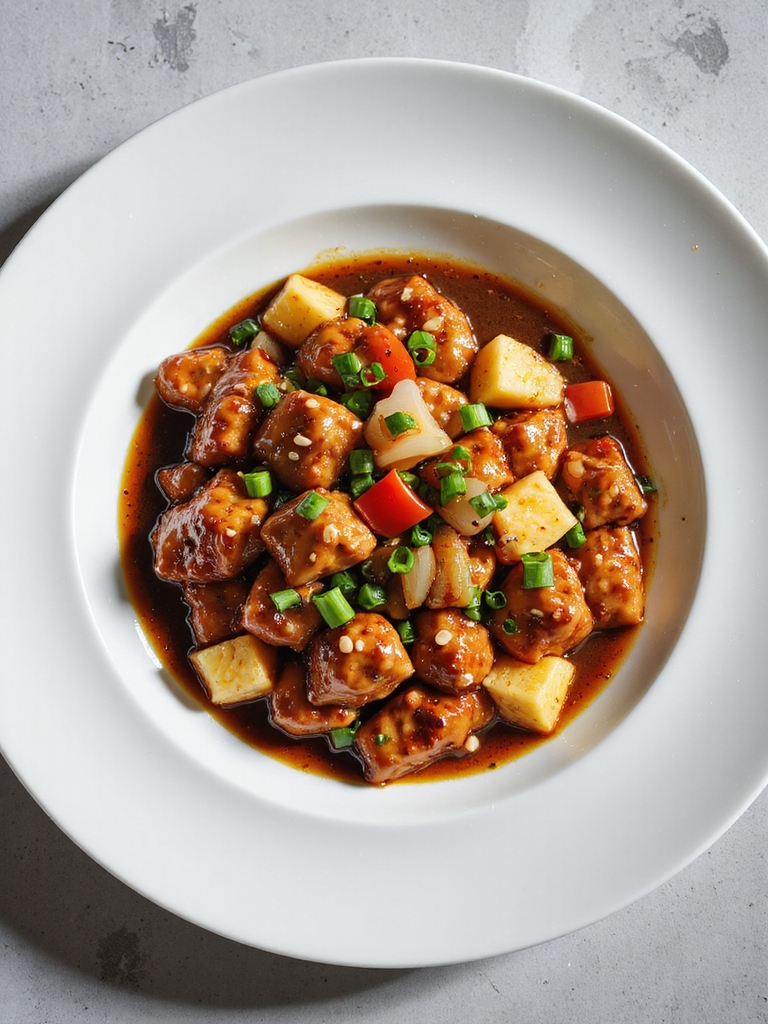
Achieving the perfect texture for Sweet and Sour Pork hinges on the balance between crispiness and tenderness. The key is ensuring that the pork is not overcooked during the frying process, maintaining its juicy interior while developing a crispy exterior. Properly coating the pork in cornstarch creates a light, crunchy crust that remains intact when combined with the sauce. Equally important is the balance of the vegetables; they need to be tender yet slightly firm, providing a contrast to the pork. The sauce should be glossy and cling to the meat and vegetables, without being too thick or gloopy.
Ingredients:
- 500g pork tenderloin or shoulder
- 1 egg
- 1/2 cup cornstarch
- 1/2 teaspoon salt
- 2 tablespoons vegetable oil
- 1 green bell pepper
- 1 red bell pepper
- 1 onion
- 1/2 cup pineapple chunks
- 1/4 cup ketchup
- 1/4 cup rice vinegar
- 1/4 cup sugar
- 1 tablespoon soy sauce
- 1 teaspoon cornstarch
In a large bowl, mix egg and salt with pork cubes; coat pork with cornstarch. Heat oil in a pan and fry pork until golden brown, then remove. Sauté bell peppers and onion until slightly soft; add pineapple, return pork to the pan, then pour in a sauce of ketchup, rice vinegar, sugar, soy sauce, and thicken with cornstarch slurry.
Ensure all pork pieces are uniformly sized for even cooking, and avoid overcrowding the pan during frying to maintain oil temperature. For extra crunch, double fry the pork, allowing it to cool between fryings for maximum crispiness without drying it out.
Classic Sweet and Sour Pork Recipe
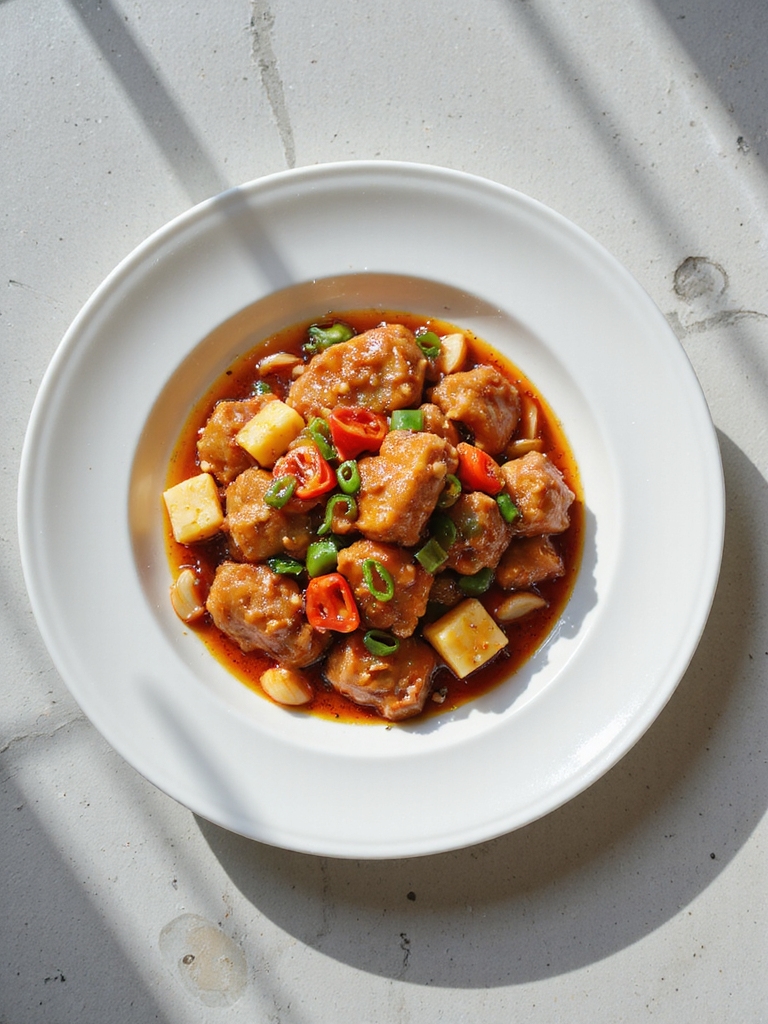
For a classic Sweet and Sour Pork, marinate bite-sized pork pieces in a mix of egg and salt before coating them in cornstarch to guarantee a crispy exterior. Prepare a medley of colorful vegetables for added texture, including bell peppers and onions, alongside juicy pineapple chunks that provide sweetness. The sauce, a perfect blend of ketchup, rice vinegar, sugar, and soy sauce, ties the dish together and adds depth to the savory and sweet flavors.
- 500g pork tenderloin or shoulder
- 1 egg
- 1/2 cup cornstarch
- 1/2 teaspoon salt
- 2 tablespoons vegetable oil
- 1 green bell pepper
- 1 red bell pepper
- 1 onion
- 1/2 cup pineapple chunks
- 1/4 cup ketchup
- 1/4 cup rice vinegar
- 1/4 cup sugar
- 1 tablespoon soy sauce
- 1 teaspoon cornstarch
In a pan, heat vegetable oil and fry the cornstarch-coated pork until golden brown, then remove and drain. Sauté sliced bell peppers and onion until they are just tender and add in the pineapple chunks. Pour the sauce mixture over the pork and vegetables and stir gently until the sauce thickens, assuring it coats all ingredients evenly.
For extra flavor, let the pork marinate for at least 30 minutes before frying. Maintain high oil temperature during frying to achieve maximum crispiness, and consider using rice flour for a lighter crust if desired.
Quick and Easy Weeknight Version
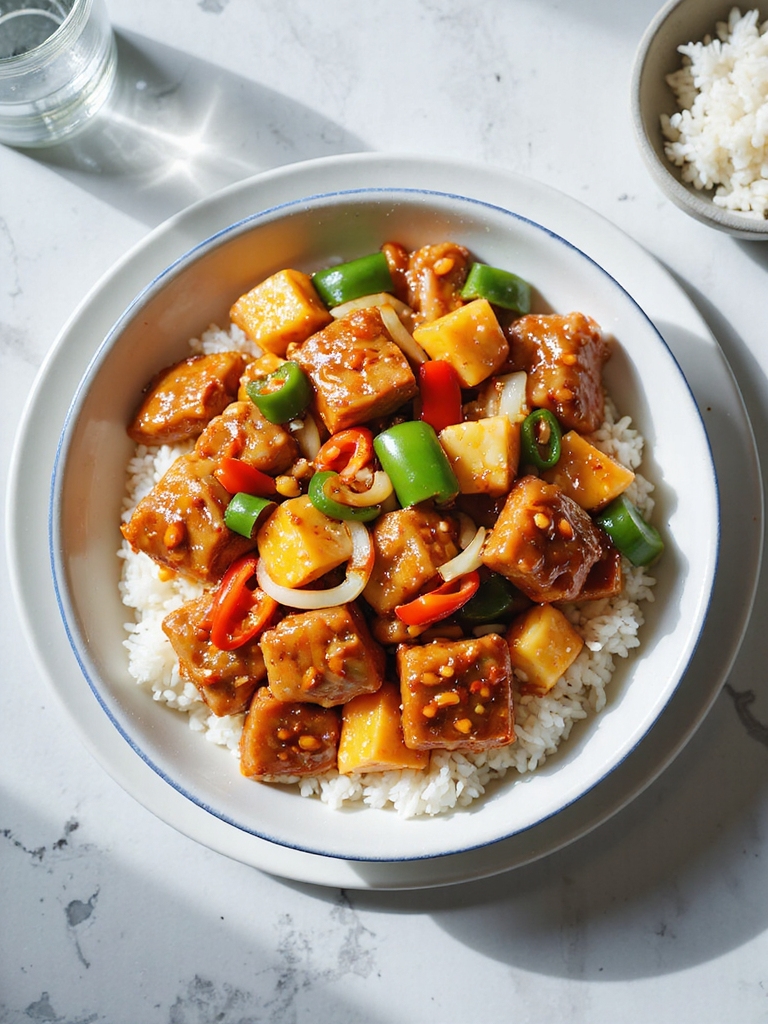
For a Quick and Easy Weeknight Version of Sweet and Sour Pork, you can reduce preparation time by using pre-cooked pork or rotisserie chicken as a substitute. This recipe streamlines the process by utilizing frozen stir-fry vegetables, which eliminate the need for chopping, and a ready-made sweet and sour sauce, ensuring a delicious dinner is ready in no time. Serve this simplified version over a bed of steamed rice or noodles for a complete, satisfying meal.
- 500g pre-cooked pork or rotisserie chicken
- 2 cups frozen stir-fry vegetables
- 1 cup pre-made sweet and sour sauce
- 2 tablespoons vegetable oil
- 1/2 cup pineapple chunks
In a large skillet, heat vegetable oil and stir-fry the frozen vegetables until they’re tender-crisp. Add in the pre-cooked pork or chicken, along with the pineapple chunks, and pour over the pre-made sweet and sour sauce. Stir everything together until the dish is heated through and the ingredients are thoroughly coated with the sauce.
To save even more time, consider microwaving the pre-cooked meat before adding it to the skillet. Adjust the sweetness by adding a bit more pineapple juice to taste, and serve immediately once heated.
Sweet and Sour Pork With Pineapple Twist
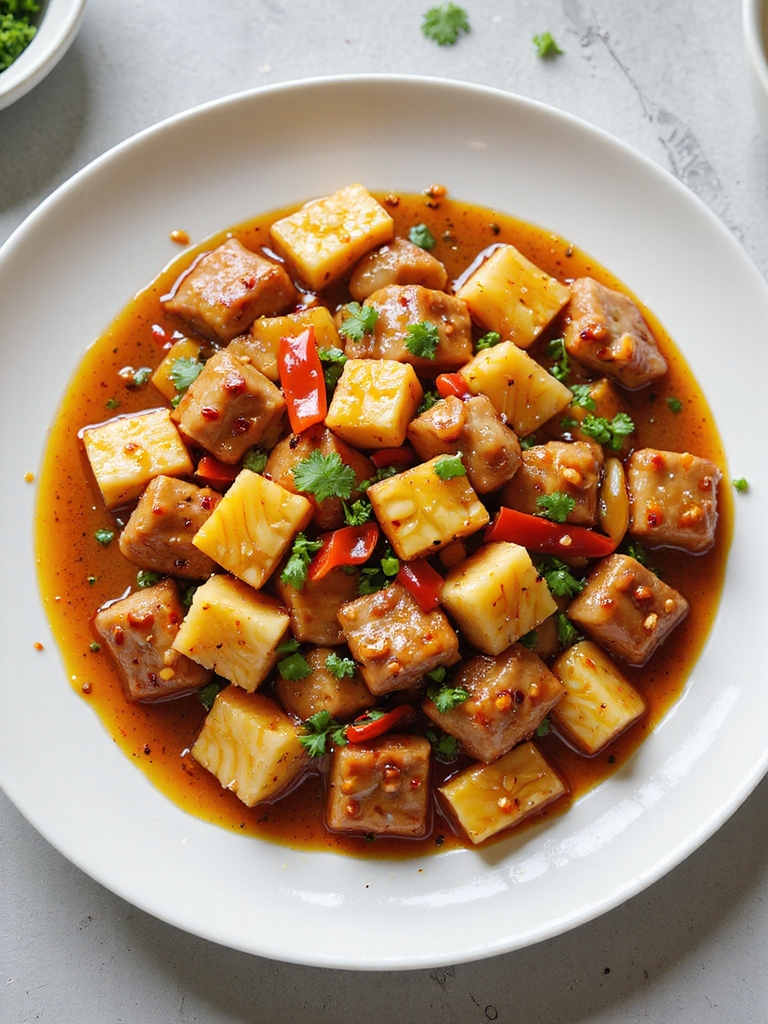
For a delightful twist on the classic sweet and sour pork, incorporate fresh pineapple for a tropical flavor boost. This version combines juicy pork pieces with tangy pineapple chunks to create a dish that’s both sweet and revitalizing. Marinating the pork in pineapple juice enhances the tenderizing process, infusing it with a subtle sweetness that complements the dish beautifully. Serve with steamed rice for a well-rounded meal that will please everyone at the table.
- 500g pork shoulder, cut into bite-sized pieces
- 1 cup fresh pineapple chunks
- 2 tablespoons pineapple juice
- 1 cup sweet and sour sauce
- 1 red bell pepper, sliced
- 1 tablespoon vegetable oil
In a large pan over medium heat, sauté the pork pieces in vegetable oil until browned. Add the bell pepper and pineapple chunks, and stir to combine. Pour in the sweet and sour sauce and pineapple juice, and cook until the pork is cooked through and the flavors blend harmoniously.
For extra flavor, let the pork marinate in pineapple juice for 30 minutes before cooking. If you prefer a thicker sauce, add a cornstarch slurry to the skillet during the last few minutes of cooking.
Spicy Sweet and Sour Pork for Heat Lovers
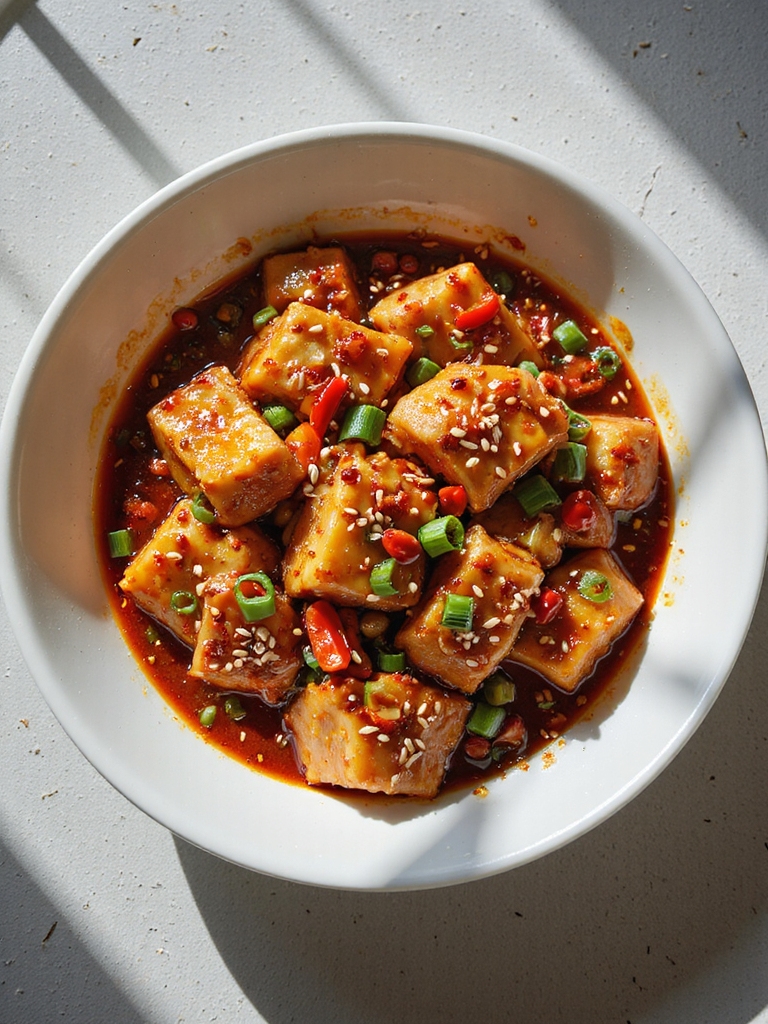
For those who love a kick of heat with their sweet and sour pork, this spicy version will tantalize your taste buds. By introducing elements like red chili flakes and fresh chili peppers, this recipe turns the traditional dish into a fiery delight. The heat pairs perfectly with the sweet and tangy sauce, offering a balance of flavors that’ll satisfy any heat lover. Enjoy this dish over a bed of jasmine rice to complement the spicy notes.
- 500g pork shoulder, cut into bite-sized pieces
- 1 cup sweet and sour sauce
- 1 red bell pepper, sliced
- 1 tablespoon vegetable oil
- 1 tablespoon red chili flakes
- 1 fresh red chili pepper, sliced
In a large skillet, heat vegetable oil over medium heat and add the pork pieces, browning them on all sides. Stir in the red bell pepper, chili flakes, and fresh chili slices, cooking until the peppers are tender. Pour in the sweet and sour sauce, allowing it to coat the ingredients thoroughly while the pork cooks through.
Extra tips for this dish: Adjust the amount of chili flakes and fresh chili according to your heat preference. For added texture and flavor, garnish with sliced green onions or sesame seeds before serving.
Gluten-Free Sweet and Sour Pork Adaption
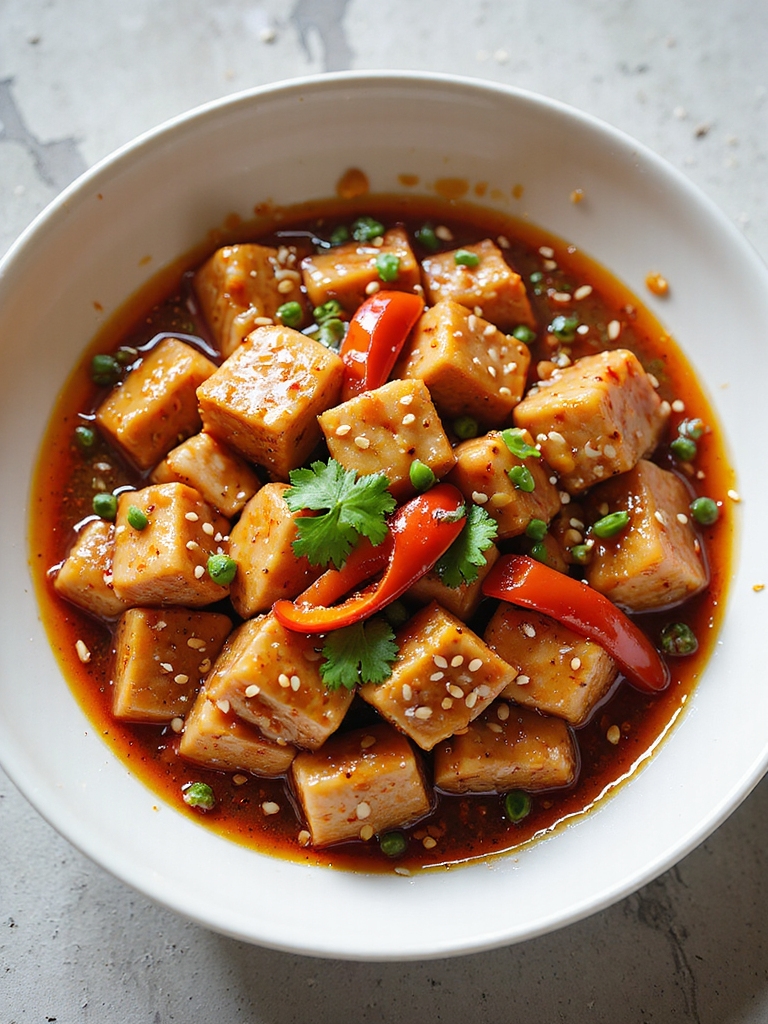
For those seeking a gluten-free version of sweet and sour pork, this adaptation guarantees you can enjoy the tangy delight without wheat-based ingredients. By utilizing gluten-free alternatives and focusing on fresh ingredients, you can maintain the delicious flavors and texture of the classic dish. Be sure to double-check that your soy sauce and other condiments are certified gluten-free to keep everything safe for those with gluten sensitivities.
- 500g pork shoulder, cut into bite-sized pieces
- 1 cup gluten-free sweet and sour sauce
- 1 red bell pepper, sliced
- 1 tablespoon vegetable oil
- 1 tablespoon gluten-free soy sauce
- 1 teaspoon cornstarch
- Salt and pepper to taste
In a large skillet, heat vegetable oil over medium heat, adding the pork pieces and browning on all sides. Mix gluten-free soy sauce, gluten-free sweet and sour sauce, and cornstarch, then pour over the browned pork and bell pepper. Simmer until the pork is cooked through, and the sauce thickens, coating everything evenly.
When preparing this dish, verify that your work surfaces and cookware are free from gluten contamination to keep it truly gluten-free. Furthermore, for a burst of color and flavor, consider garnishing with fresh cilantro or toasted sesame seeds.
Vegetarian Alternatives and Substitutions
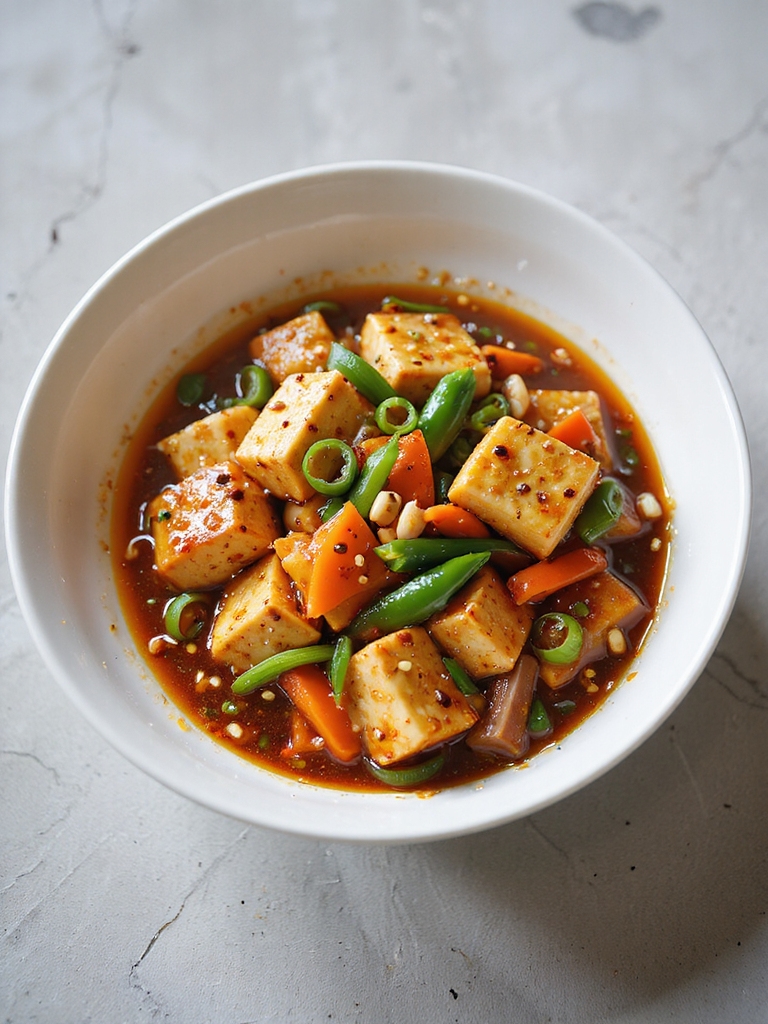
Creating a vegetarian sweet and sour dish is an excellent way to enjoy this classic flavor profile while keeping it plant-based. This recipe uses tofu as a protein substitute, offering a similar hearty texture to pork. Combined with fresh vegetables and a tangy sauce, this dish delivers the essential sweet and sour taste in a meat-free version that is sure to satisfy.
Ingredients:
- 300g firm tofu, cubed
- 1 cup sweet and sour sauce
- 1 green bell pepper, sliced
- 1 carrot, julienned
- 1 tablespoon sesame oil
- Salt and pepper to taste
- 1 tablespoon cornstarch
In a pan, heat sesame oil over medium heat and add cubed tofu, cooking until golden. Add sliced bell pepper, carrot, and sweet and sour sauce, thickened with cornstarch. Stir until the tofu is evenly coated, and vegetables are tender-crisp, then season with salt and pepper.
Extra firm tofu holds up best in cooking, providing a great texture for vegetarian recipes. To enhance flavor, marinate the tofu in a bit of soy sauce and ginger before cooking, or garnish the finished dish with green onions for an added aromatic touch.
Tips for Balancing Sweet and Sour Elements
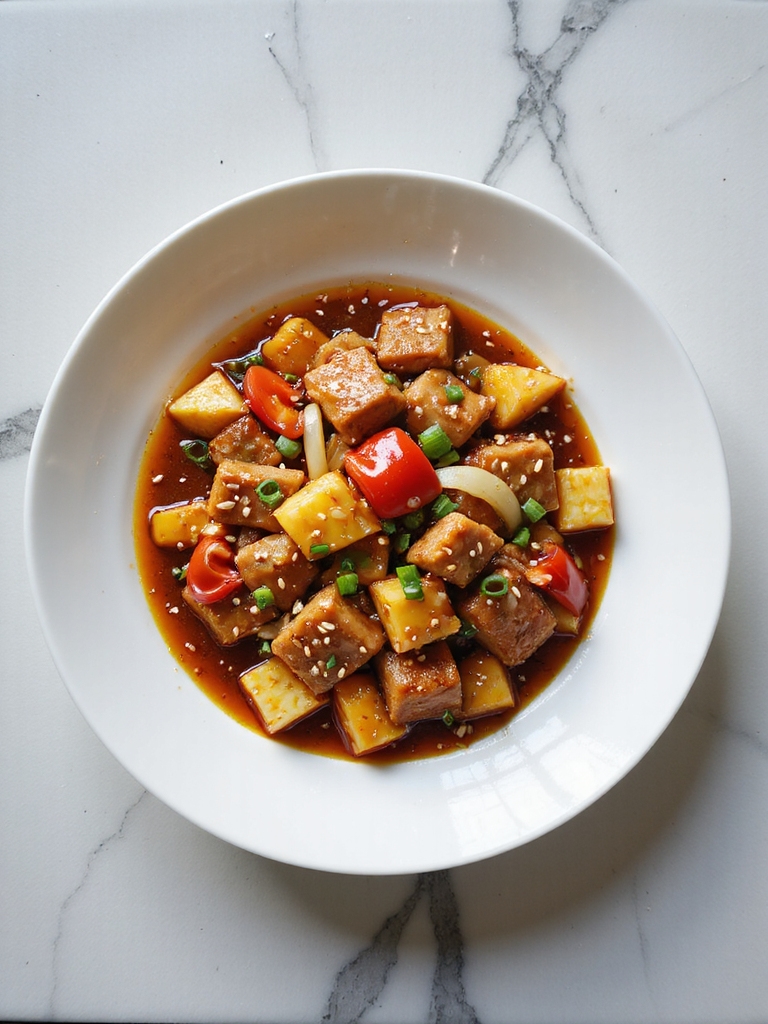
Balancing sweet and sour elements is essential to creating a delightful dish that isn’t overwhelmingly one flavor or the other. Achieving the perfect balance involves careful consideration of the proportion of ingredients like sugar, vinegar, and other acidic components such as pineapple juice or citrus. Adjust these components to your taste preference while keeping the core elements intact for an authentic flavor that hits the sweet and sour notes harmoniously.
Ingredients:
- 300g pork fillet, cubed
- 1/4 cup white sugar
- 1/4 cup white vinegar
- 1/4 cup pineapple juice
- 1 tablespoon soy sauce
- 1 red bell pepper, sliced
- 1 yellow onion, sliced
- 1 tablespoon cornstarch
- 1 tablespoon vegetable oil
- Salt and pepper to taste
In a pan, heat oil over medium heat and cook the pork cubes until browned. Add bell pepper, onion, sugar, vinegar, pineapple juice, and soy sauce; stir in cornstarch dissolved in water to thicken. Simmer everything until the sauce thickens and the vegetables are tender-crisp, seasoning with salt and pepper as needed.
Mastering the Sauce From Scratch
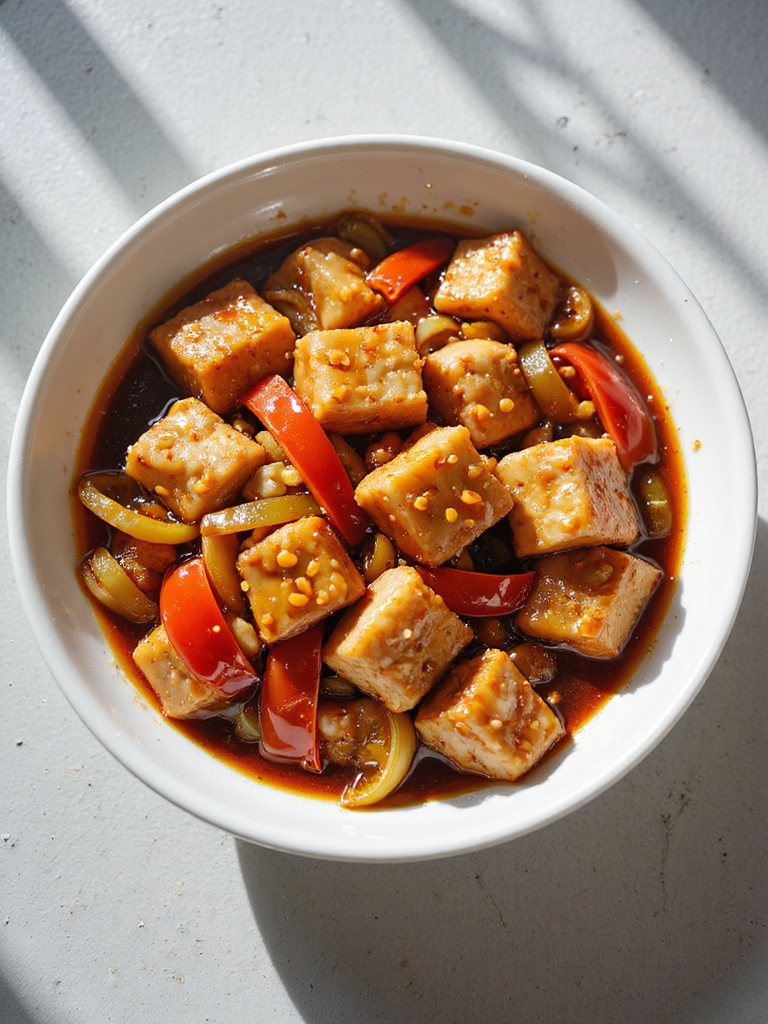
To create an authentic sweet and sour pork sauce from scratch, it’s essential to pay attention to the balance of flavors and textures. The combination of sugar, vinegar, and pineapple juice provides the classic tangy sweetness, while the soy sauce adds depth. The cornstarch is crucial for achieving that glossy, thick consistency, making sure that the sauce clings perfectly to both the pork and vegetables. By mastering this sauce, you’ll be able to enhance your dish’s flavor and presentation, setting a rich foundation for this beloved recipe.
Ingredients:
- 300g pork fillet, cubed
- 1/4 cup white sugar
- 1/4 cup white vinegar
- 1/4 cup pineapple juice
- 1 tablespoon soy sauce
- 1 red bell pepper, sliced
- 1 yellow onion, sliced
- 1 tablespoon cornstarch
- 1 tablespoon vegetable oil
- Salt and pepper to taste
In a pan, heat vegetable oil over medium heat and brown the pork cubes. Add in sliced bell pepper and onion, stirring occasionally until they soften. Mix in sugar, white vinegar, pineapple juice, soy sauce, and cornstarch dissolved in water, simmering until the sauce thickens and coats everything evenly.
When cooking, be certain the oil is hot enough before adding the pork to achieve a good sear, locking in the meat’s juices. Adjust the amount of sugar or vinegar if you desire a more personalized balance, making sure your sauce complements the natural flavors of the pork.
Incorporating Seasonal Vegetables for Freshness
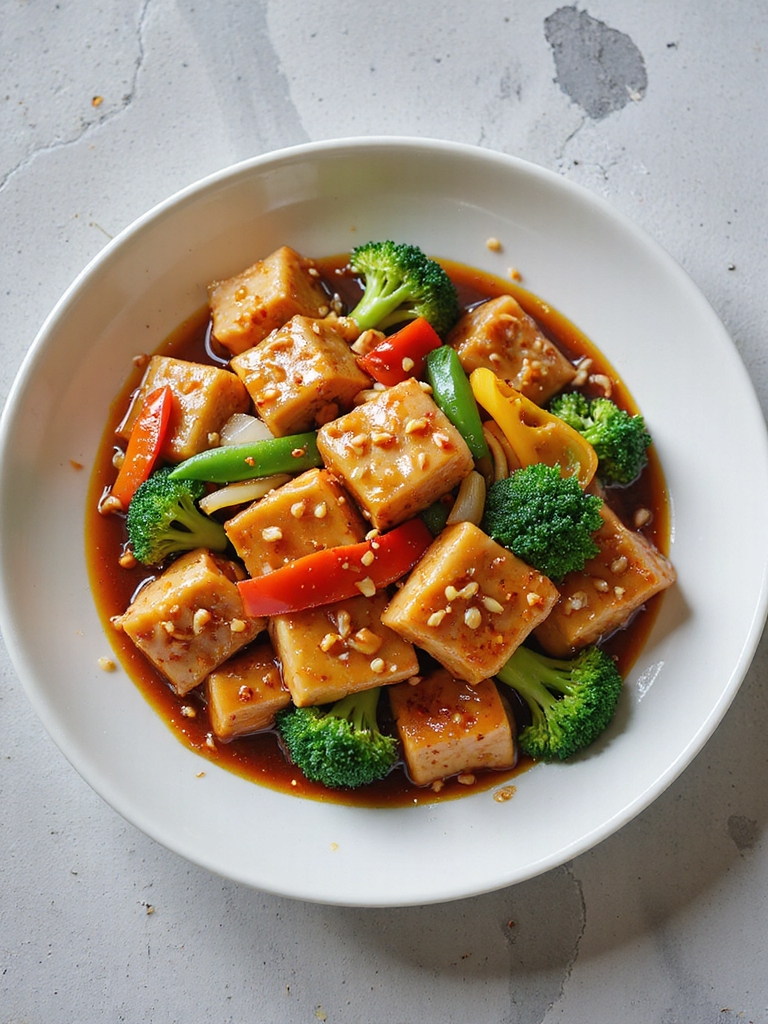
Elevate your sweet and sour pork with the inclusion of fresh, seasonal vegetables, which not only adds vibrancy to the dish but also enhances its nutritional value. Depending on what’s in season, use vegetables like snap peas, broccoli, or zucchini, and aim to strike a balance between crunchy and tender textures that enhance the overall appeal of the dish. Incorporating these veggies will not only diversify the flavors but also keep your dish enticingly colorful, providing a wholesome dining experience. Additionally, incorporating Delicious Mexican Pork Dishes into your repertoire can offer a fantastic twist on traditional recipes that highlight the rich flavors of pork.
Ingredients:
- 300g pork fillet, cubed
- 1 red bell pepper, sliced
- 1 yellow onion, sliced
- 1/4 cup white sugar
- 1/4 cup white vinegar
- 1/4 cup pineapple juice
- 1 tablespoon soy sauce
- 1 tablespoon cornstarch
- 1 tablespoon vegetable oil
- Seasonal vegetables (e.g., snap peas, broccoli, zucchini)
- Salt and pepper to taste
Begin by heating the vegetable oil and browning the pork cubes. Add the sliced bell pepper, onion, and seasonal vegetables, stirring until they soften. Combine sugar, white vinegar, pineapple juice, soy sauce, and cornstarch dissolved in water; simmer until the sauce thickens and clings to all ingredients, guaranteeing a well-coated finish.
Extra tips for this dish: Affirm that the seasonal vegetables are cut into similar sizes for even cooking, and adjust the sweetness or tanginess of the sauce to pair well with the natural flavors of the chosen vegetables.
Exploring Regional Variations
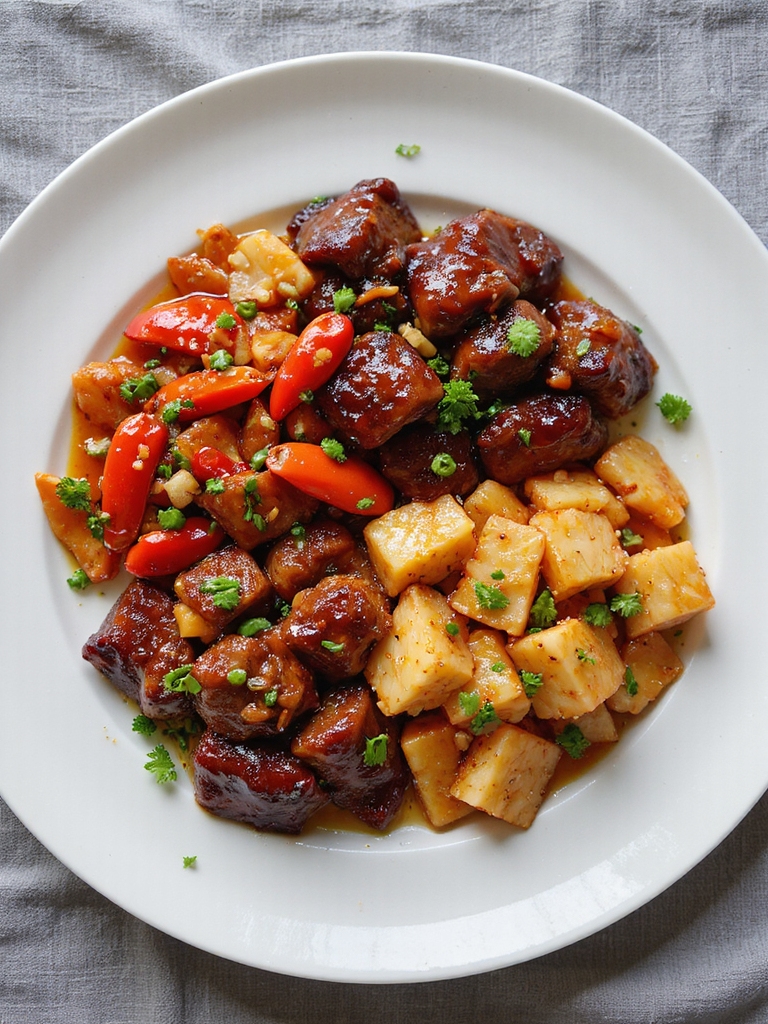
Sweet and sour pork is a dish celebrated in various forms across the globe, with each culture adding their own unique flair to the classic recipe. Exploring regional variations can introduce an exciting diversity to your palate. For instance, the Filipino version known as “Igado” includes liver and a hint of chili for added depth, while the Hawaiian style often features an abundance of pineapple and a touch of ginger. In the Caribbean, you may find it spiced with allspice and perhaps a dash of rum, creating an aromatic twist on the original. Experimenting with these regional variations can keep the beloved classic fresh and exciting while showcasing different cultural nuances. Additionally, the incorporation of delicious Asian-inspired pork dishes offers even more ways to enjoy this versatile ingredient, allowing for endless creativity in the kitchen.
Presentation and Serving Suggestions
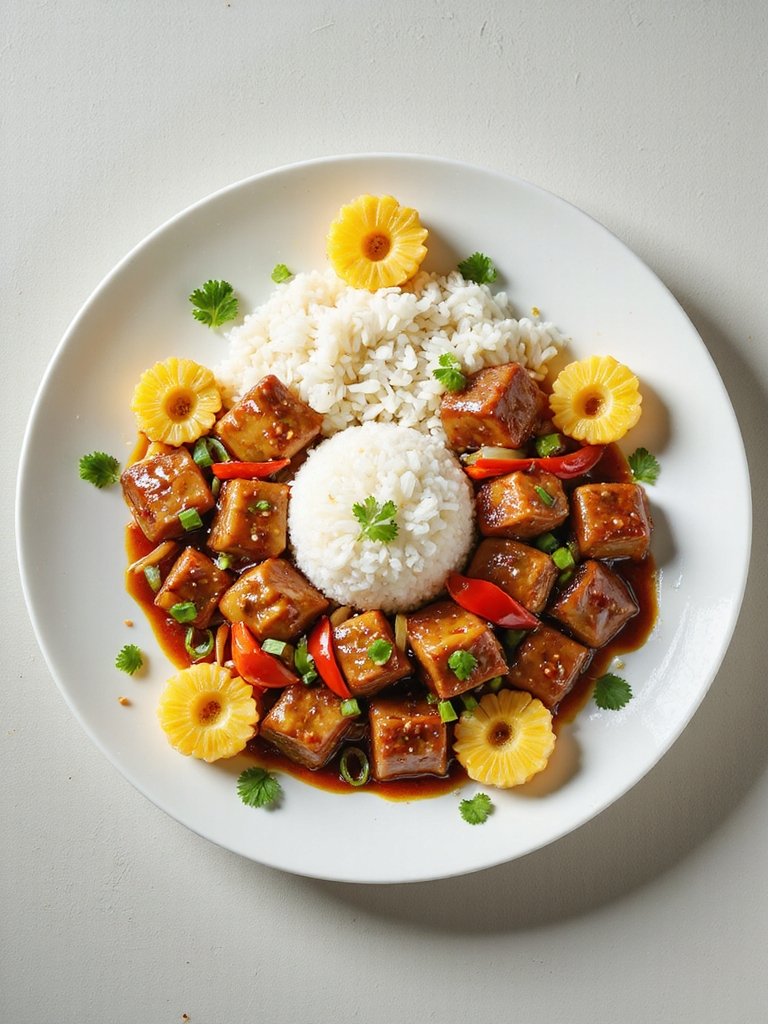
Transform your sweet and sour pork into a feast for the eyes with thoughtful presentation and serving ideas. Arrange the vibrant dish on a light-colored serving platter to make the vivid colors of the bell peppers and pork cubes pop. Garnish with fresh cilantro or green onion slivers for a touch of freshness and color contrast. Serve alongside steamed jasmine rice or lo mein noodles for a more substantial meal. Furthermore, you can add a decorative touch with carved pineapple or bell pepper flowers for an extra wow factor. Adding seasonal fruits like carved pineapple not only enhances presentation but also elevates the flavor profile of the dish.
Ingredients:
- 300g pork fillet, cubed
- 1 red bell pepper, sliced
- 1 yellow onion, sliced
- 1/4 cup white sugar
- 1/4 cup white vinegar
- 1/4 cup pineapple juice
- 1 tablespoon soy sauce
- 1 tablespoon cornstarch
- 1 tablespoon vegetable oil
- Fresh cilantro or green onion for garnish
Heat the oil in a skillet, brown the pork, and add bell pepper and onion, softening together. Mix sugar, vinegar, pineapple juice, soy sauce, and cornstarch dissolved in water, simmer until thickened, coating the ingredients. Arrange on a platter, garnish with herbs, and pair with jasmine rice or lo mein noodles.
Ensure the pork is evenly browned for maximum flavor, and balance the sauce’s sweetness and tartness to your preference for a delightful taste experience.
Pairing the Perfect Side Dishes
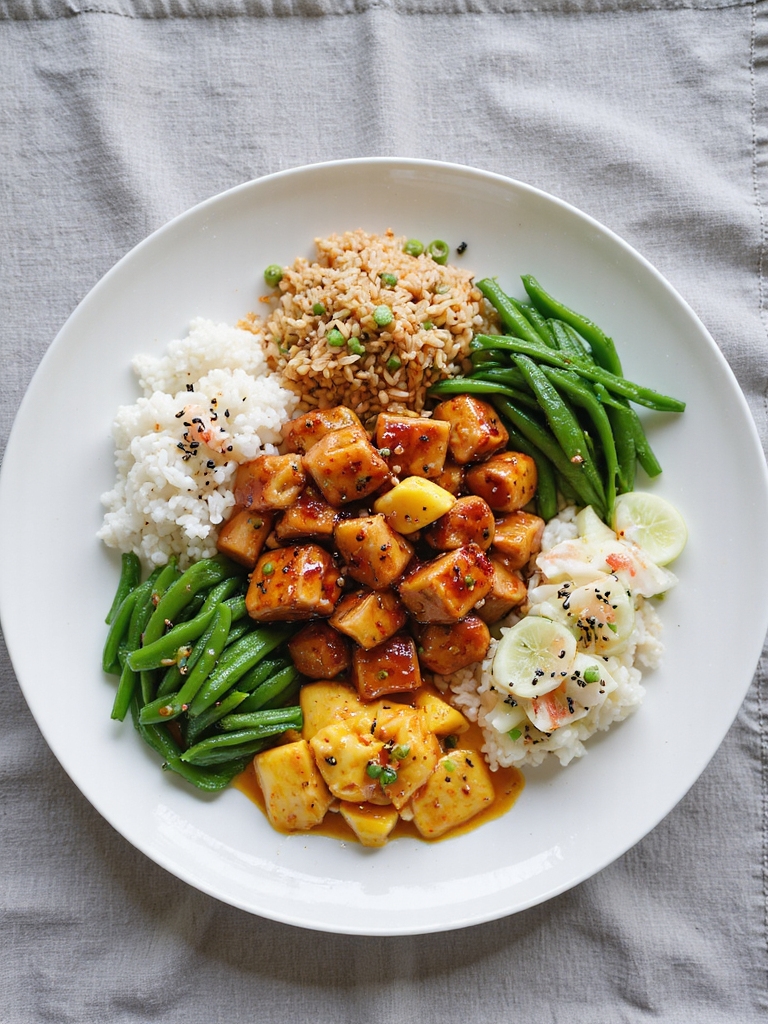
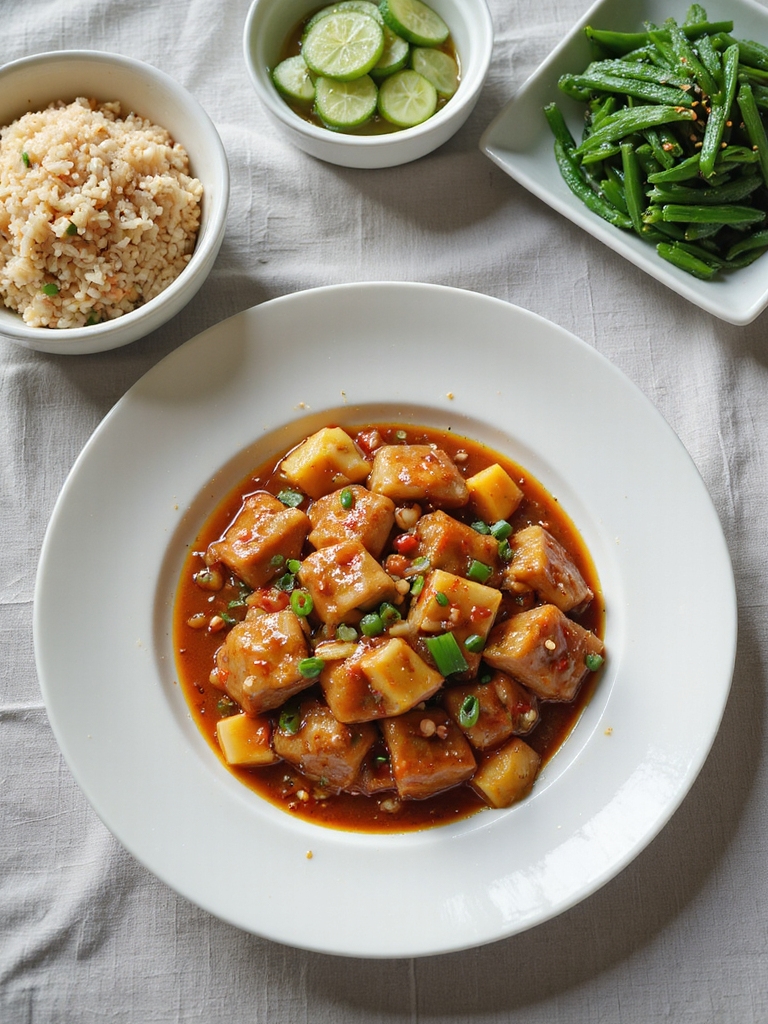
To enhance your sweet and sour pork, it’s crucial to select side dishes that complement its vibrant flavors. Consider serving it with classic Asian-inspired sides like savory egg fried rice, stir-fried green beans, or a simple cucumber salad with sesame dressing. These options balance the sweet, tangy flavors and provide textural variety to the meal, making it a delightful dining experience.
Ingredients:
- 2 cups jasmine rice
- 2 eggs, beaten
- 1 tablespoon soy sauce
- 1 cup green beans, trimmed
- 1 tablespoon sesame oil
- 1 cucumber, sliced
- 1 tablespoon rice vinegar
- Sesame seeds for garnish
Cook jasmine rice, then stir-fry beaten eggs in a separate pan, adding rice and soy sauce to create egg fried rice. In another skillet, quickly stir-fry green beans in sesame oil until tender. Toss cucumber slices with rice vinegar for a quick salad. Serve all side dishes together, garnished with sesame seeds, offering a balanced meal.
When preparing side dishes, maintain vibrant colors and crisp textures by not overcooking vegetables. Furthermore, slightly under-season the sides, allowing the sweet and sour flavors of the pork to remain the star.